
You’ve never understood why dogs and cats fight – but it doesn’t matter. You’ve always tried to avoid that kerfuffle by choosing one over the other. But listen up: The age-old debate about dogs versus cats can finally end. No one has to watch and become agitated by fighting cats and dogs in their household anymore – as long as one is aware of the breeds that best intermingle with cats. Dog people and cat people can now live in peace thanks to these adorable dogs that get along with cats. Whether “get along with” means simply tolerating their presence or actually playing and snuggling together, the relationship will vary from one individual to the next. That being said, a dog’s breed doesn’t necessarily define whether they’ll do well with a kitty, but these six breeds are known for being especially friendly and tolerant.
Whether you have a one-cat, one-dog home or a farm full of fur and feathers, the addition of a feline-friendly dog will bring so much fun and joy into your home. When your pets get along, there’s so much less to stress about. No more cleaning up after bored pets or supervising tense playtime — it’s all purrs and snuggles from here. These are six of the best dog breeds for homes with cats.
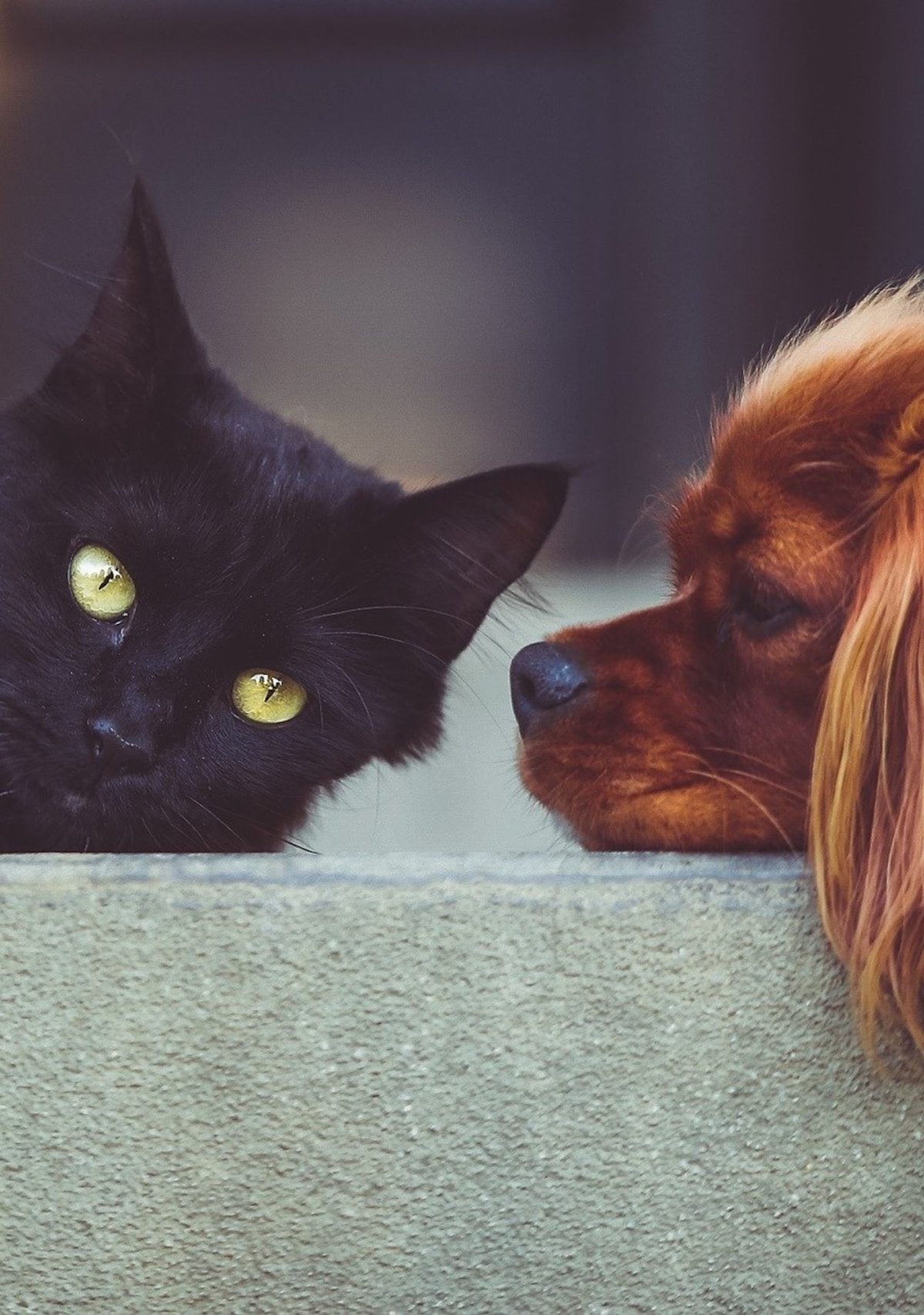
Toy dogs that do well with cats
If your feline needs a friend, a dog in the toy group will make a loving companion. Since they’re roughly the size of a cat, the two will be able to play together without intimidating each other — a dream come true!
Pug
These Tootsie Rolls can hold their own against a sassy cat, which makes them an ideal playmate. Your cat won’t be able to push them around as they would more timid breeds, and your pug will enjoy having company to keep her occupied while you’re busy. Their curious nature makes them wonderful companions for friendly kitties, as long as they don’t get into too much trouble together!
Cavalier King Charles Spaniel
These adorable lapdogs will cuddle with anyone, including their new feline roommate. Their sweet demeanor makes them patient playmates for a cat, though they’ll pair best with a kitty who’s just as gentle. If not, Cavs are forgiving but consistent at standing their ground, so your feisty feline will get the idea to play nice sooner or later. Plus, how cute are these cat-sized cuddle bugs?
Sporting dogs that do well with cats
Even larger, more energetic dogs have the potential to get along well with cats. They may make better playmates than snuggle buddies, but your pets will all be entertained nonetheless. Get ready for fun!
Labrador retriever
These mild-mannered pups are America’s most popular dog breed, according to the American Kennel Club. They’re known and loved for their sweet, athletic personalities that mesh well with many homes. This also makes them great friends for a cat, whether they’re lazy, curious, or downright crazy. Labs are also wonderful with training, so you know you’ll be in control when your cat and dog meet.
Irish setter
Many pet parents find Irish setters to be a lovable balance between dignified and rambunctious. They’ll go all-in during playtime, but they’ll be happy with some time to chill by themselves as well. Although they have a prey-hunting background, they’re generally friendly toward cats and small children because of their middle-of-the-line energy levels.
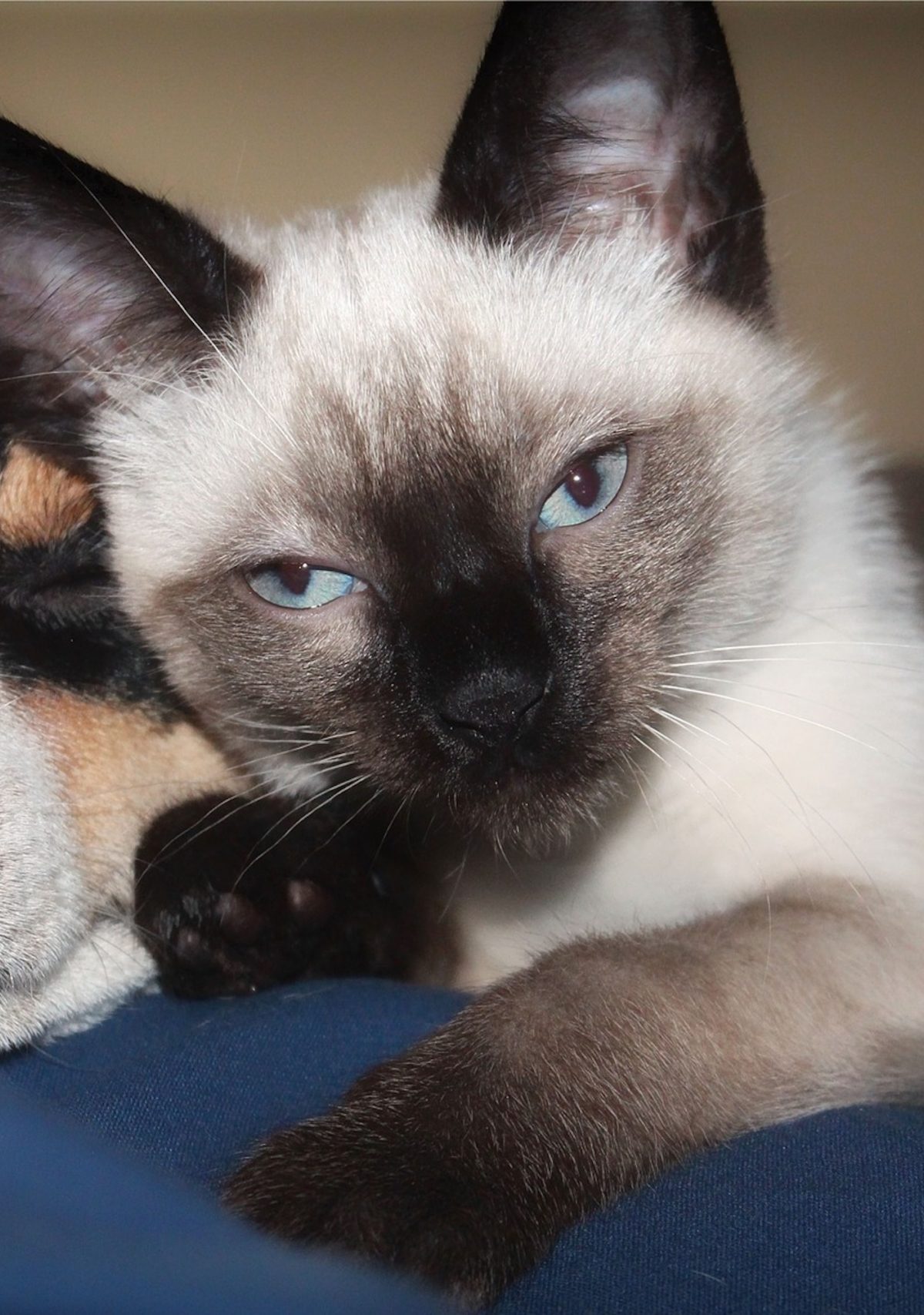
Herding dogs that do well with cats
A common misconception is that herding dogs won’t get along with other, smaller pets, but this may not be true. Each individual in this group is different, and many are actually curious about and even friendly with kitties. Here are two of the most amiable herding dogs for homes with cats.
Corgi
These short and stout pups are superfriendly, which is just one reason why they’re so popular as pets. They’re alert, outgoing, and active, which many cats will find approachable. Because corgis need more stimulation than most dogs (via Purely Pets), a feline companion will help them stay calm and contained.
Collie
Although collies are known for their love of kids, the same can often be said for cats. These affectionate dogs are tolerant and friendly, which makes them eager for the companionship of any species. Because they’re so sensitive, collies are also easy to train and control, so you know both of your beloved pets can play safely.
Whatever breed of dog fits best in your life, introducing your pet to her new sibling is sure to be a treat. Reactions will vary from individual to individual, of course, but with the dogs on this list, you’re well on your way to a happy and harmonious home. Training for both the cat and dog will make the process easier, but be patient with your pets if they don’t quite get it at first. Meeting someone new is a huge change, after all! Once they’re both settled, your pets will let you know when they’re comfortable. If you’re lucky, they’ll be napping and playing together like the best of friends before you know it.


