
Did you know ferrets were domesticated around 2,500 years ago? These adorable creatures were used for hunting rodents and rabbits, but nowadays, you’re more likely to find a ferret hunting for a tasty treat than scurrying down a rabbit hole. Part of the weasel family known as Mustelidae, modern-day ferrets probably descends from the European polecat.
Ferrets are friendly, curious, and extremely clever. Because they’re small, you might think they don’t need as much care as cats or dogs. In Ferrets 101, you’ll learn that they can be a ton of work. (But they’re always worth it.) If you’ve been looking for a ferret care guide, you’re in the right place.
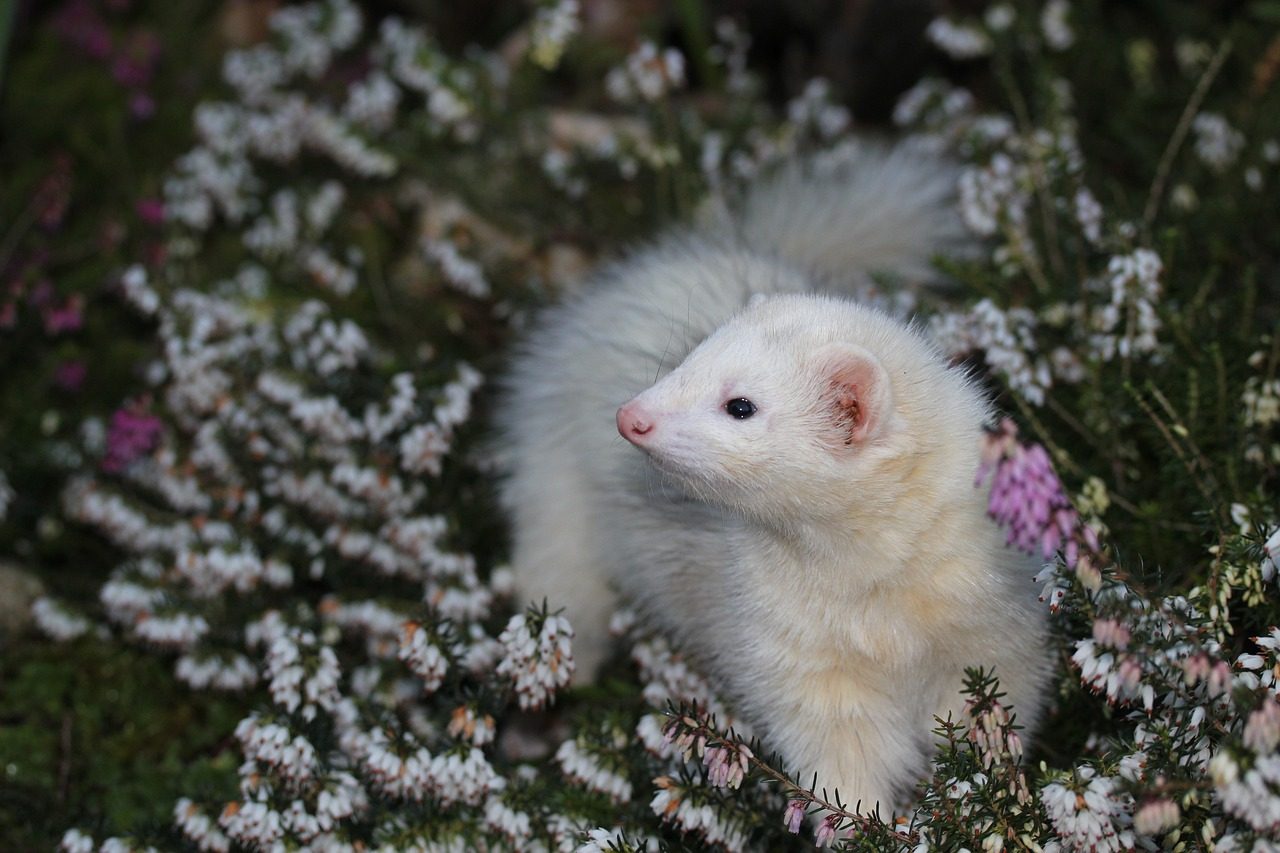
What you should know before you adopt a ferret
Ferrets do best with a companion. If you’re considering adopting one of these sweet creatures, you might want to adopt a friend for them. A word of caution: If you have small children at home, please wait until they’re older than five before adopting a ferret. Ferrets are delicate, and they can easily be injured by younger children who lack the coordination necessary to handle them with care.
Another important thing to know about ferrets? They’re toothy. Ferrets have thick skin, so they can bite each other without causing any harm. Humans, on the other hand, can find themselves in a world of hurt if they don’t properly train their ferret not to bite. They’re most likely to bite if they feel frightened, but the vast majority of ferrets tend to stop biting once they warm up to their owners.
Ferret temperament
Ferrets are most active at dawn and dusk, and they sleep anywhere from 18 to 20 hours a day. When they’re awake, they’re wide awake and ready to play. Ferrets love to run around, and they’ll play with anything and everything within reach. If your ferret bares her teeth, don’t worry. She doesn’t want to bite you; she’s actually inviting you to join in on the fun.
How to house a ferret
Your ferret cage needs to be at least 24 by 24 by 18 inches and have plenty of ventilation. The name “ferret” comes from the Latin furittus, which means “little thief.” Natural escape artists, ferrets need to be housed in cages that lock securely and don’t have any potential escape routes. We recommend wire cages; cages with wooden floors will become soaked in urine and stink up the entire house.
Ferrets shouldn’t spend all their time in their cage. They need a few hours of playtime with their owner each day, but you’ll need to ferret-proof your house. Make sure these curious critters can’t wriggle behind appliances like refrigerators, ovens, dishwashers, or your washer and dryer. You’ll also need to ensure they can’t get their little paws — and mouths — on anything made of foam or rubber. A ferret will eat your dog’s squeaky toy in a heartbeat, which could result in a gastrointestinal obstruction.
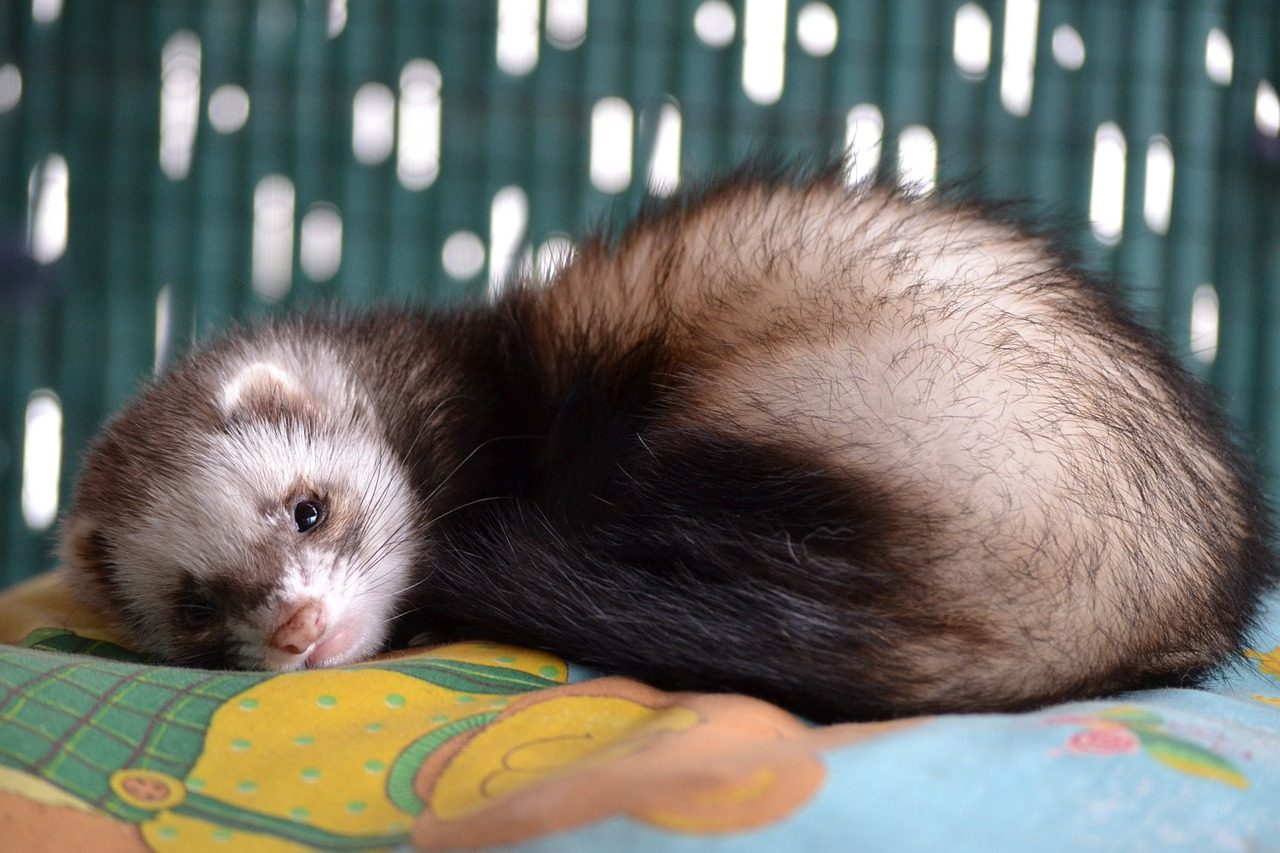
What to put in the cage with your ferret
Because ferrets are naturally playful, they’ll probably tip over their food and water bowls at some point. We recommend lining their cage with old towels, blankets, or castoff clothes. Not only does recycling old clothes and towels create a warm and cozy environment for your ferret, but soft bedding also absorbs spilled water and prevents it from soaking your floor. You also could look for food and water bowls that attach to the side of their cage.
You’ll also want to provide your ferret with toys. Cardboard boxes, hard plastic toys they can’t chew through, and PVC pipes are all wonderful options that will keep your ferret entertained for hours on end.
Did you know ferrets can be trained to use a litter box? Keep an eye on your ferret to learn where she urinates and defecates most often, and then place a litter box in her favorite corner.
What do ferrets eat?
Like cats, ferrets are carnivores. They need a high-protein diet to stay healthy, so you should feed your ferret a diet of dry ferret food — nutrient-rich cat food will work in a pinch. Carb-laden foods are almost impossible for ferrets to digest. The same goes for dairy and sweet foods like fruit. You can give your ferret treats, but they also should be protein-based. Eggs, meats, and meat-based cat or dog treats are also acceptable. Just make sure to read the ingredients list first.
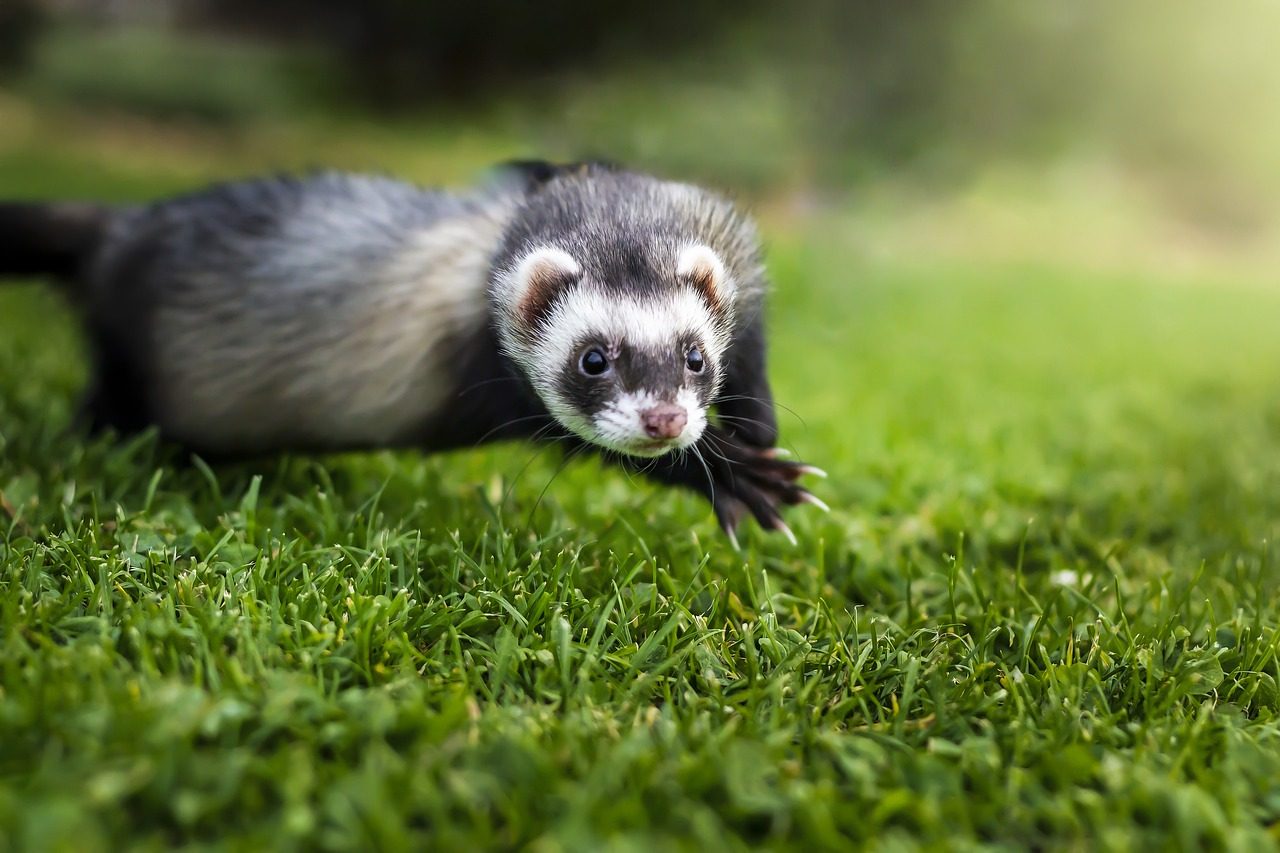
Keeping your ferret healthy
The average life span for ferrets is five to eight years, and you want those years to be healthy. Surprisingly, ferrets can catch the flu from humans. It doesn’t happen often, but you may want to consider wearing a face mask around your ferret if you think you have the flu. They’re also susceptible to heart problems, intestinal blockages, and cancer. Many ferrets develop cancer early in life, so yearly screenings are essential. Lastly, ferrets are extremely sensitive to temperatures, so it’s important to keep the temperature below 75 degrees to prevent heatstroke.
Ferrets are sociable, playful creatures. Contrary to popular belief, they can form close bonds with their owners. They’ve even been known to display protective behavior around their family. If you’re looking for a quirky, entertaining pet — and you’re willing to put in the effort — ferrets make a wonderful addition to the family. Make sure they get annual checkups and cancer screenings, provide them with plenty of food and fun, and you’ll have a loyal, affectionate friend.