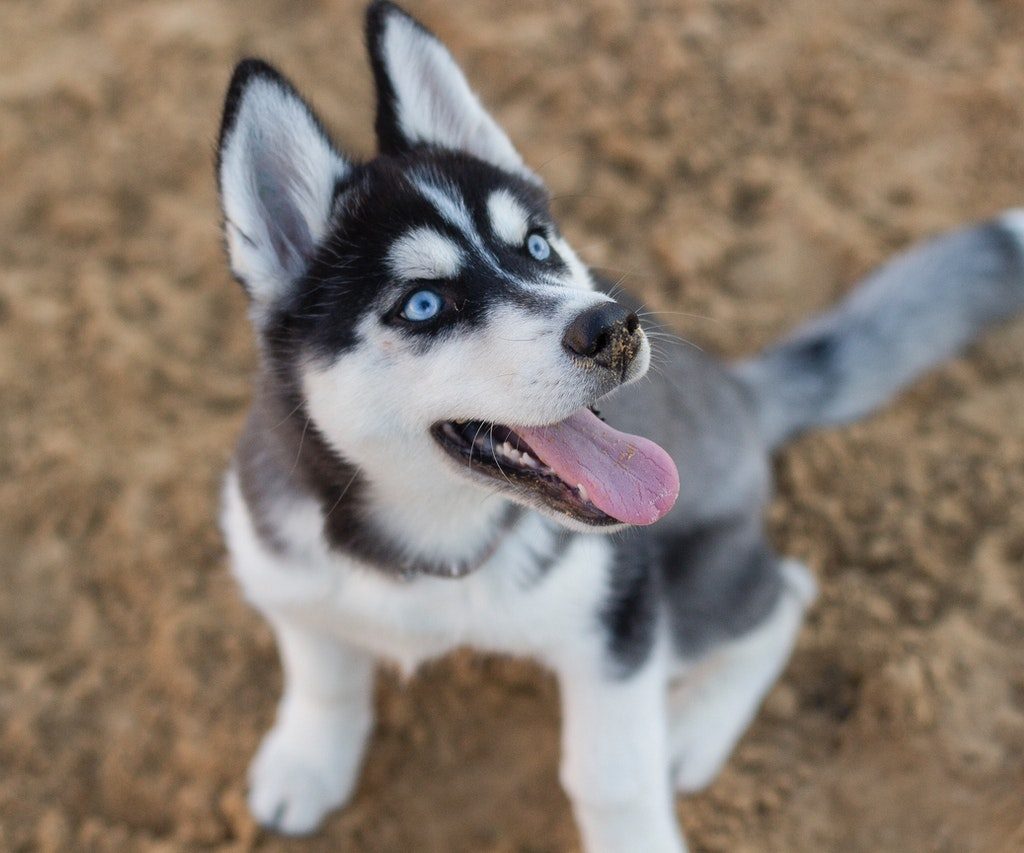
With their luxurious coats and striking blue eyes, huskies are an immediately recognizable breed. Given their size and stubborn personalities, many prospective husky parents wonder, “Are huskies aggressive?” According to the American Kennel Club (AKC) breed standard, “The characteristic temperament of the Siberian husky is friendly and gentle […] he does not display the possessive qualities of the guard dog, nor is he overly suspicious of strangers or aggressive with other dogs.”
That being said, just because the AKC breed standard claims huskies aren’t an aggressive breed doesn’t mean they can’t become aggressive in certain circumstances. We’ll go over the different types of aggression in dogs, how to deal with your pup if he becomes aggressive, and — most importantly — we’ll walk you through the warning signs of aggression, so you can nip it in the bud before it starts.
Do huskies bite?
While huskies aren’t considered an aggressive breed, biting can happen in instances where people, in particular, children, cross a line and do not respect the dog’s boundaries, according to Spirit Dog Training. Children need to be taught from an early age about the proper way to approach dogs and interact with them.
Different types of aggression
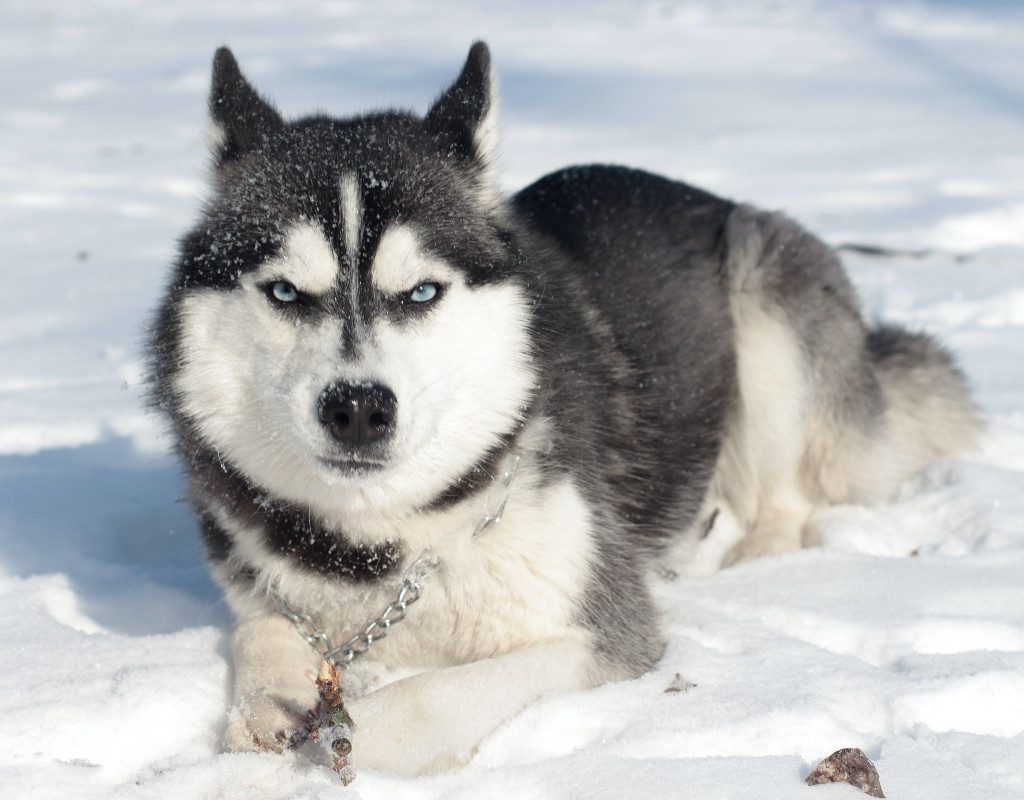
Because there are different types of aggression, any dog of any breed can become aggressive. Dominant aggression, predatory aggression, and territorial aggression are the most commonly seen forms of aggression in dogs.
While dogs may exhibit only one form of aggression at a time, they also can respond with more than one type simultaneously. Recognizing the signs of each form of aggression in your husky is vital in correcting their behavior. Let’s look closer at the different forms of aggression in dogs.
Dominant aggression
Dominant aggression occurs when dogs seek to control their environment, including the people and other animals in it. Common signs of dominant aggression include mounting people and other animals, refusal to obey commands, and more aggressive displays such as growling, snapping, and biting. Dogs who feel they have power over humans and other animals will exert their influence to retain a sense of control.
Early signs of dominant aggression often reveal themselves when your dog is a puppy. Don’t excuse his behavior if he snaps or snarls when you reach for his food bowl or favorite toy. Correcting this behavior at a young age prevents it from worsening as your dog gets older. Signs to look for include rigid posture, growling, a fixed and unblinking stare, an erect tail, and looming over other animals.
Correcting dominant aggression requires you to serve as pack alpha. Don’t give your dog the opportunity to exert control over you. Speak firmly but without aggression in your tone. A muzzle helps minimize the risk of biting, and professional help from obedience training may be necessary.
Predatory aggression
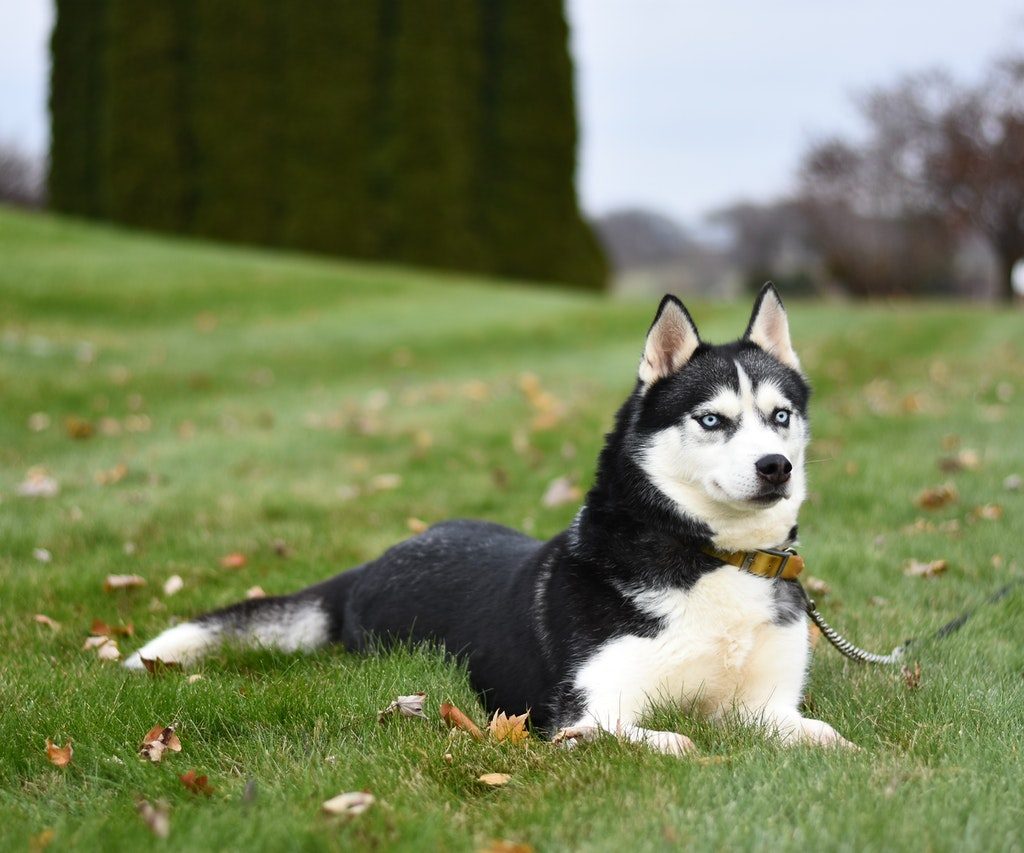
Unfortunately, predatory aggression is a common issue for many working dogs. Because they have a strong prey drive, huskies may see smaller animals — including small children — moving as a source of prey. For that reason, we recommend keeping your husky in your direct line of sight around children and other animals. If you have cats, small dogs, or young children, a husky might not be the best breed for you.
Signs to look for include a fixed, direct stare, excessive lip licking, the body tensing in preparation to lunge, and an erect tail. If your dog charges into a group of animals, children, or even adults, this is a clear sign he is responding to his instinctive prey drive. This behavior must be curbed immediately so your dog learns you won’t tolerate these actions.
Because the prey drive is instinctive, training your husky not to engage in aggressive behavior requires firm handling and consistency. Each member of your family must be strict with your dog. In most cases, a sharp “no” will suffice, but you may need the help of a professional dog behaviorist if the behavior continues.
Territorial aggression
Many dogs are fiercely protective of what they view as their property, which includes their home, their yard, and their family. While some dogs are welcoming toward guests, others react aggressively to a perceived invasion of their personal space. The behavior of territorial aggression often resembles that of dominant aggression and can include snarling, snapping, and biting.
Convincing your dog that you are in charge of the home is important here, as dogs are less inclined to become territorial when they view their space as your territory rather than theirs. Because dogs respond to nonverbal cues, they will sense it if you feel anxious or fearful of strangers.
You should display calm leadership when interacting with strangers around your dog. Allow strangers to pet or walk with your husky at a dog park, so he’s accustomed to strangers. Introducing your dog to the mail carrier or delivery driver is a fantastic way to teach your dog that he doesn’t need to protect your home from every stranger he sees.
Closing thoughts on Siberian huskies
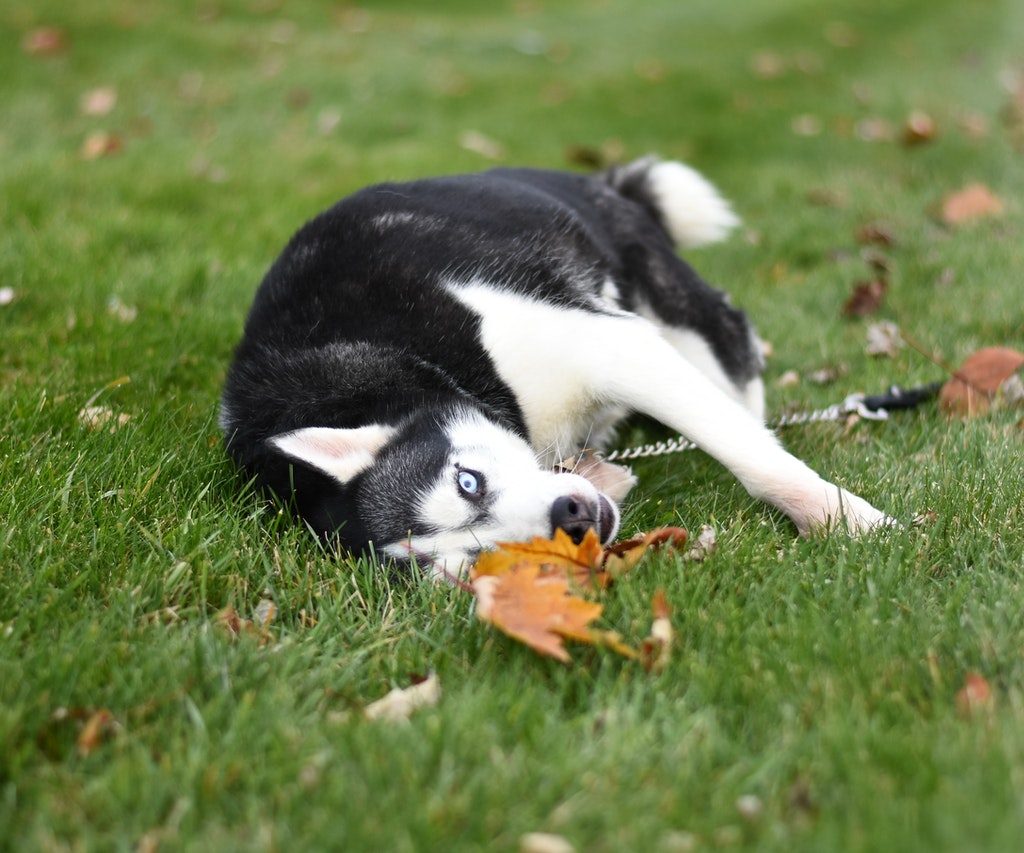
Huskies are fiercely loyal, intelligent, and affectionate dogs. As a general rule, huskies aren’t prone to aggression. However, aggressive behaviors are possible in all dogs, and these behaviors need to be corrected at the first sign of exerting dominance, becoming territorial, or tracking prey. Remain firm with your dog, correct his behavior each time it occurs, and don’t be afraid to seek professional help if you need it.
Aggressive dogs aren’t bad dogs; they’re dogs in need of proper training. As their owner, you can provide it.