Is there anything more magical than a space filled with plants? Not only does it look stunning, but bringing a touch of nature indoors also can help purify your air and even boost your mood. Unfortunately, many of our favorite plants are unsafe for dogs. If ingested, some plants may cause seizures, digestive issues, or even have potentially fatal consequences. No matter how well you’ve trained your dog, decorating with toxic plants isn’t worth the risk. We’re here to help you find six indoor plants safe for dogs, so you can have the greenery you want without putting your fur baby at risk.
Dog-friendly indoor plants
Decorating with plants and flowers can be more trouble than it’s worth when you have an inquisitive pup. Here are six gorgeous plants that will beautify your home without harming your dog.
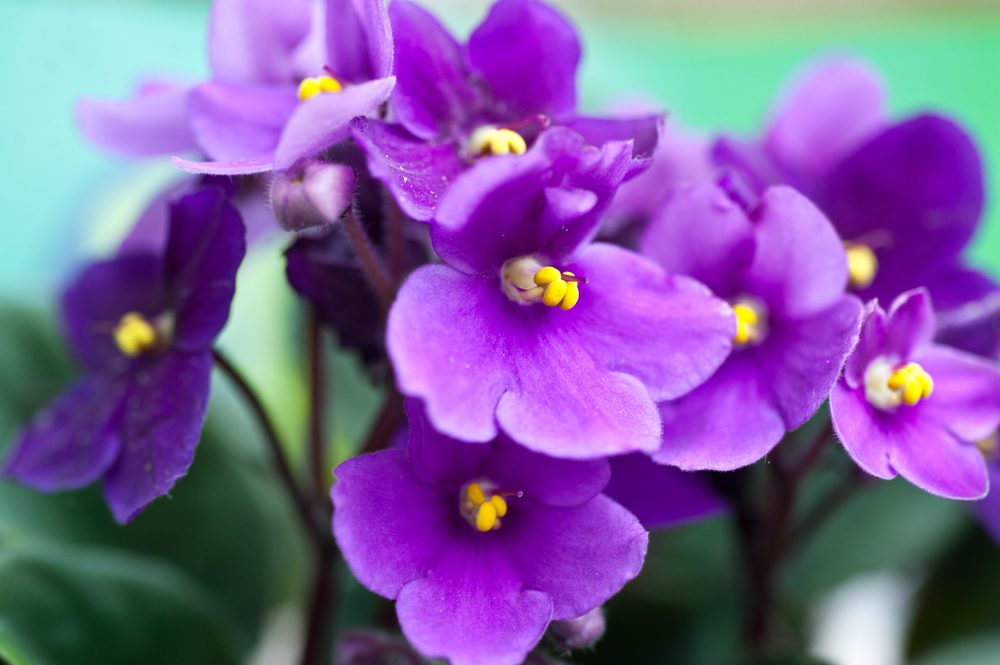
1. African violet
If bringing in a touch of color is your goal, consider African violets, also called cape marigolds, which produce stunning purple blooms. Plant-specific soil is available for African violets, or you can make your own with a mixture of equal parts peat moss, perlite, and vermiculite. Take precautions when you water your African violets. Even one splash of water on the foliage can cause spotting. It’s also best to use lukewarm water you’ve left standing for at least 48 hours. African violets require bright to medium light levels from a south- or west-facing window to properly develop their gorgeous flowers.
2. Bromeliad
Characterized by thick, unique foliage that naturally grows in the shape of a rosette, bromeliads are one of the most interesting plants you can introduce in a space. They flower at the end of their life, producing a variety of blooms in several colors and shapes. When housed indoors, bromeliads need medium to bright light. They tend to grow best in shallow pots, and you can pot them in orchid mix or a combination of bark, sphagnum moss, and organic additives. If you hate dealing with fussy plants, you’ll love how little care bromeliads need. During the growing season, they require a monthly boost of half-strength fertilizer. Watering your bromeliad is equally easy. Pour in a cup of lukewarm water once every week or two, depending on how quickly your plant absorbs it.
3. Calathea orbifolia
With verdant green leaves accented by silver stripes, the Calathea orbifolia makes an exquisite accessory in any home. They require medium light, high humidity, and soil that drains well. A mixture of two parts peat and one part perlite is considered ideal for these plants. It’s vitally important to keep the soil housing your Calathea orbifolia from drying out or growing too wet. Add in fertilizer monthly at half-strength during the growing season to help your plant thrive. If you live in an arid climate, Calathea orbifolia may not be the best plant for you, as they grow best in a tropical climate.
4. Date palm
Planted in your backyard, date palms can reach a massive height of 75 feet. Fortunately, pygmy date palms are the perfect size for any indoor space. They require bright light, so you may want to add a few grow lights if your space is dim. Date palms grow best when their soil is slightly drier, as they’re highly sensitive to overwatering. A peat-based, well-draining soil is a must if you want to prevent root rot. As long as you have adequate lighting, date palms are ideal for anyone who forgets to water their plant occasionally.
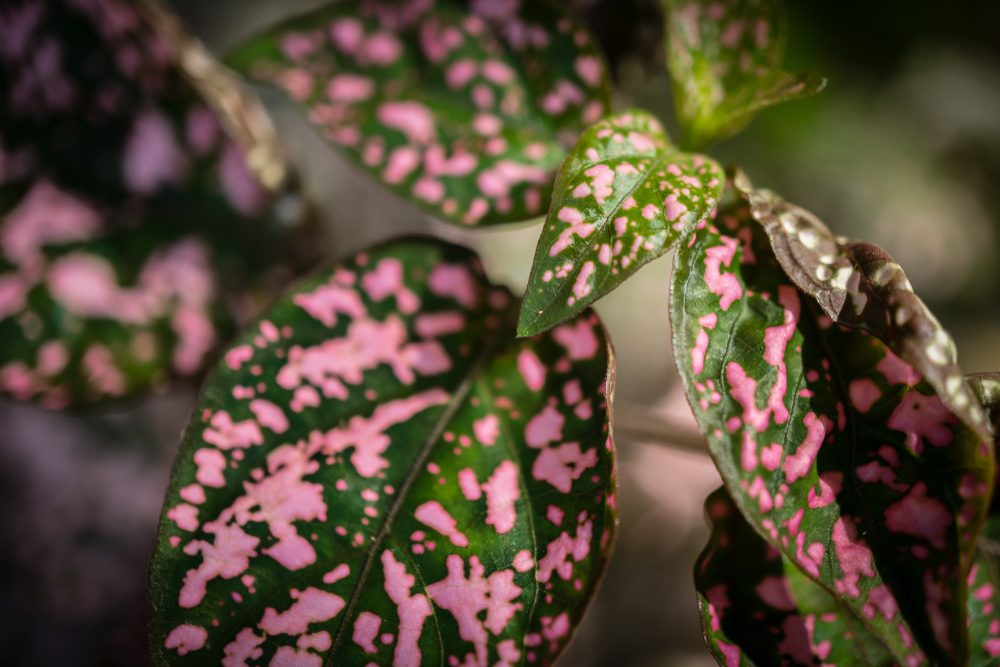
5. Polka dot plant
For color lovers who want a plant that grows easily, these low-maintenance head turners are available in a variety of incredible color combinations. Their trademark polka-dot patterns come in green and white, green and red, pink and green, and pink and white. They require bright, indirect light to maintain their vibrant color; if you keep your plant in dim or direct light, you’ll lose those punchy colors. A well-draining, organic potting soil is best for polka dot plants, which require monthly fertilization and regular watering when the first ½ inch of soil is dry.
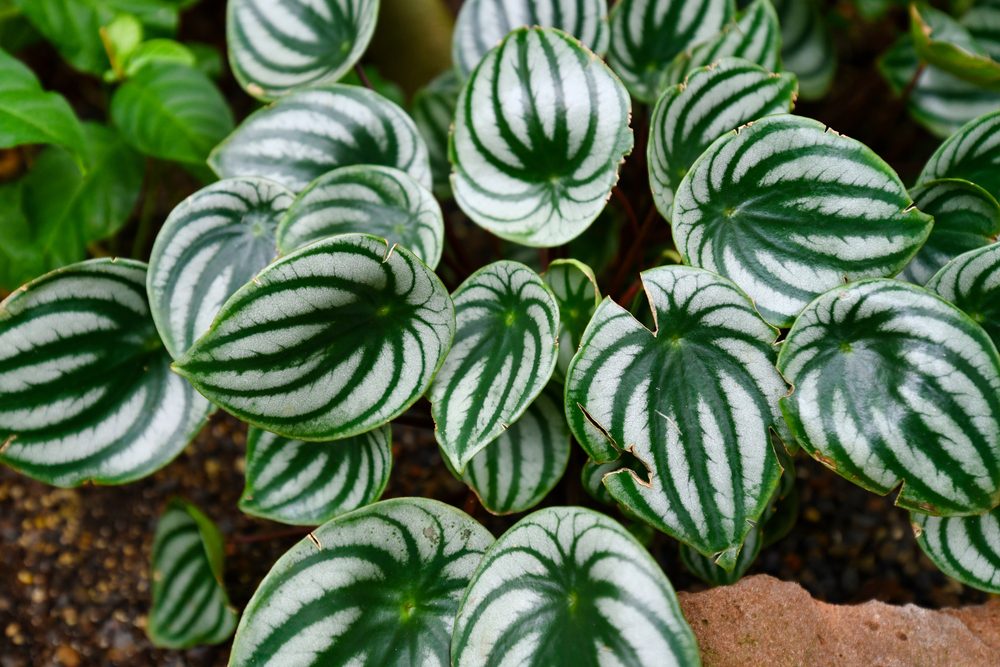
6. Watermelon peperomia
If you love the look of succulents but want something a bit more hands-on, watermelon peperomia is your best bet. They look like succulents with large, pink-tinged leaves, but they need a little more water — replenish their water when the first 2 inches of soil dry out — and more humidity than most succulents. They’re almost effortless to care for, as they can go longer between watering than most houseplants. Furthermore, they grow best in low to bright indirect light, and they need monthly fertilization at half-strength during spring and summer.
Combining your love for plants and pets can be tricky. Please remember the dangers of keeping toxic plants anywhere in your home. Just because you think a plant is inaccessible doesn’t mean your persistent pooch won’t find a way to knock it down. When in doubt, consult the ASPCA’s guide to toxic and nontoxic plants before making any purchases at your local garden center. Choose wisely, and you’ll be able to have the plant-filled space of your dreams.