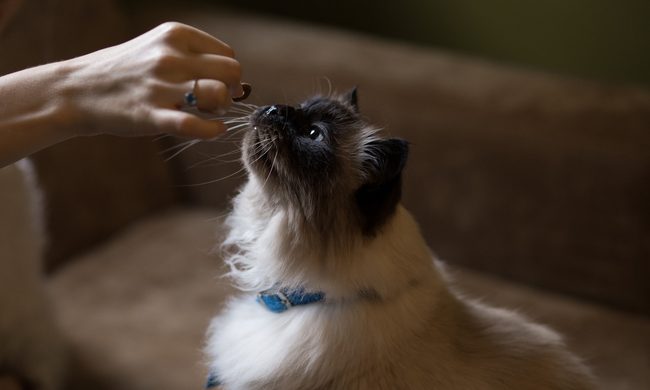
You added a new puppy to the family and everyone was excited when the fur baby first arrived. But as the days turn into weeks, you may find yourself sleep-deprived and stressed. All those potty breaks, accidents around the house, chewing, and the constant barking and whining for attention are getting you down. Referred to as the “puppy blues,” this is a common reaction especially with new puppy parents struggling to adjust to the loss of sleep. It closely resembles the “baby blues” experienced by new parents in the days and months after bringing home a newborn baby. Let’s take a look at how puppy owners losing sleep is similar to having a newborn baby.
Similarities between raising newborns and puppies
Many pet parents wonder if puppies are like newborns in terms of their needs. There are, in fact, many similarities between the two.
Loss of sleep
A recent study by Time4Sleep, a UK-based supplier of beds and mattresses, revealed that new puppy parents lose, on average, the same amount of sleep as parents of newborn babies — at least in the early stages. For two weeks researchers analyzed the sleep of new puppy owners alongside that of new parents of a 3-week-old baby. The study found that:
- Both puppy and newborn parents lost an average of three hours of sleep per night throughout the study.
- Thirty-five percent of puppy parents and 46 percent of newborn parents reported losing up to six hours of sleep per night.
- Both sets of parents woke up 35 times during the night over the two weeks.
While the results show a similarity with sleep deprivation over the first two weeks, there’s more hope for pet parents when it comes to returning to normal sleep patterns. According to the study, “pawrents” are likely to lose a total of 42 hours of sleep over the predicted 14 nights it takes to settle a puppy into sleep training. Newborn parents, however, are likely to continue losing three hours of sleep per night for up to three months at least, which could add up to a whopping 273 hours of sleep loss in those early months.

Puppies and babies have similar sleep requirements
In an Apartment Therapy article, dog behaviorist Steven Havers said that just like babies, puppies enjoy a quiet, relaxing approach to bedtime. A warm bed and cozy blankets can help your puppy get a good night’s sleep. Also, similar to babies, puppies shouldn’t be overstimulated before bedtime and can be soothed to sleep with soft music. According to Katherine Tolford in an article published in PetMD, “playing classical music before and during bedtime can help alleviate whining and anxiety as well as drown out other noise or unfamiliar sounds that may upset or rouse your puppy.”
Cleaning up poop is part of life
Puppies and babies don’t have control over their bladders and bowels, which means lots of poop and pee clean-up. Keeping your puppy on a schedule and being consistent is key to successful potty training according to training experts. Here are some tips from American Humane:
- Always feed by schedule rather than free feeding. Remember that eating all day means pooping all day.
- Accidents will happen during potty training. Use an enzymatic cleaner, such as Nature’s Miracle or Simple Solution, to clean soiled areas of the home and help to prevent repeat accidents.
- Pick up indoor accidents and bring them to the outside potty area to encourage your puppy to do her business outside. Always reward your dog for getting it right.
- If you’re finding constant accidents inside, you’re not supervising closely enough.
Your supervision is required constantly
Both puppies and babies require constant time and attention. In addition to puppy-proofing the house, you’ll need to constantly supervise your puppy during the potty training and chewing stages of her life. Trainers advise tethering a puppy to you when moving around the house and confining her to a crate or enclosure when you can’t supervise her.
Spending quality time is important
Just like babies, puppies need to spend quality time with their guardians. Some breeds require more attention than others, but in general, experts say you should plan to spend at least two to three hours a day interacting with your puppy. This includes training and play sessions and socializing your youngster with other dogs and people. Despite your time and attention, some puppies may bark and whine when left alone. This can be frustrating, especially if you can’t figure out what’s wrong. If all of her other needs have been met and she’s been taken out on scheduled potty breaks, chances are good that she’s just looking for attention. According to training experts, the best way to discourage this behavior is to ignore it. Your puppy will soon get tired and settle down for a nap.

The bottom line
According to trainer and veterinarian Carolyn Lincoln, adapting to a new daily schedule is challenging for adults whether raising a puppy or a baby. People think that 5:30 a.m. is the middle of the night, but puppies and children tend to naturally wake up around that time, Lincoln said. The best solution is to adapt to the new hours. Get up early with your puppy, take her out and feed and play with her. Once the pup’s needs are met, she’ll likely go back to bed, giving you a few extra hours of sleep as well.