Before you bring home any cat, you’ll want to be familiar with their care requirements. While there are some basic needs that all cats share, the amount of effort and time you’re going to need to put into caring for your cat mostly depends on your cat’s breed and individual needs. Some short-haired breeds are low-maintenance pets, for example, but long-haired breeds often require a more demanding grooming schedule.
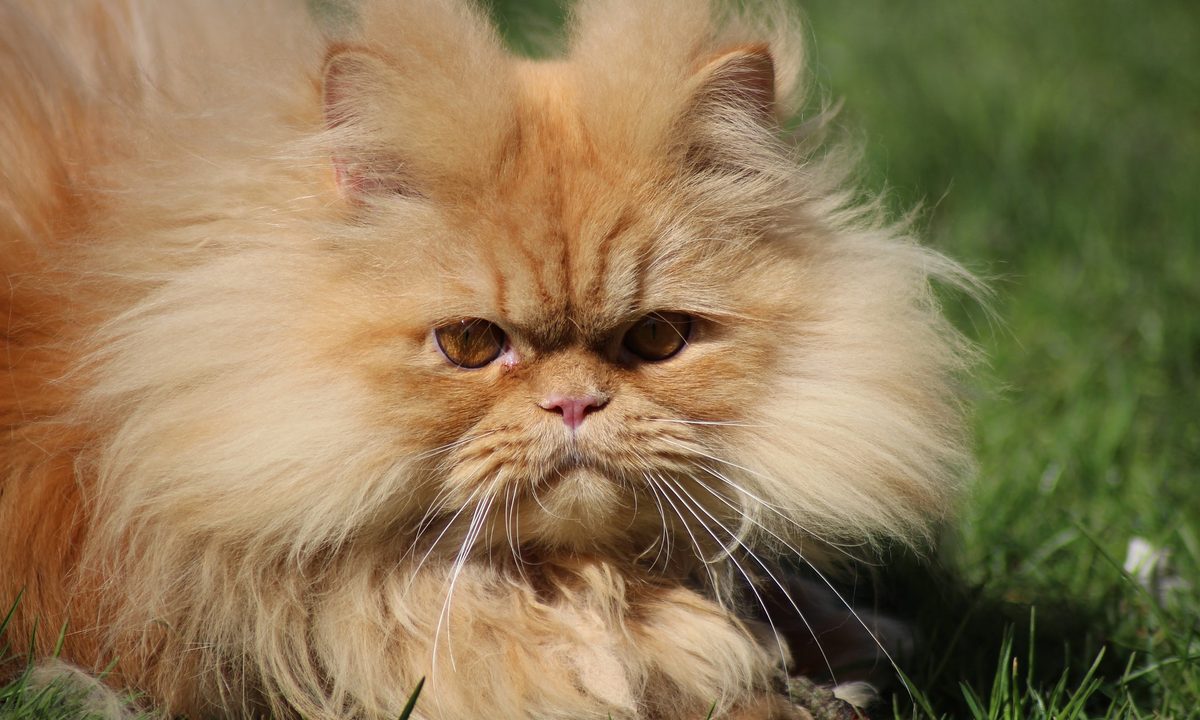
That’s especially true when it comes to the Persian cat. This beautiful breed of cat is known for its long coat and short, smooshed-in face, but those characteristics also bring some unique care requirements. Be sure to learn all about Persian cat care so you can keep your Persian happy, healthy, and looking beautiful.
Are Persian cats high maintenance?
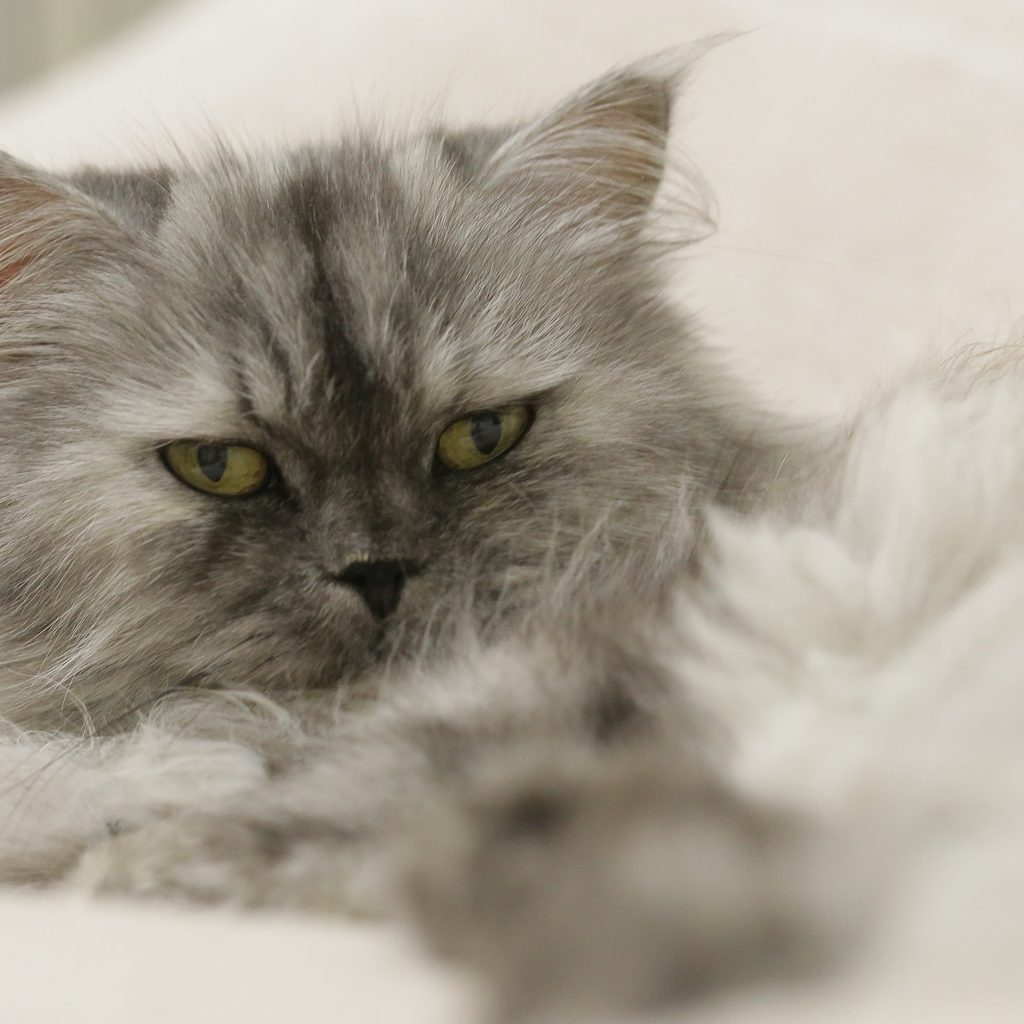
Persian cats are a higher-maintenance breed. According to PetMD, Persians have specific grooming needs, and you’ll spend much more time grooming your Persian than you would another breed of cat. It’s also important to care for your Persian’s eyes and face, which can require daily attention. Don’t worry — we’ll dive into specifics of Persian cat care below.
Are Persian cats easy to care for?
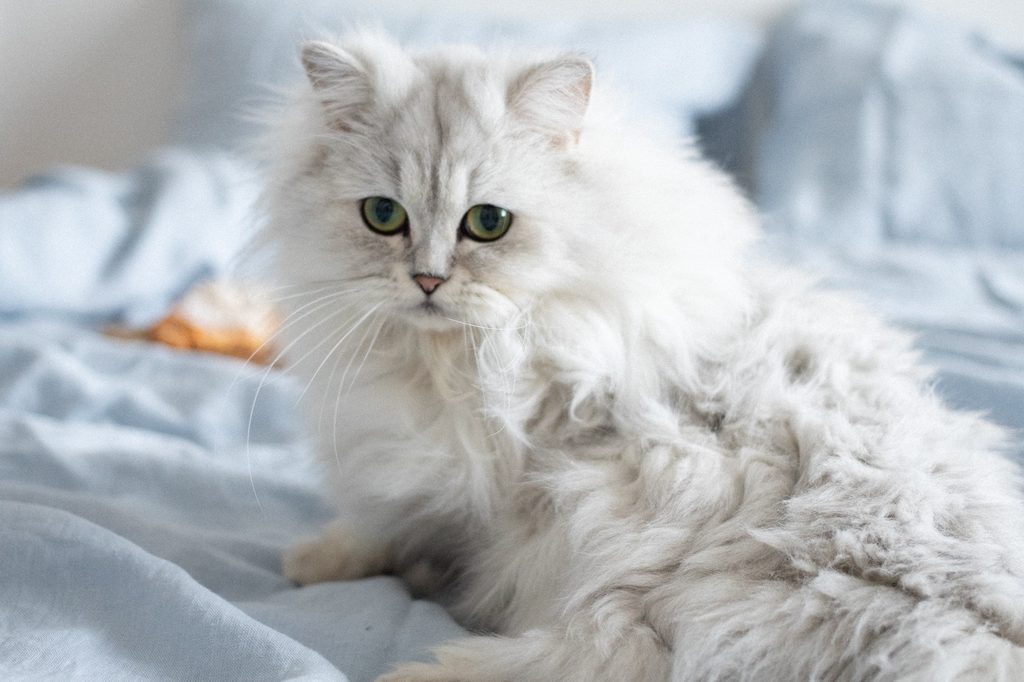
While Persians need extra grooming and care, that care doesn’t tend to be highly challenging, especially if you’re willing to learn to groom your cat yourself. Alternatively, you can enlist the help of a professional cat groomer to keep your feline friend looking their best.
PetMD explains that Persians, like many other cat breeds, are naturally at risk for certain health issues, such as eye, kidney, heart, bladder, and breathing issues. Any of these issues can add to your Persian’s daily needs and the overall cost of caring for your cat. Whether you’re planning to adopt or buy a Persian, it’s important to ensure the cat is healthy and has no history of these health issues. However, this may not be possible when adopting from a rescue.
Persian cat personality traits
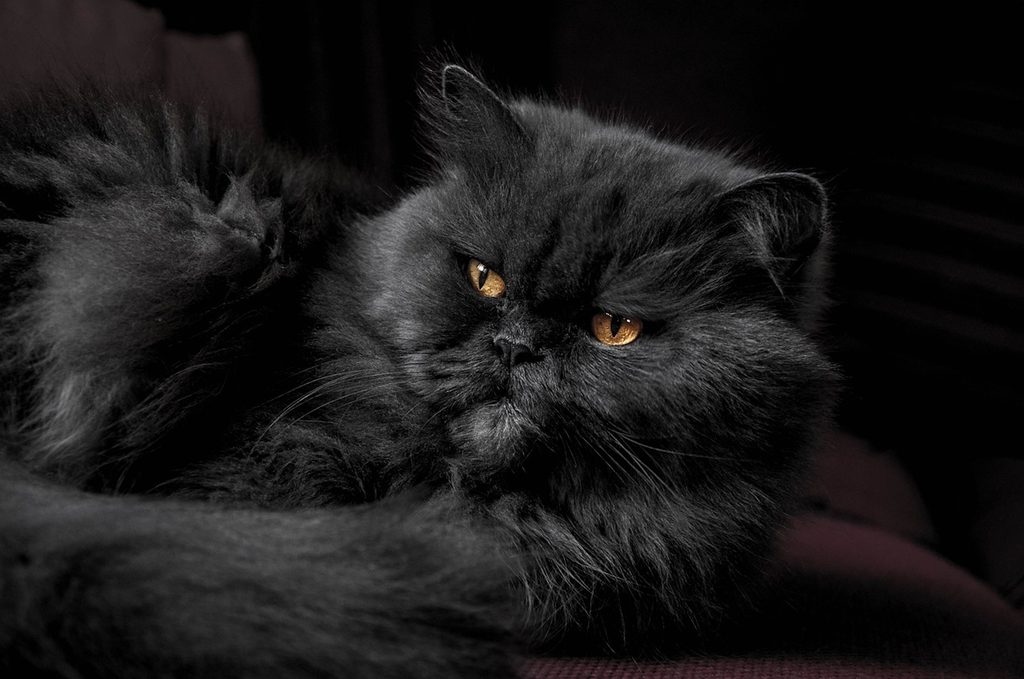
The needs of this cat breed are only one side of pet ownership to consider. Your future cat’s personality is almost impossible to predict, but you can get an idea of what to expect by learning about the Persian cat’s temperament. Generally speaking, these cats act just as regal as they look! They are calm, even-tempered companions who will be more than happy to rest on your lap. In fact, Persians are considered excellent family cats due to their patient, friendly natures.
Most of the time, these cats won’t get into trouble by climbing and jumping, but they will keep you entertained with playful, kitten-esque energy. After playtime, though, you can find a Persian lounging in the sun or on their favorite chair.
How do you take care of a Persian cat?
The Humane Society of Chittenden County explains that Persians are known for their thick double coat and snub-nosed faces. This can result in some challenging grooming requirements. That double coat, which requires daily brushing, can easily get matted and tangled. Certain areas on the cat’s body, including behind the ears, the stomach area, under the chin, and under the arms, are particularly prone to matting.
When detangling areas, you should use a wide-toothed comb instead of a cat brush. PetMD also recommends using a double-sided cat brush. Whatever you use, you need to make sure that the brush can get through your cat’s long fur since the undercoat is prone to becoming knotted and matted. Combing the coat daily can help prevent tangles and keep your cat more comfortable in the long run, so make a habit of it!
Some Persians get their cat litter stuck to their hind legs, and the experience can make them fussy about using their litter boxes, potentially prompting them to do their business elsewhere in your house. You might need to consider trimming the backs of your cat’s hind legs, which can help to prevent this issue. This is a job for a professional groomer, so be sure that you have the budget to take your cat to a groomer when needed. It’s also a wonderful reason to stay on top of litter box duty, but your fresh-smelling home is a much-appreciated bonus.
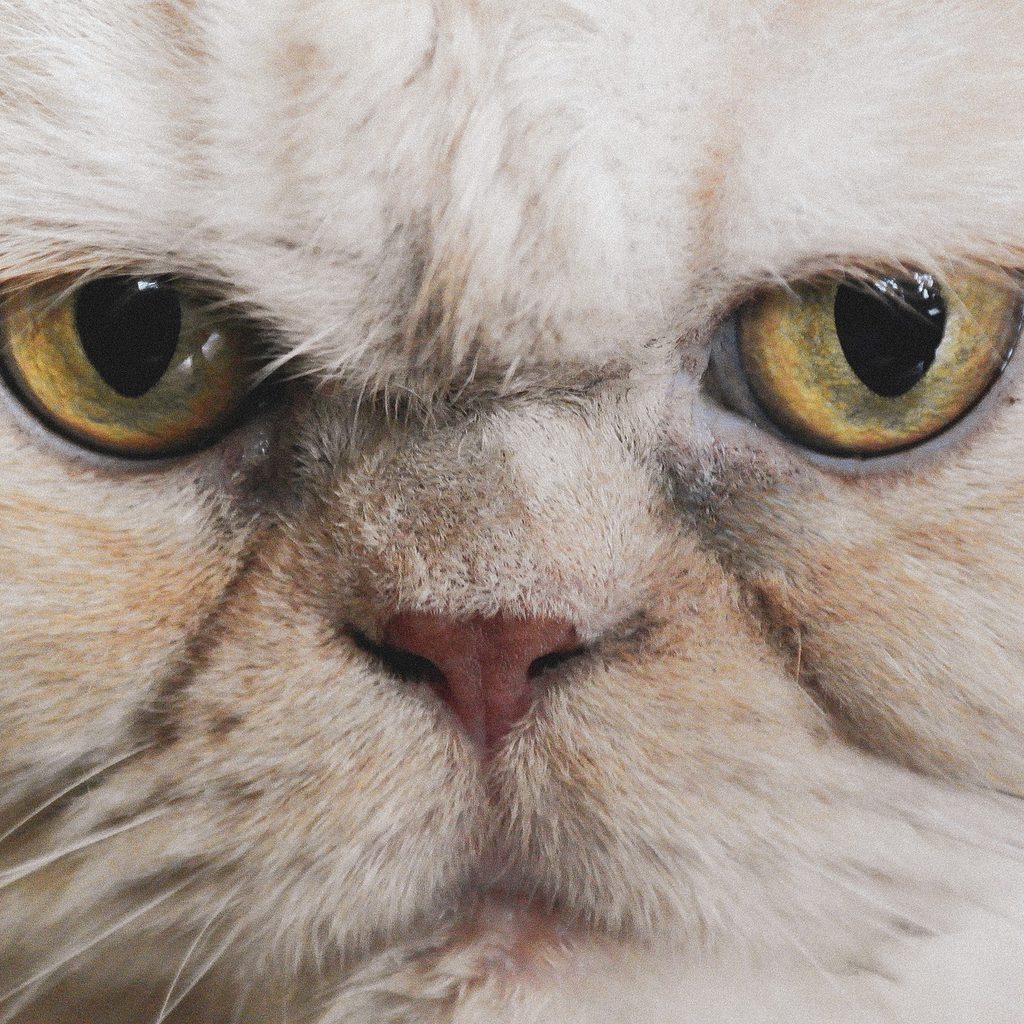
Persian cats’ faces also need attentive care. Because they have flat facial features, Persians can’t breathe as well as other breeds. Their eyes are placed wide apart and are very prominent, and eye discharge can result when paired with the rest of their facial design. That discharge occurs between the nose and the eye, running down a facial fold and drying, which can make your cat’s face look stained. You may need to use cat eye wipes to remove this discharge.
It’s also important to realize that Persians’ eyes can be prone to other health issues, including ulceration. You’ll need to monitor your cat’s eyes and carefully check them daily. If you notice issues like excessive watering or squinting, then it’s important to take your cat to the vet right away.
Closing thoughts
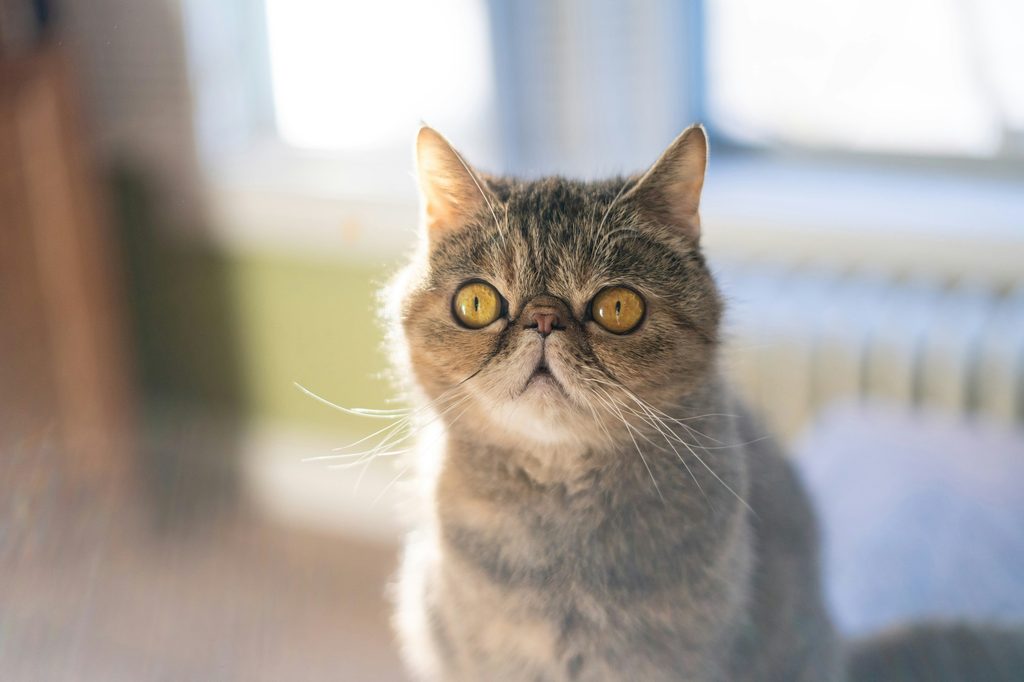
Every cat needs attentive care, but breeds like the Persian require a little more care than your typical cat. Keep in mind, though, that Persians are also a fantastic breed, known for being friendly and laid-back. While you’ll need to budget plenty of time to groom your cat daily, that time can be an enjoyable bonding session for you both.
Grooming your Persian ensures that you’ll take some time out of the day to truly enjoy and focus on your cat, and you’ll also know that you’re doing everything your cat needs to stay healthy. Your vet or a groomer can show you how to best care for your cat, and before you know it, these daily grooming sessions will probably become a part of your routine that you and your cat look forward to.