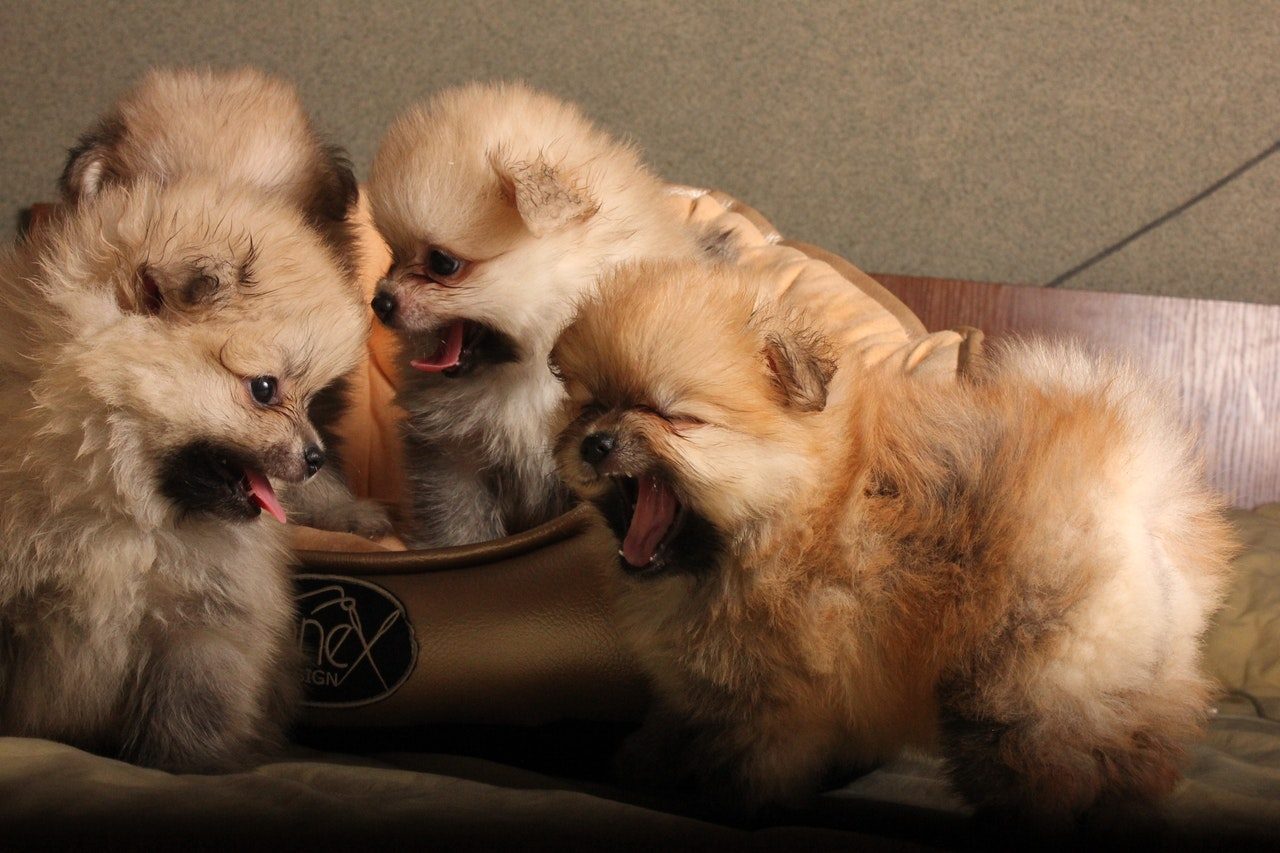
If you’ve never heard the term before, you may be scratching your head in confusion and asking yourself, “What is a pomsky dog?” A relatively new designer breed, the pomsky is a mix between a Siberian husky and a Pomeranian. Pomskies are adorable, playful, and small enough for apartment dwellers, but those who don’t know anything about the pomsky temperament often find themselves woefully unprepared for this high-energy breed. Given their northern origins, they’re best suited to cooler climates. Due to their double coats, pomskies shed a lot, making them relatively high maintenance in terms of grooming. Is a pomsky right for you? We’ll tell you why they might not be and suggest four adorable alternatives.
Why Pomskies might not be the best breed for you
The pomsky is one of the cutest breeds available today, but they’re technically not a “real” breed; they’re a crossbreed. (Neither the American Kennel Club nor the United Kennel Club has officially recognized the pomsky as a breed yet.) Here’s what to consider about them:
- Pomskies are extremely social dogs, so if you don’t have a ton of time to spend walking them and playing with them, they’re probably not the right breed for you.
- They have a tendency to bark — a lot. Of course, there are ways to train your dog not to bark, but if you live in an apartment with a sound ordinance, you may want to think twice before getting one.
- Lastly, pomskies are relatively rare, so they’re expensive. Pomsky puppies start around $1,000, but they can cost up to $5,000 if the pooch in question has the right pedigree.
We’ve compiled a list of four fantastic dog breeds you should consider instead of a Pomsky. Let’s check them out.
Cavalier King Charles spaniel
If you have children or cats, you want a dog that’s patient and mild-mannered. Weighing 13–18 pounds and standing at around 12–13 inches tall, the Cavalier King Charles spaniel is an ideal breed for families with children and other pets. Like many toy breeds, the Cavalier’s life expectancy ranges from 12 to 15 years. Originally popular among the British aristocracy, the Cavalier is an endlessly adaptable breed. They can easily keep up with active owners, but they’re just as happy to curl up next to you while you binge-watch your favorite show. With their large, soulful eyes and silky coats, you’ll have a hard time finding a cuter pooch than a Cavalier puppy.
Pembroke Welsh corgi
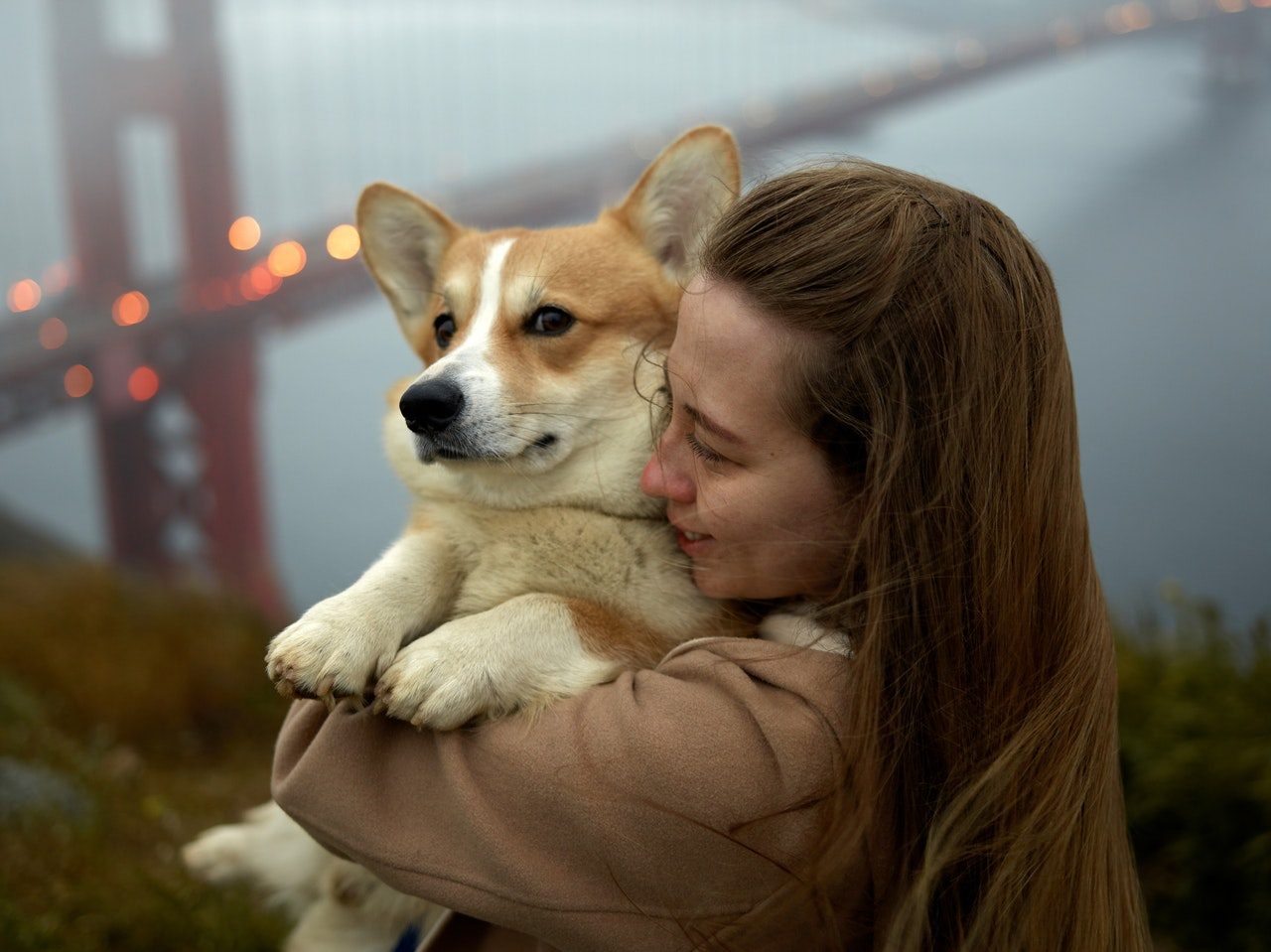
Hailing from the Pembrokeshire region in Wales, the Pembroke Welsh corgi has an interesting and complex history. Britain’s Henry I invited master craftsmen from Flanders (now Belgium) to relocate to Wales. They accepted the offer, and along with their equipment, they brought adorable, short-legged sheep- and cattle-herding dogs with them — the ancestors of modern-day Pembrokes. Pembrokes are sweet, fearless, and bold dogs, but they are also remarkable family pets who form tight bonds with their humans. Because they started out as herders, it’s possible your Pembroke will try to herd your cats or children. But they’re also a gentle breed, so they’re unlikely to do any harm. Some Pembrokes actually become close friends with the cats in their household. Pembrokes are dense and heavy for their height (10–12 inches), weighing up to 30 pounds in males and 28 in females. The average Pembroke lives around 12–13 years.
Pomeranian
Measuring 6–7 inches tall and weighing 3–7 pounds, Pomeranians have been dubbed “the ideal companion” by many. Poms were named for Pomerania, a region in modern-day Poland and western Germany, and they live an average of 12–16 years. They have double coats, so they’ll need regular grooming to cut down on shedding. However, they more than make up for their grooming needs with their vibrant, intelligent personalities. Poms are easy to train, making them wonderful companions whether you live in an urban apartment or a suburban house with a sprawling backyard. The Pomeranian is a relatively active breed, but their small size makes it easy to keep them healthy and happy with plenty of indoor play.

Shiba inu
Thanks to their relatively small size (14.5–16.5 inches for males, 13.5–15.5 inches for females), shiba inus are suitable for smaller dwellings like apartments and townhouses. The shiba inu has a 13- to 16-year life expectancy, so you’ll be able to spend many happy years with your pooch. Shiba inus were originally used as hunters in their native Japan, but now you’ll find them equally at home romping around in your backyard or prowling the city streets on a leash. Shiba inus are intelligent and alert with an almost foxlike appearance. One common misconception about the shiba inu is that the breed doesn’t bark. While they’re naturally quiet dogs, shiba inus can bark when they’re excited. That being said, they tend to bark much less than most breeds.
Pomskies are adorable, but they’re not the best breed for everyone. From the initial purchase price to their high-strung personalities, it takes a sizable chunk of money — and a ton of energy — to have a pomsky. If you love foxy faces, a Pomeranian, Pembroke, or shiba is a great fit. Looking for a more laid-back companion? A Cavalier might be your best bet. With a bit of research, you can discover the perfect dog in no time. (Don’t forget shelters; you can often find purebreds at rescues.)