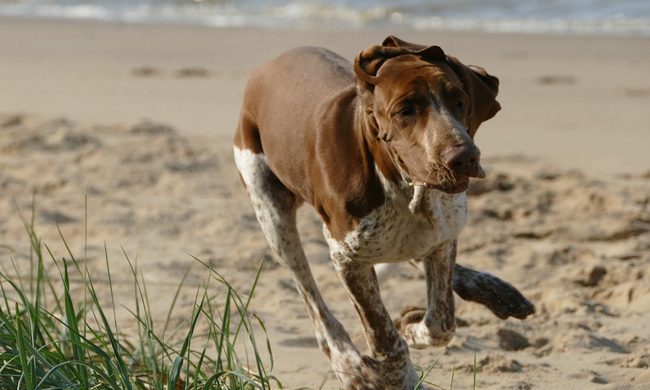
Oh, puppies. How much do we love their cute faces, their clumsy paws, and their wagging tails? But no matter how precious they are, sometimes having a puppy is like having a tiny, destructive roommate who can eat your shoes, demolish your furniture, and tear up your walls. If you’re thinking about bringing a furry little tornado of cuteness into your apartment, you’re going to have to bring your puppy-proofing A-game to the party.
Puppy-proofing an apartment helps keep your belongings safe from your new pooch while keeping your puppy out of harm’s way from potentially dangerous cords, foods, and gadgets. Not only does puppy-proofing your apartment protect your pup and your stuff, but it also makes it more likely you’ll get your security deposit back if you move out. So, how do you puppy-proof your space? We’ll show you how to live peacefully with a puppy in an apartment.

Step one: Give your pup her own room
Okay, so maybe not an entire bedroom, but creating a designated puppy space keeps your new best friend out from under your feet, and it helps her feel safe in her new home. Crate-training your pooch can make this step easier, but you can also cordon off your dog using a baby gate if you decide crate training isn’t right for your new pup.
We recommend setting up a space for your dog on hard flooring instead of carpet to make cleanup easier, but you can always line the floor with a plastic sheet and puppy pads if your apartment is carpeted. Make sure your pup has plenty of water, a cozy place to sleep, and a bunch of toys to play with. An occupied puppy is a less destructive puppy. Take any chance you get to encourage chewing on toys rather than furniture.
Step two: Keep dangerous items cleared away
While we’re big fans of chocolate-covered raisins, they’re actually toxic to your pooch. Many of our favorite foods can cause serious illness — or worse — if ingested by your furry friend. You should keep foods like garlic, onions, grapes, chocolate, raisins, and some nuts well out of your dog’s reach to avoid an emergency trip to your vet. Take precaution when disposing of food, too. A trashcan with a lid is a must-have in an apartment with a pup.
If you’re a fan of essential oils, we recommend using them only in rooms your dog doesn’t enter. Some essential oils, such as cinnamon, clove, citrus, and peppermint, are harmful to your four-legged friend. Similarly, even natural cleaning products should be locked away where your puppy can’t reach them. Adding childproof locks to your doors is an inexpensive fix that will bring you a massive return in peace of mind.

Step three: Make sure tempting electrical cords are out of sight
Just like babies, puppies go through a teething phase, and electrical cords are a prime target for curious pups. Some cords can be tucked out of your pup’s reach and secured behind furniture, such as a TV stand, but all bets are off if you have a wall-mounted television with nothing to protect the cords from your pup.
Picking up a cord box will shield your cords from your puppy’s teeth as well as protect your puppy from a nasty shock. Plus, your apartment floors will look less cluttered once your cords are neatly tucked away, so you get to beautify your space at the same time.
Step four: Curb your puppy’s enthusiasm
Unless you work from home, you may not know your pup has a barking problem until the neighbors leave a strongly worded note on your door. Fortunately, you’ve got a few ways to deter barking even when you aren’t home. Dogs have extremely sensitive hearing. If your pup barks at every sound, leaving her with some background noise like a white noise machine, the radio or TV on, or a fan blowing can drown out distant sounds.
Step five: Keep your pooch out of the toilet
Whether it’s your toilet bowl or the cat’s litter box, your pup doesn’t need to stick her nose where it doesn’t belong. A toilet bowl looks like a huge, fancy dish of water, and we all know dogs love cat box crunchies. (Yuck!) On top of being just plain nasty, drinking from a recently cleaned toilet or eating cat poop can make your puppy sick. We recommend using a covered litter box and keeping the lid down when the toilet’s not in use.
Step six: Go with the flow
Life happens. You think you’ve put away your shoes, and your puppy manages to eat one anyway. You will eventually drop a piece of junk mail and have to pry it from her mouth. She will make a mess at some point. She will bark at 3 in the morning when you have to wake up at 6. Stay calm, cool, and collected, and it will all work out in the end.
Puppies are delightful additions to any home, and as your bond grows, you’ll enjoy one of the most enriching relationships you can have. Remember that having an occasionally naughty puppy doesn’t make you a bad pet parent and take things as they come.