If you’ve thought recently about starting a garden, you’re in good company. The hobby, which had already been experiencing an upsurge in the last decade, became even more popular this past year during the pandemic. And why not? In addition to growing healthy, organic food for the family table, gardening is a great stress reliever and mood booster, experts say.
Here’s a bonus. This activity is also a fine way to spend time outdoors with your dog. So, since growing your own food can benefit both you and your canine family members — and in honor of Earth Day — here are a few tips for starting a dog-friendly garden in your own backyard.
Identify the right location
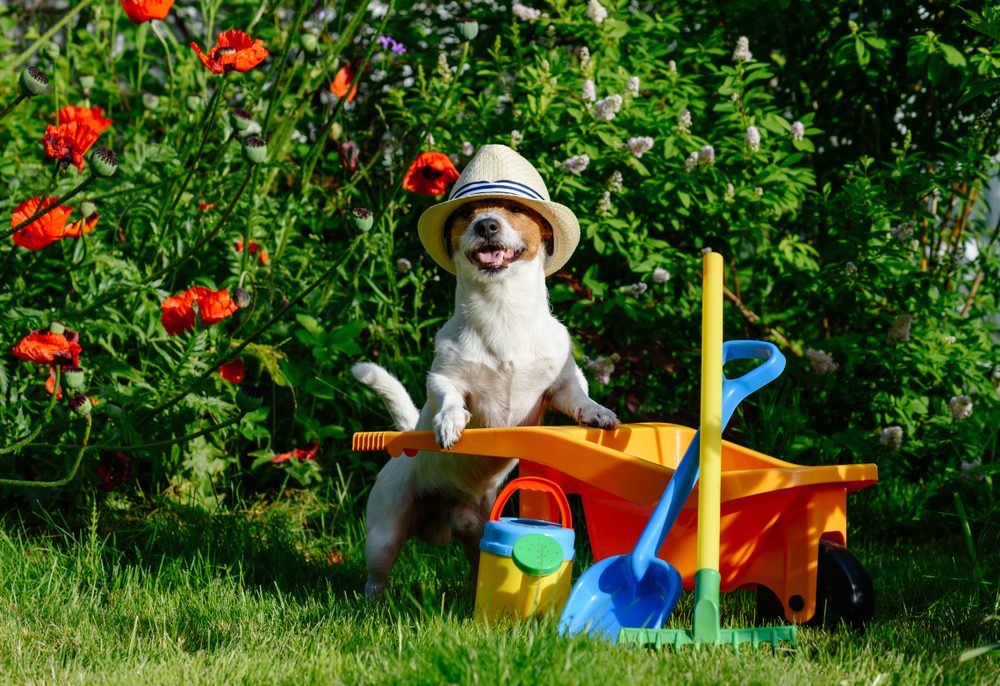
Not every place in your yard is suitable for gardening. In addition to space, you’ll want to determine how much sun the area receives as well as how convenient it will be to water your plants. And since you’re also choosing a location because you have a dog, here are some other considerations:
- Can access be restricted? Intake for even the healthiest foods needs to be monitored. It’s best if your garden can be fenced so it’s difficult for your dog to access unless he’s invited.
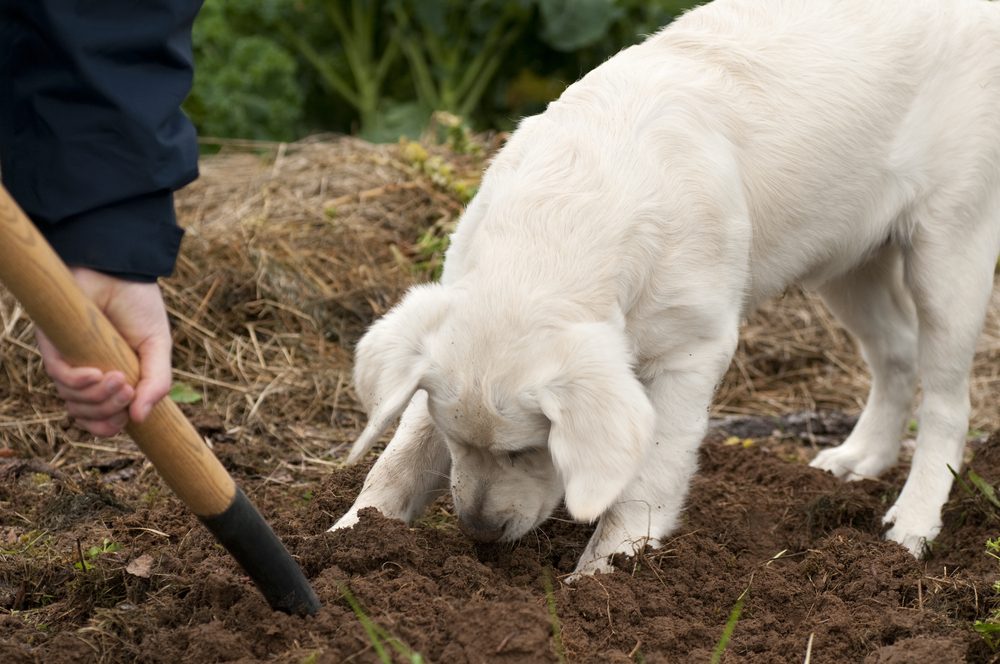
- Does your dog dig? If so, consider creating an area especially for him where digging and eating the plants are acceptable.
- What other critters live in your yard? Birds, rodents, and insects will be attracted to your outdoor smorgasbord, so be mindful of how your dog might react to the intruders as well as nontoxic ways to control these populations.
- Is a small-scale garden best? If space and sun are at a premium, consider starting a container garden. This approach can work extremely well as it lets you move your plants as necessary, whether it’s to follow the sun or to make your garden look better.
Choose nontoxic plants
You can choose from a variety of fruits, vegetables, and herbs that grow well in home gardens and are perfectly safe for your dog to consume. Some popular foods include:
- Green beans, which are loaded with essential vitamins, minerals, and fiber
- Carrots, which are low in calories but high in fiber and beta-carotene
- Berries, such as strawberries, raspberries, and blueberries, which are full of fiber and vitamin C
- Basil and thyme, which both contain antioxidants
- Mint, which can make your dog’s breath smell better, too
- Different types of grass, including barley and wheatgrass, which can aid in digestion
Although dogs benefit from the nutrition and antioxidants found in most fruits and vegetables, some are actually toxic to canines and should be carefully monitored if you choose to grow them in your garden.
- Tomatoes are members of the nightshade family. Their stems and leaves contain solanine, a substance that is highly toxic to dogs. Consumption can cause everything from stomach upset to tremors and seizures.
- Onions, including chives, garlic, and leeks, contain compounds called organosulfoxides that can cause loss of appetite, anemia, and high heart rate.
- Grapes should be avoided. Although the exact cause of toxicity is unknown, ingestion can cause everything from no reaction at all to death, depending on the dog.
Use pet-safe fertilizers
While it might be tempting to grab the most popular fertilizer at the home-improvement store, it’s worth the effort to make sure the ingredients won’t be harmful if ingested by your pet. Here are a few dog-safe choices:
- Seaweed is rich in nitrogen and is available as a spray or solid.
- Compost, recycled material you can make yourself with grass clippings from your yard and kitchen scraps (any nonanimal food), is great.
- Bone meal is completely free of chemicals and full of calcium, which promotes sturdy growth in your plants.
- Manure (horse, cow, and chicken) is both a fertilizer and a soil amendment, meaning it adds nutrients (such as nitrogen, phosphorus, and potassium) to the soil that aid in plant growth.
A word of caution: If your dog is attracted to smelly substances, he may find it difficult to refrain from rolling in your freshly fertilized garden!
Always monitor activity
Of course, obedience training goes a long way here. You’ll want to work with your dog to make sure he understands which areas he is welcome to explore and which are off-limits, especially if he’s been used to having access to the entire yard.
And even if you grow a special garden just for him where eating and digging are allowed, always supervise his intake and activity. Too much of a good thing is, well, too much — regardless of whether you’re human or canine. With proper planning, diligence, and supervision, gardening can become a healthful, tasty hobby that benefits your entire family — dogs, too.