
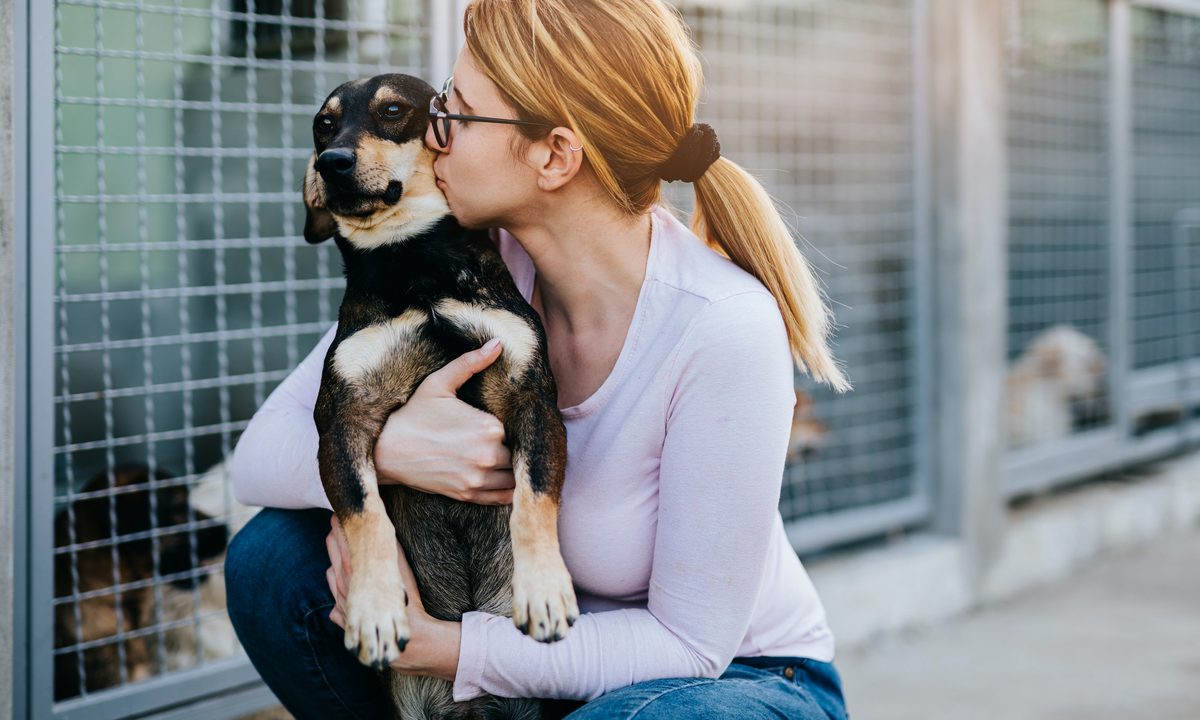
So, you’ve decided to welcome a shelter dog into your heart and home. Good for you! Too many people buy into the myth that if you adopt a pet from a shelter, you’re inheriting someone else’s problem. The truth is that most dogs end up in shelters because of human problems such as divorce, abandonment, or families having no time for the dog.
Most shelter dogs are happy, healthy, and well-behaved pets. They’re just waiting for someone like you to offer them a loving home! Finding a shelter dog that fits your lifestyle does take time, but in return, you get to share your home with a devoted companion. But how can you know which shelter dog is the one for you?
Why you should adopt a dog from a shelter
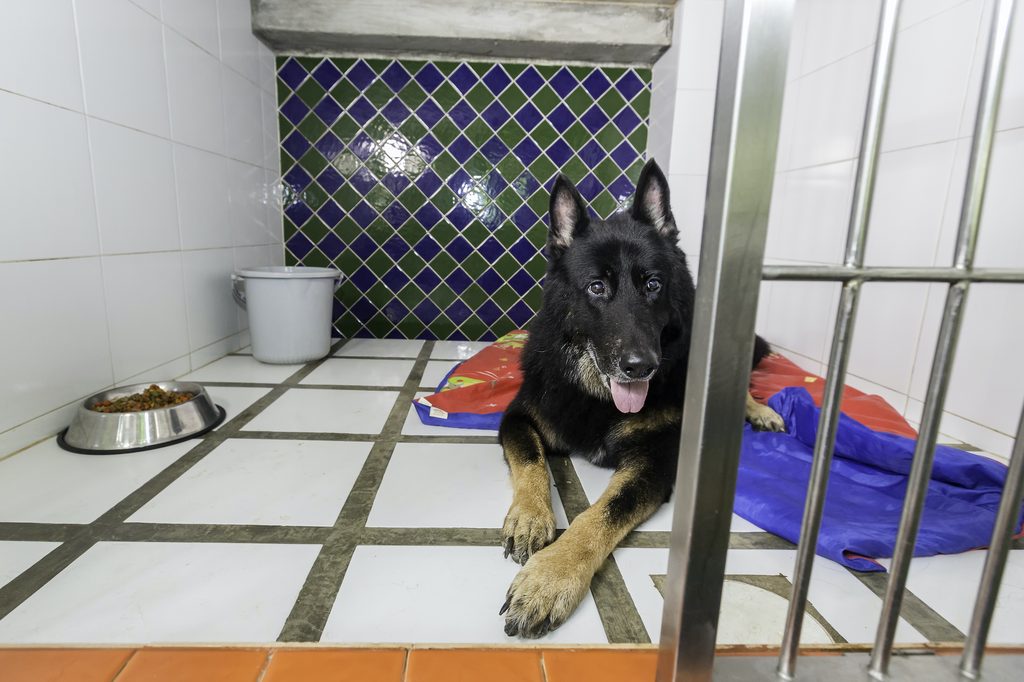
- Because you’re saving a life! According to the most recent statistics compiled by Best Friends Animal Society, 625,000 animals were euthanized at shelters across the U.S. in 2019 alone.
- Many shelter dogs are already house-trained and used to living with families and other pets.
- When you adopt from a reputable shelter, the cost of spaying/neutering, first vaccinations, and sometimes even microchipping is included in the adoption fee.
- You’re helping in the fight against puppy mills and irresponsible breeders. According to leading animal welfare groups, puppy mills still exist because unsuspecting consumers shop in pet stores, over the internet, or through classified ads.
Do your research before visiting shelters
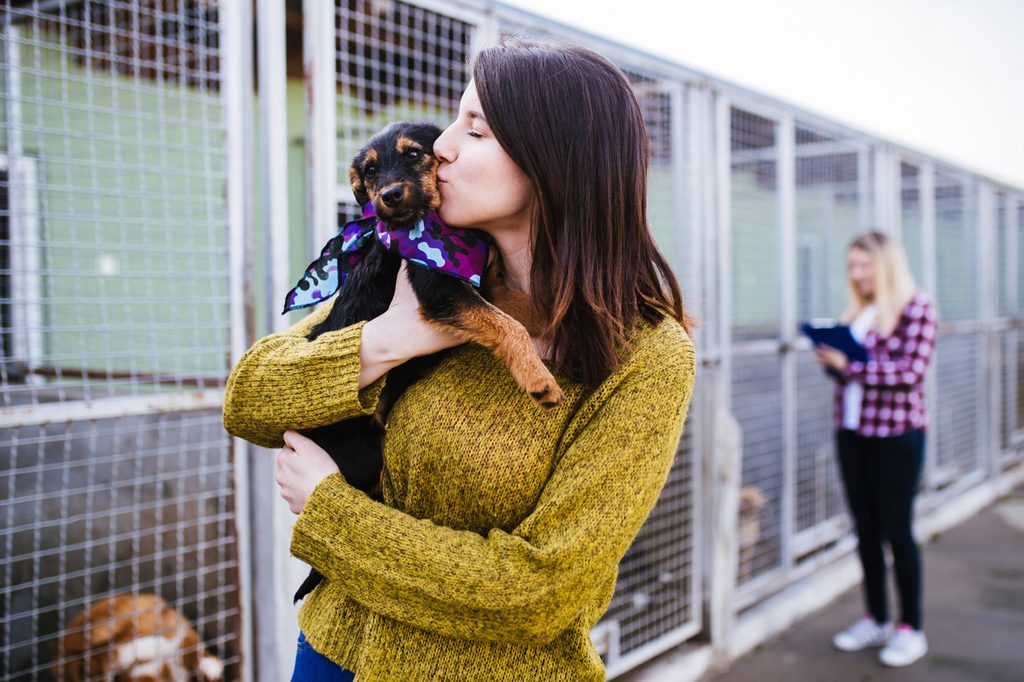
A list of dogs available for adoption is right at your fingertips. You can begin by searching the adoption lists from your local shelters. These will give you access to photos and profiles of each dog available for adoption. However, be warned that the busiest shelters may not have time to update this regularly. They are doing the best they can!
For a wider search, go to Petfinder.com. This site has an online directory of homeless pets at thousands of shelters and rescues across the U.S., Canada, and Mexico. Since there are so many adoption scams online, you can feel confident searching the Petfinder database because all the shelters undergo a screening process before being listed.
Petfinder has a wonderful “Get Personalized Pet Matches” feature that asks a series of questions and provides a list of dogs in your area that are considered a good match for your lifestyle based on your responses. These questions are the perfect ones to ask yourself before adopting a dog, and they include:
Who lives in your household?
If the family includes children, you must consider that when adopting. Many families think puppies and kids work well together, but this isn’t always true. Like kids, pups require lots of time and training, and families with children don’t always have this extra time. Adult dogs are often a much better choice for families with children, especially since they can control their emotions and reactions better than younger pups can. You’ll thank your lucky stars for your dog’s patient response if your curious kiddo accidentally pulls their tail or steps on their paw!
Do you currently have pets?
If you already have a dog or other pets, you’re looking for a pup that gets along with other animals. Most shelters will ask that you bring your current dog to meet the dog you’re interested in adopting before finalizing the decision.
Do you have a size or breed preference?
It’s important to consider your living space when choosing a dog size. If you live in a home with a fenced-in yard, then a large, active dog could be a good fit. However, you would probably do better with a medium or smaller laid-back breed if you live in an apartment or condo.
What’s your activity level?
Active individuals or families who like to go for long runs, walks, or hikes should look for a high-energy dog, while a more relaxing household might look for a smaller, less active breed. Herding and working dog breeds tend to be the most energetic dogs, and they need regular jobs in order to thrive and feel accomplished.
Are allergies a concern?
It’s important to know there’s technically no such thing as a hypoallergenic dog. However, dog breeds or breed mixes who are no-shed or low-shed often make great companions for allergy sufferers. Some dog breeds, like poodle mixes, even have hair, not fur!
5 questions to ask before signing the pet-adoption agreement
- Why is the dog in the shelter? Was he a stray, rescued from a high-kill shelter, or surrendered by the owner? If the owner left the dog at the shelter, what reason was given?
- Does the dog have any training? Some shelters work with dog trainers who conduct temperament tests or behavioral assessments. If this is the case, ask if you can see the results of these tests.
- Has the dog been adopted out before? If yes, why was he returned? Don’t let this stop you from adopting, as it could simply mean that the previous adopters weren’t willing to work with the dog.
- What kind of medical care has the dog received? Is he fixed, heartworm tested, and current on vaccinations?
- Do you offer postadoption support? Many shelters provide a trainer or experienced volunteer to help adopters with issues that may arise as the dog adjusts to his new life.
Be patient with your new pal

Even if you’re familiar with your newly adopted dog’s online profile, you’re both in uncharted waters. You don’t truly know each other yet. Keep expectations low while your new dog settles into their new home, and don’t be afraid to take it slow with new routines and habits. Some dogs take days just to leave their pet carrier. Your new pal may not trust you as much as you would hope, but this will change as you show them love, care, and consistency.
Pet adoption experts recommend that adopters keep the 3-3-3 rule in mind. This important rule breaks down how long it can take for new pets to reach certain levels of comfort in their home, though no two dogs are on the exact same schedule. According to this rule, a rescue dog will begin to feel safe enough to begin interacting with their new home within the first three days. By the three-week mark, new dogs will get the hang of routines like potty breaks and meal time. If your dog is still working on potty training, it can take even longer. Once three months have passed, your adopted dog will be feel right at home with their doting family. Pretty soon, you won’t be able to imagine your life without them!
Volunteering at your local shelter is a great way to get to know the dogs. If a particular dog catches your interest, you could spend time walking and playing with him. Fostering also offers a wonderful opportunity to see how a dog would adjust to your lifestyle while giving him a welcome break from the shelter. Many adoptions begin as fosters, so don’t be surprised if you quickly fall in love and adopt your new best friend.