Decorating your home creates a space that reflects your personal aesthetic, and nothing brings a touch of the outdoors into your home like a fresh bouquet of flowers. But did you know that some of your favorite flowers might be on the list of things that are toxic to cats? Poisoning is one of the most common reasons for an emergency trip to the vet, and flowers aren’t the only potential culprit lurking around the house. It can be difficult for pet parents to know what is harmful to cats, so we’ve compiled a list of 10 things toxic to cats you probably have in your home. These are the everyday household items you should know about if you have cats.

1. Alcohol
Kicking back with a cold one is a great way to relax after a hard day at work, but make sure your cat doesn’t join in. Alcohol contains ethanol, which depresses the central nervous system. If your cat ingests a small amount of alcohol, you can expect her to lose coordination and become lethargic. In larger amounts, consumption may lead to respiratory failure, and it can even be fatal.
2. Alliums
Chives, garlic, leeks, and onions are members of the allium family, dubbed the “fearsome foursome.” Alliums contain disulfides and thiosulfates, and while they may punch up the flavor of your favorite dishes, they’re also toxic to cats (and dogs). In addition to causing gastroenteritis, consuming garlic and onions causes your cat’s red blood cells to rupture. Alliums dilate blood vessels, leading to low blood pressure, circulatory problems, and impaired oxygen delivery.
3. Aloe
Aloe is often found in pet shampoos, but it contains saponins and anthraquinones, which are toxic to cats if they ingest them. It can cause many health problems, including depression, anorexia, lethargy, diarrhea, tremors, and kidney problems. Make sure you rinse your pet thoroughly if you use a shampoo that contains aloe.
4. Bread dough
Is anything better than freshly baked bread? Probably not, but you should be careful during your baking frenzy if you have cats. Raw yeast, the agent responsible for fermenting the carbohydrates in bread dough, also creates ethanol and carbon dioxide. If your cat eats raw dough, it will continue to expand in her stomach, leaving her bloated. Worse, consuming raw bread dough is the same as alcohol poisoning in cats, which can be fatal.
5. Caffeine
While your feline friend probably loves the occasional scrap of chicken, many human foods are actually toxic to cats. Caffeinated drinks like coffee, tea, and soda — especially those containing the artificial sweetener xylitol — are toxic to cats. Caffeine can damage your cat’s heart, kidneys, lungs, and central nervous system. If ingested in large enough quantities, caffeine consumption results in death.
6. Chocolate
Even white chocolate can be toxic to your feline friend, but the most dangerous kinds are dark chocolate and unsweetened baking chocolate. Although it’s one of our favorite treats, chocolate contains theobromine, which can cause seizures, tremors, abnormal heart rhythm, and even death if your cat consumes enough of it.
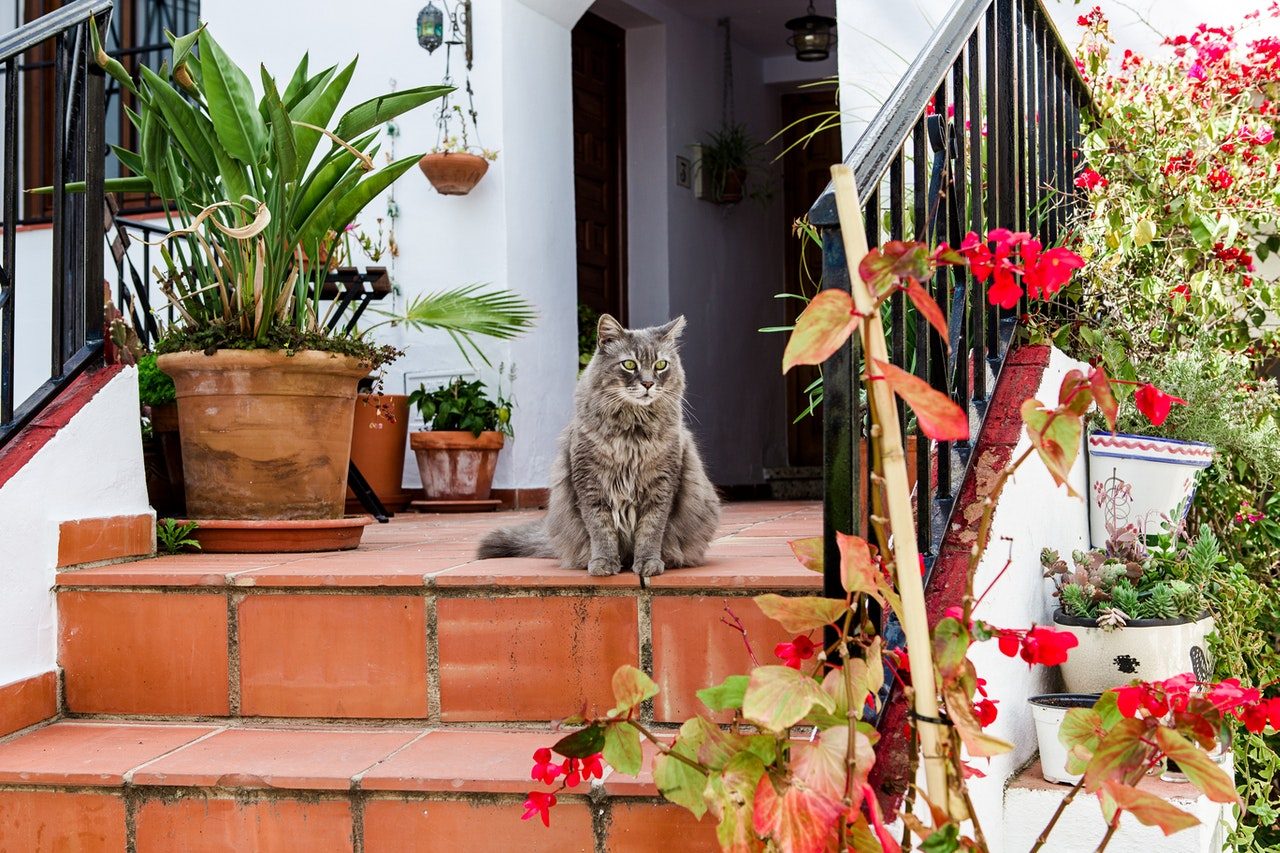
7. Flowers
We all love the look of fresh flowers, but because cats will chew on plants, some flowers should be avoided at all costs. Don’t decorate your home with flowers until you know they’re cat-friendly. For example, lilies, daffodils, azaleas, chrysanthemums, daisies, hyacinths, and tulips should all be avoided.
8. Household cleaning products
You want your house to stay spotlessly clean, but be careful if you have cats underfoot. Common household cleaning products like bleach, laundry detergent, and bathroom cleansers can seriously harm your fur baby if she walks through them and licks her paws. Excessive drooling, vomiting, respiratory issues, and chemical burns are all known side effects. Look for pet-friendly formulas, or keep your cat in another room until those freshly cleaned surfaces have dried off.
9. Human medications
While we all rely on painkillers to get through our day when a headache hits, acetaminophen, ibuprofen, naproxen, and aspirin are all toxic to your cat. Similarly, antidepressants, sleep aids, beta-blockers, cholesterol medications, and more can make your cat seriously ill — or worse. Keep your bottles tightly closed and unreachable for your cat’s safety.
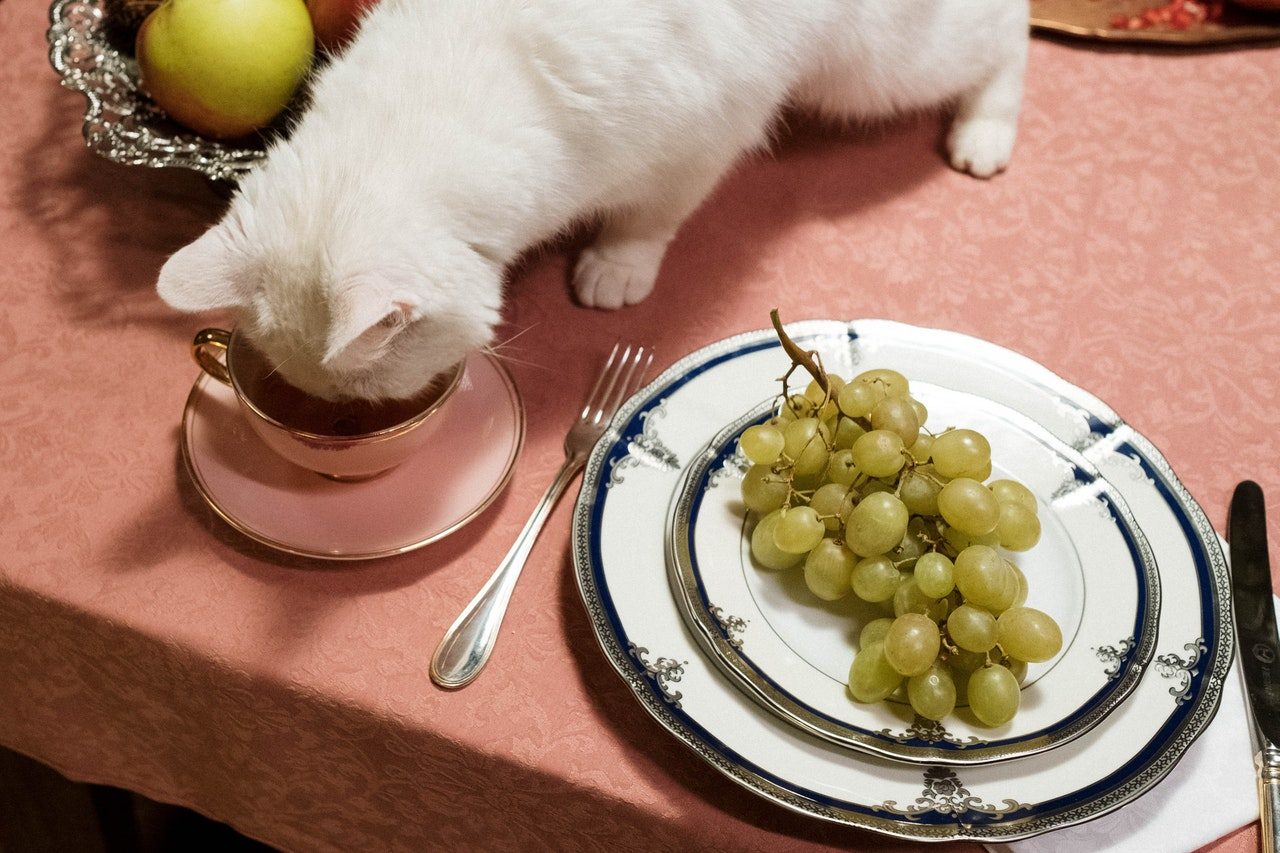
10. Grapes (and raisins)
We don’t yet understand what makes grapes and raisins toxic to cats, but we do know the devastating consequences of ingestion. Grapes and raisins cause acute kidney failure in cats within 24 hours of consumption. The symptoms of grape and raisin poisoning include diarrhea, vomiting, and lethargy. If your feline friend is left untreated, her kidneys may shut down completely.
Cats get into everything, and it’s our job as pet parents to keep them safe from harm. But some of the items we have lying around our homes are potentially dangerous. When in doubt, research the toxicity of foods, household cleaning products, and medications. Keep toxic substances well out of reach, and take your cat to the vet immediately if you suspect poisoning.