
If you’re asking yourself, “What kind of pet should I get?” you’ve got some important (and fun!) decisions to make. Bringing a pet into your home is a serious commitment — you’re putting yourself in charge of another life, after all. Don’t psych yourself out, though; caring for a pet is so rewarding! With a little preparation and time, you can totally do this.
Different pets have different needs, so it’s crucial to consider what kind of care you’re wanting and willing to give. For example, sprinkling some fish flakes in a bowl is quite different from trekking out to the stable to feed your horses. Still, horses interact with you in ways fish cannot. It’s all about what feels right; we’ll go over a few important things you should consider before deciding what pet is best for you and your home.
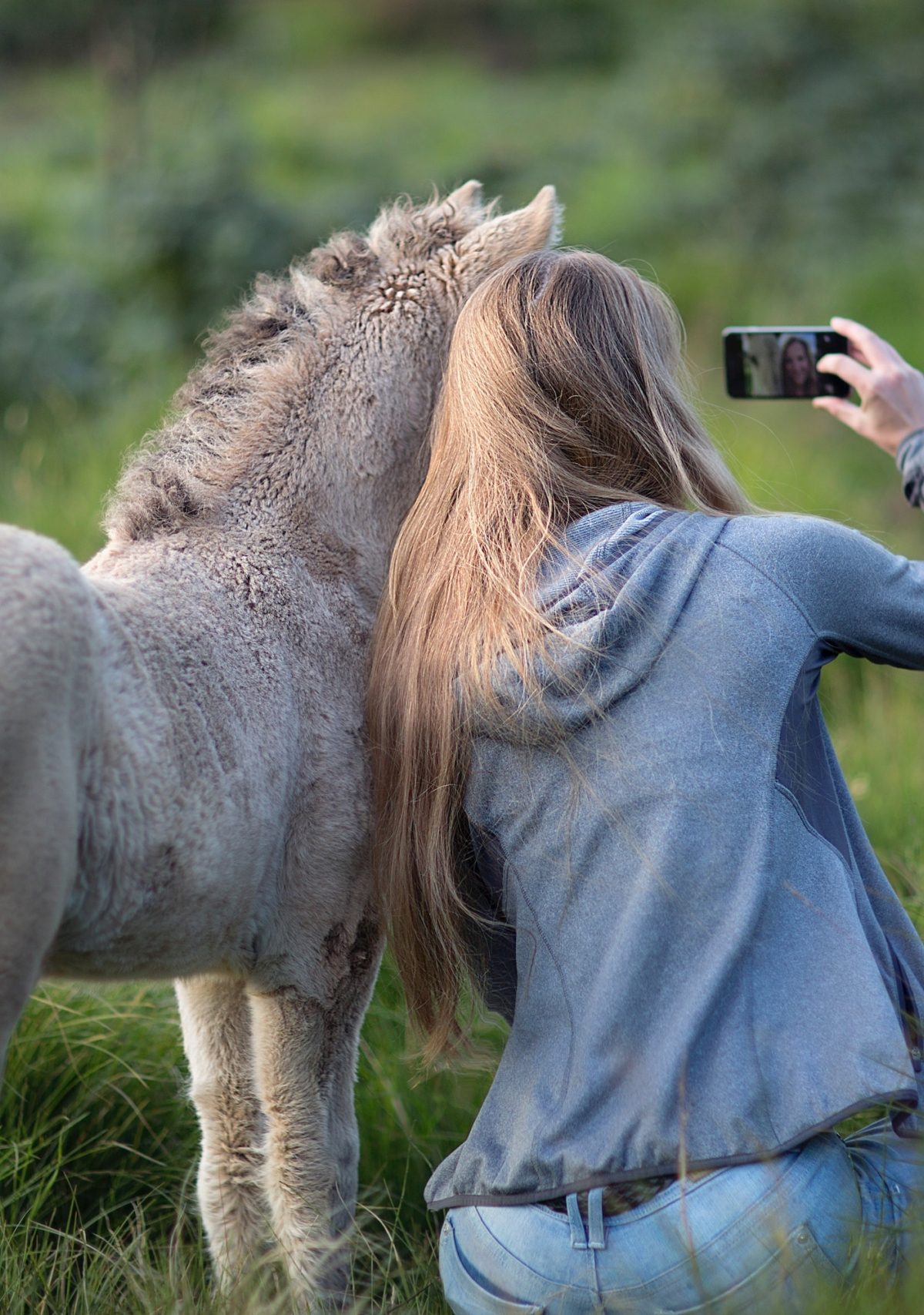
Consider how you would like to interact with your pet
It may sound obvious, but it’s something a lot of new pet parents overlook. You just won’t interact with a pet like a tarantula the way you would a dog. Each species and even breed of pet will have its own personality and quirks that you’ll have to get to know, but you can do some research in advance to get familiar with the general temperament of each animal.
Some pets, like rabbits, may not like to be held or cuddled, so this probably wouldn’t be a good choice for someone who wants to be superaffectionate. Larger animals like dogs and horses will need to be exercised frequently, while hamsters and birds can handle all the workouts on their own. If you’re looking for a pet you can simply sit back and enjoy, some vibrantly colored fish, or even ants, might be a pet to look into.
What kind of environment, diet, and care can you give them?
As important as it is to consider what you want from a pet, it’s equally crucial to know what you can give them. Do you have enough space for a large dog? Where will you put an aquarium? Even small mammals such as guinea pigs should have both indoor and outdoor spaces to explore — will you build a hutch in your yard? When in doubt, do some research or ask your local vet what you’ll need before bringing your new friend home.
One of the most important aspects of pet care is diet. Animals need to eat on a regular schedule, so make sure you can comfortably stay on top of a feeding schedule for your pet. If you’re skittish about feeding meat or sometimes whole prey to a pet, a snake or large reptile might be out of the question. If you like to garden, though, an herbivorous pet like a tortoise or mouse would be a great way to connect two of your favorite things in life. For kids who may be learning to care for their first pet, a simple diet of fish flakes will be easy for them to get the hang of.

How much of a commitment are you ready for?
If there’s one overall thing to consider when deciding on the perfect pet for you, it’s commitment. Don’t bite off more than you know you can chew when it comes to animals; they deserve the best care when joining a new family.
One reason why fish are so popular as a child’s first pet is because their life span is relatively short. A goldfish can live for around 10 years in perfect conditions, but on average, their lives are much shorter. Larger reptiles tend to be some of the longest-living pets, with tortoises often living over 100 years. In fact, one of the oldest recorded pets, Adwaita the tortoise, outlived her owner and many handlers at the zoo in her 225 years. So, a tortoise might not be what you’re looking for if you don’t want to be caring for your child’s pet while they’re away at college.
Before you decide which kind of pet is best for you, give it as much thought as you can. When in doubt, a local veterinarian or animal behavior expert might be able to help guide your decision, especially if you have specific questions. Don’t be afraid to sleep on it, talk to other pet parents, or read up on everything you can get your paws on. There is no such thing as overprepared when it comes to pets, since simply meeting your animal’s basic needs is not enough. They should be healthy, happy, and loved.