Owning a fish is not quite the same as owning a dog. While it’s definitely possible to train your fish to do tricks, you don’t spend time walking your fish, cooking them meals, or taking them with you on vacation.
As a relatively low-maintenance pet, fish become fun, in part' because you get to create a loving habitat for them — and that means adding amazing aquarium decorations.
Sure, you could go to the store and pick up plenty of aquarium decorations — from whimsical to practical — to suit your needs. But we like to get a little more creative with our freshwater tanks. It’s super easy to create some wonderful, unique DIY aquarium decorations that are certainly more personal than what you’ll find at the pet shop. There are some limitations, but using our guidelines and common sense, you can put together a safe and distinctive living environment for your fishy friends.

What are the dangers of making my own aquarium decorations?
Simply put, anything foreign you add to your aquarium can introduce dangerous toxins and hazards that put your fish at risk. The pH level in a freshwater aquarium is a delicate balance, and most household items contain chemicals that can be fatal to your fish.
Your swimmers are also at risk from any naturally occurring bacteria invisibly living on an item that hasn’t been properly cleaned. Additionally, anything with sharp or rough edges can fatally injure your fish.
What materials are safe to use in my aquarium?
Now that we have your attention, relax. There are still plenty of things you can use to personalize your fishes’ underwater home. The key is to choose your elements wisely.
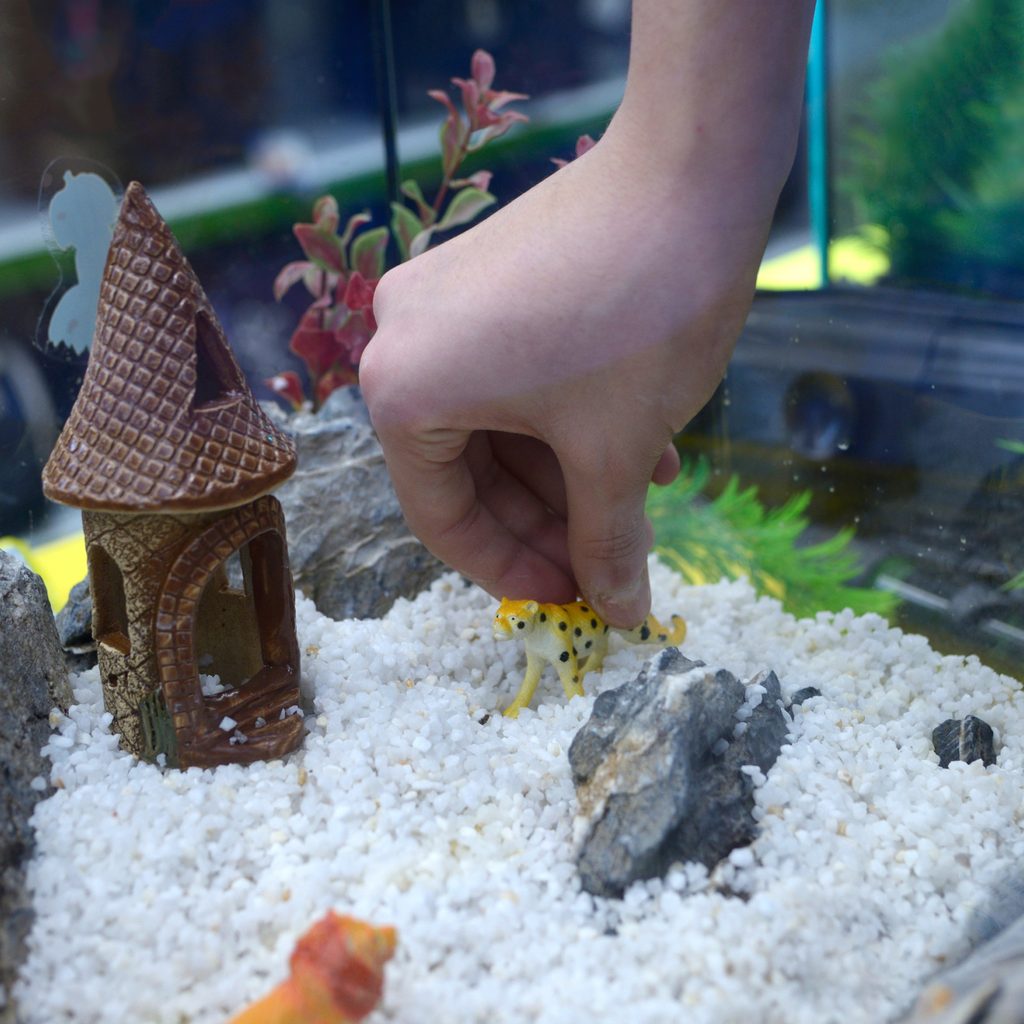
Ceramics: As a general rule, terra cotta clay pots and other dinnerware are safe in your aquarium; however, those with lead and copper glazing should be avoided. Decorative ceramic mugs and plates can provide fun hiding places for your most timid fish as long as they meet the safety requirements.
Plastic: Items that are marked food-safe usually make acceptable decorative items, but be careful. Don’t select one-use plastic items such as water bottles or unsealed, painted plastic toys, as they can contain toxic chemicals.
Glass: Grandma may have some beautiful glass goblets in her collection that will add color and nostalgia to your fish’s home, but beware. Check carefully for any signs of cracks or sharp edges that might do more harm than good.

What materials should I avoid using in my decorations?
Naturally, there are some things that don’t belong in your tank. Use your best judgment, and when in doubt, just say no. Here are a few good rules of thumb that will help you make educated decisions.
Metal: As you well know, water and metal just don’t mix. Over time, metal objects will corrode and release toxic oxides into the water, which will poison your fish.
Wood: Most of the treated wood decorations available in pet stores (along with driftwood) are fine; however, all other wooden objects should be avoided. Untreated wood can alter the chemistry of the water in your tank. And, if you plan to use a piece of driftwood you found on the beach, make sure you boil it for one to two hours to remove any algae or spores first.
Beach sand: If you want to add sand to your aquarium, it’s best to purchase it from the pet store where it has been specially designed for freshwater aquariums. Regular beach sand may have chemicals and other bacteria that can be toxic to your freshwater environment.
Shells, coral, and rocks: These items, while decorative and likely a fond reminder of a past vacation or great hike, contain calcium and other minerals that can alter the pH of the water in your freshwater tank.
Anything degradable or consumable: Many fish like to nibble at the objects in their environment or forage for food at the bottom of the tank. For this reason, it’s unhealthy to add anything they can ingest that isn’t part of their diet.
Can I add my own live plants?
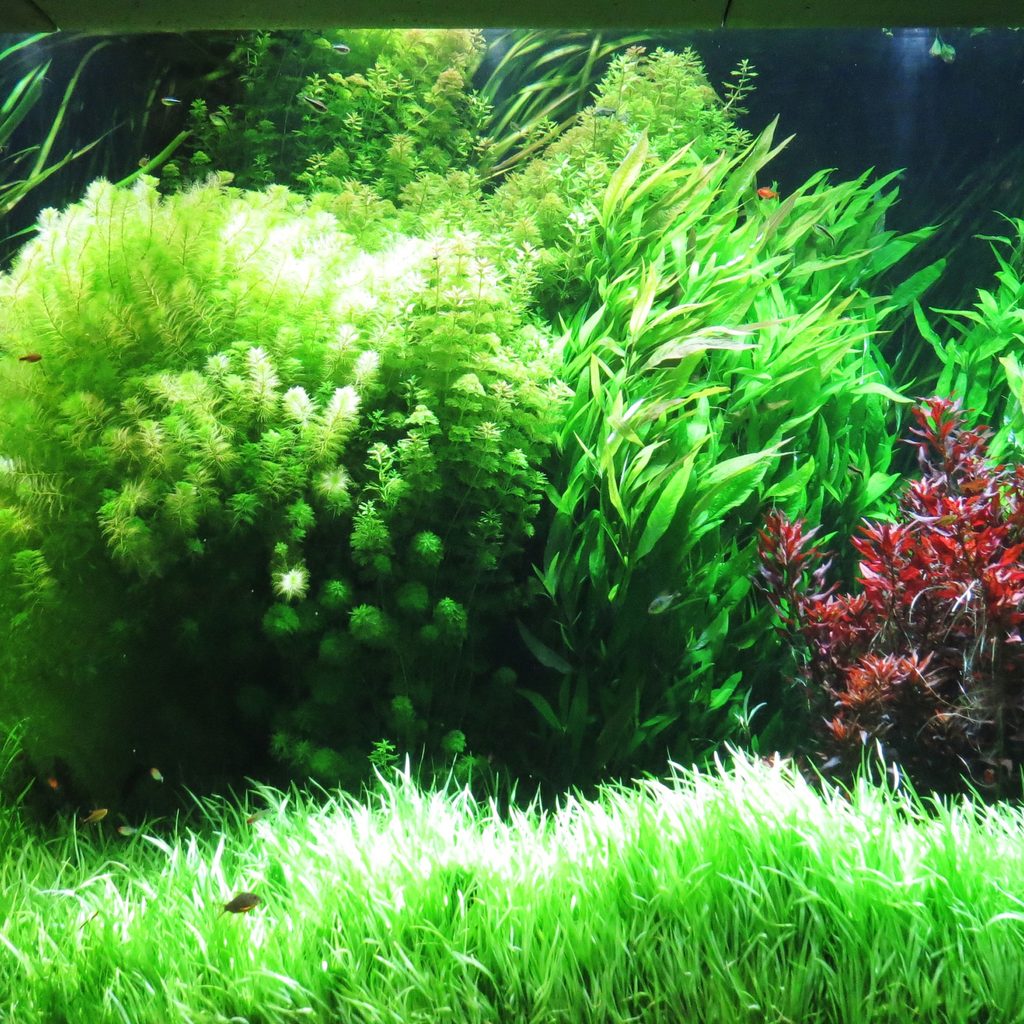
The quick answer is no — and this is why: While having live plants in your aquarium can actually improve the water quality, not just any plant is suitable for underwater life. You’ll need to buy aquatic plants that thrive being submerged in water.
In nature, aquatic plants provide food and shelter as well as building materials for fish, birds, and other animals. In your aquarium, these plants use nitrogen, a nutrient that’s found in abundance in fish waste, and CO2 (carbon dioxide). They also give off oxygen, which can help your fish breathe.
There are a multitude of choices. Here is a short list of five aquatic plants you can find at your local pet store:
- Java moss thrives well in dimmed light and is a favorite of shrimp.
- Amazon sword is a good plant for beginners because of its hardiness and low cost.
- Java fern is an inexpensive, slow-growing plant that likes to attach to wood or rocks.
- Pygmy chain sword is a low-maintenance plant suited for both beginners and experts.
- Water wisteria is an easy-growing plant with lace-like leaves that spread out like a carpet.

Fun DIY aquarium decor ideas to try
Now that you know the basics, feel free to get creative.
Step 1: Decorate for the holidays.
Why should human homes have all the fun? Look for aquarium-friendly mini decorations in the holiday section of your favorite retail store.
Step 2: Embellish with a background.
Measure the dimensions of your housing and design a scene to print and laminate. Attach it to the back of your tank on the outside.
Step 3: Recreate your favorite Hollywood movie scene.
While you can’t dress your fish up in costumes, you can create a miniature underwater movie set for them to explore. Who knows? Maybe their antics will inspire you to write a sequel!
Step 4: Build an ancient underwater city.
Use your imagination to recreate Pavlopetri, Atlantis, or Heracleion, the lost city of Cleopatra.
Step 5: Use your Legos.
No one will appreciate your scale model of the Golden Gate Bridge quite as much as your aquatic friend, who has the chance to get up close and personal with it. And, since Legos are built with children in mind, they have especially strict safety standards for the plastic and won’t release any kind of toxins into the water.
Step 6: Get creative with lighting.
Light is ultra important to the health of algae, corals, and even the fish in your aquarium! Colored lighting is one easy option, as is stringing up festive holiday lights around the tank.
Step 7: Add in flower pots.
Clay and ceramic flower pots are made of tank-approved materials, and when laid on the side, make the perfect little cave for your fish to explore and hide in. There are fish-safe paints available online if you want to make your decor a little more colorful.
Step 8: Turn your tank into a canvas.
For this project, all you need is a set of Sharpies or other permanent, glass-staining markers. Grab your pens and doodle away! Yes, directly on the glass (the outside, of course)! Stencils are always an option if you aren’t a natural Michelangelo, but don’t stress about perfection.
Step 9: Build the landscape of your (fish’s) dreams.
For a slightly more dedicated hobbyist with an entire weekend to devote, making your own aquarium landscape out of silicone and insulating foam is a more challenging — and rewarding — project to try.
Step 10: Use rocks and fish-safe glue.
Let out your inner sculptor by DIY-ing caves, arches, and other rock art for your fish. Be careful to stabilize your creation so it won’t fall over or endanger your fish in any way! It’s also a good idea to sanitize any rocks you might be adding to the tank.
Step 11: Print your own vinyl decals.
Owners of craft machines like the Cricut can design and print their own vinyl right at home, though custom-cut vinyl images are often cheap and easy to find online as well. Since it’ll be on the outside of the tank, you won’t have to worry about the safety of the material in relation to your fish.
How do I decorate my fish tank?
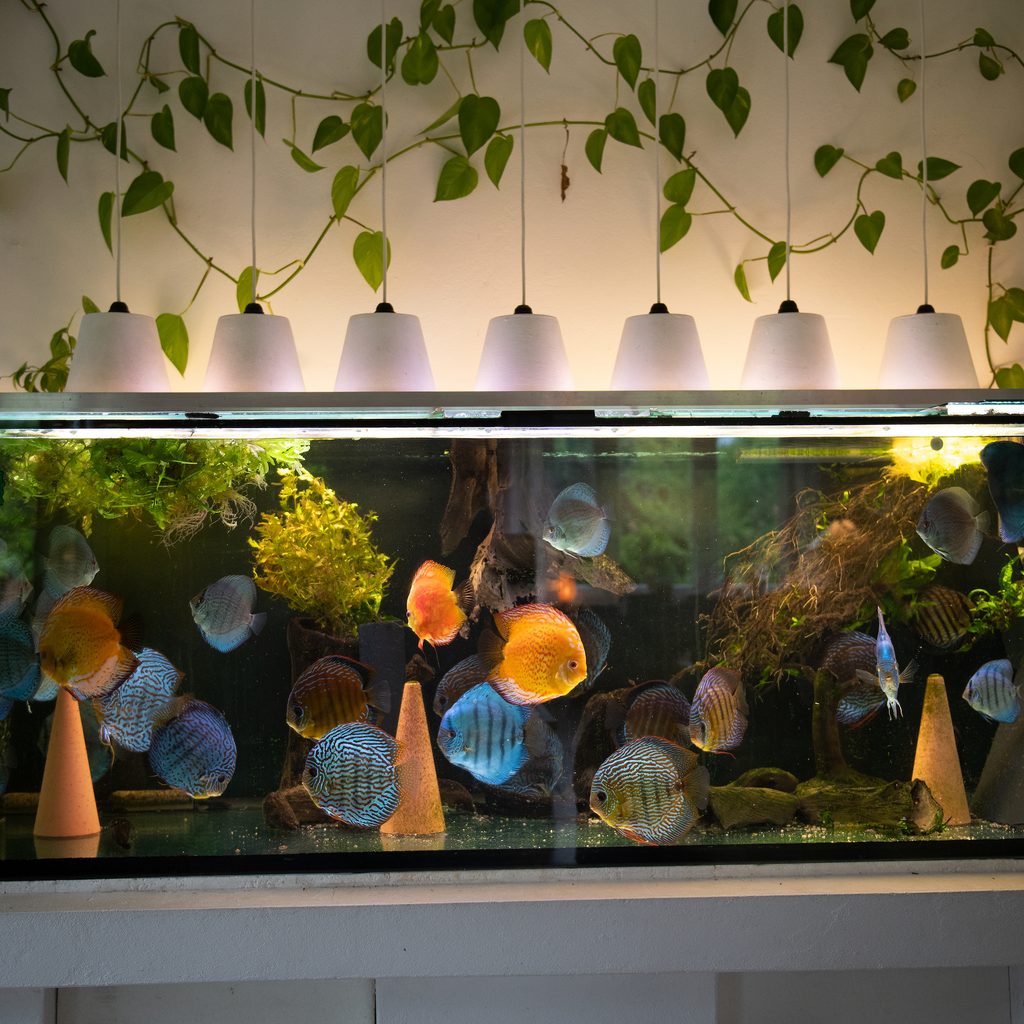
If you feel a touch overwhelmed by the options, go ahead and take a breather for a minute. We certainly don't recommend doing all of these things, at least not all at once. In order to plan out your own tank, start by coming up with your favorite ideas and then work around that.
For example, if you know you plan to make a bunch of 3D structures with LEGOS, you should build out your creation first. Figure out how it will fit in your aquarium and then decide how to plump up the edges, maybe with a few plants. Basically, you want to choose your centerpiece and build out the rest from there.
In other words, have fun! And don’t worry. Pursue your aquarium decoration ideas with merriment and a little consideration. Moving the landscape (carefully) on occasion is a good way to keep your fish interested and entertained. As long as you use common sense and monitor your fish for any signs of distress when you introduce a new decoration, you can create (or recreate) an endless variety of underwater scenarios for your fish (and human) family to enjoy.


