
Gus, Copper, and Oliver-Clyde live busy lives at the Beck International Academy in Greenville, SC. When they aren’t playing in their enclosure the guinea pigs are hanging out with students at their desks or visiting other classrooms. In addition to spreading joy, middle school teacher Alexandra Jackson says that the guinea pigs have been an incredible source of growth and learning for her students.
Jackson acquired two of her school guinea pigs with help from The Pet Care Trust’s Pets in the Classroom grant program. These grants provide financial support to teachers for the adoption or purchase and maintenance of small animals in Pre-K through Grade 9 classes. Since its inception in 2010, the program has impacted more than 8.1 million students across the U.S. and Canada.

Caring for classroom pets provides numerous benefits for students
More than a thousand teachers responded to a recent Pets in the Classroom survey on the impact classroom pets have on their students. The results revealed a wide variety of benefits including:
Decreased anxiety
Almost 95 percent of teachers reported a decrease in anxiety among students when around classroom pets.
Greater empathy and compassion
Ninety-eight percent of teachers noticed an increase in empathy and compassion. One respondent said her students acted more calmly to avoid stressing their pet guinea pigs.
Improvement in academic performance
Eighty-four percent of respondents saw an improvement in academic performance with one teacher saying her students greatly improved their reading test scores by reading to the classroom fish.
Increased social skills
Ninety-six percent of teachers saw an increase in social skills with students connecting over a shared love of their classroom pet.
Increase in student engagement
Ninety-eight percent of teachers said caring for classroom pets was an enriching experience for students. One ecology teacher shared that caring for fish in the classroom is a practical way to make learning come alive for her students
Things to consider before adding a pet to the classroom
According to the Pets in the Classroom grant program teachers should ask the following questions before choosing a classroom pet:
- How much experience do I have caring for a pet?
- How long am I willing to care for the pet?
- How noisy is my classroom?
- Does the pet I’m considering enjoy being handled?
- Do any of my students have allergies?
- Can I cover the cost of pet care including any special diet and veterinary expenses?
- Are there local laws making certain pets off-limits?
- Who will take care of the classroom pet during school breaks?
Here are 6 animals that make great classroom pets
1. Coldwater fish
Classroom aquariums are soothing and tranquil as well as visually intriguing for young children. Fish are a great option for teachers who don’t want children handling pets. Students can participate in the care of the fish including feeding and water changes. Aquarists at LiveAquaria say that classroom aquariums can be used to teach students about such topics as fish anatomy, the food chain, the water cycle, or the nitrogen cycle.
2. Guinea pigs
Veterinarian Laurie Hess highly recommends guinea pigs as classroom pets. In a Vetstreet article, Hess describes these cute critters as hardy, fairly long-lived rodents that can be safely handled by most children with adult supervision. Small children are especially drawn to these friendly gentle animals. Students learn responsibility by helping to clean their pet’s cage while also helping to change the food, water, and bedding.
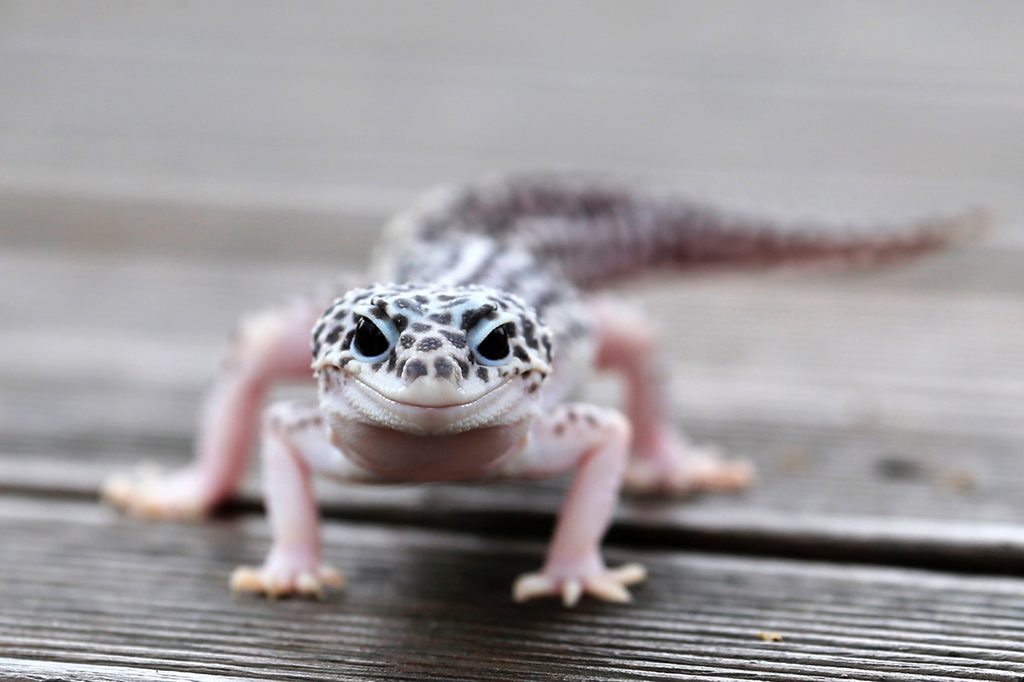
3. Leopard geckos
Young children are attracted to these cute reptiles because of their gorgeous big eyes, smiling faces, and leopard spots. Leopard geckos are quiet and friendly making them a wonderful choice for the classroom. These pets are happy when gently held and will thrill students by walking across their hands. A well-balanced leopard gecko diet consists of crickets, small mealworms, and waxworms along with fresh, clean drinking water. All reptiles carry salmonella bacteria, so students must be taught to wash their hands after handling their gecko.
4. Rats
Rats are clean, friendly, affectionate, and entertaining making them a popular choice for the classroom. In a PetMD article, veterinarian, Clark Fobian says rats make great school pets because they are intelligent and easy to care for. These rodents enjoy performing tricks and students can offer stimulation by providing a variety of toys and strategically arranging climbing robes inside their pet’s enclosure.
5. Hermit crabs
Hermit crabs make unusual and interesting classroom pets for children of all ages. In nature, they travel in packs of up to 100 so it’s best to keep at least two together in a classroom environment. Caring for these little crabs is a science lesson for students who learn how to keep their school pets healthy by creating a humid environment. Young students are intrigued that hermit crabs live in shells. They also love discovering that their pets have different personalities with some being more outgoing and curious than others.
6. Gerbils
Gerbils are energetic and friendly and are active during the day which makes them great classroom companions. They enjoy living in pairs and teachers should make sure they are of the same sex to avoid breeding. They do well in 10-gallon aquariums with a secure wire-mesh cover. Decorating the enclosure with exercise wheels, toys and bedding makes for a fun class project. These rodents will provide lots of entertainment as they tunnel their way through the substrate in their enclosure.
Finally, experts at the Massachusetts Society for the Prevention of Cruelty to Animals say that introducing a classroom pet should always start with a lesson on responsible care and commitment to animal guardianship. The nonprofit encourages teachers to turn to shelters and rescues when looking for a school pet. In addition to saving a life, educators will be teaching students a valuable lesson about compassion for animals.