Although birds are some of the only pets to actually be able to tell us what’s wrong, owners can’t always get it right. There’s more to consider than just the way your pet talks (even though it’s pretty entertaining). Body language is just as important as vocalization when it comes to bird communication, so it’s a must to keep an eye on your bird’s behavior, even if they’re talkers.
If their actions are trying to tell you something, you’ll find out here. Consider these eight behaviors to be Bird Body Language 101: all you need to know about your feathered friend from beak to toe.
Eye pinning
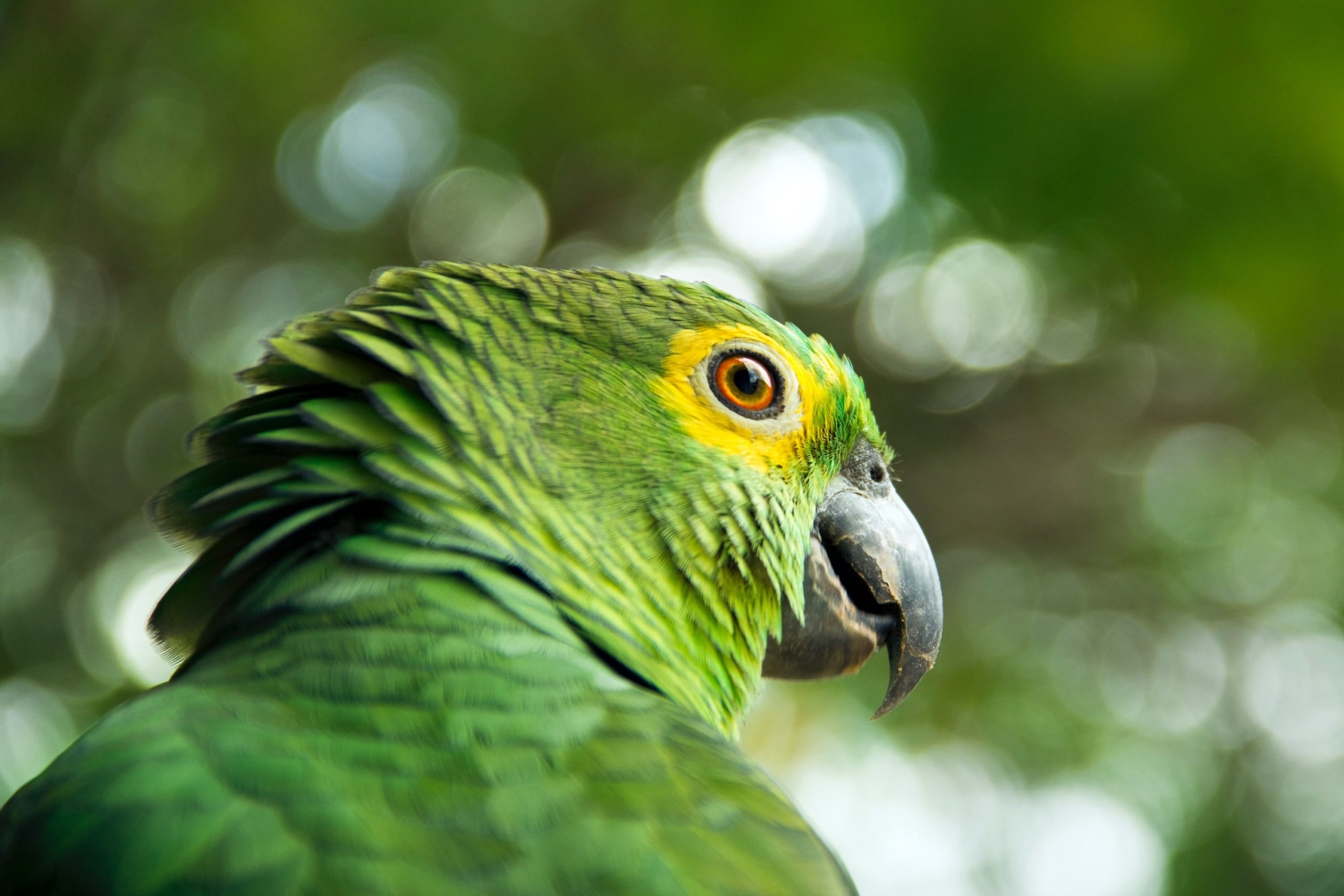
One talent that birds have that humans do not is the ability to control their irises and pupils. This talent is called pinning, and usually looks like quick growing and shrinking of the pupils. Always consider your bird’s eye behavior in context with the rest of their body. Eye pinning can be a characteristic of excitement or of aggression, so don’t guess their mood just by the movement in their eyes.
Stretching
Birds stretch for the same reasons we do! Whether they’re getting ready to fly, relieving some tension, or just keeping the blood flowing, stretching shouldn’t be a cause for concern. You might even catch a glimpse of your bird doing a tai-chi-like stretch, with one leg and the opposite wing extended. If your bird is taking the time to stretch, they’re probably feeling pretty chill. Stretching is wonderful for the body, so take a note from your pet!
Craning their neck
Another peoplelike gesture is neck craning, which is simply a way of taking a look around. It can be hard to take in all your surroundings while in a birdcage! An especially alert bird will widen the eyes and remain very still, though not tense. Mind what you say when your bird is craning their neck (especially if your bird can learn to speak) — they might be listening, too!
If your bird sticks their neck out while you’re interacting, they might just be asking for a scratch! This will look more like bowing, but you may catch a bit of head bobbing, too.
Wing and body shaking
Carefully notice whether your bird is shaking just their wings or their entire body. Shaking of the wings alone is more likely to indicate displeasure, whether it be hesitation or fear — just like people! If their entire body is shaking, though, they’re probably just adjusting to the temperature in the room. If you’re not great at eyeballing your bird’s movements, no worries! Check the feathers on their abdomen; if they’re also quivering, your buddy is just getting comfy.
Head bobbing or snaking
Head snaking is another behavior that means several things. Healthwise, your bird could be trying to vomit. If not, a serpentlike, fluid, sideways motion of the head is usually a call for attention. It’s a common display behavior as well as a way of showing curiosity and interest.
Head bobbing is a sign it’s time for dinner! Oftentimes, birds bob their heads when hungry or when being fed, which can make for a messy mealtime. While a lot of birds outgrow this behavior, some still get excited for a snack well into adulthood. You might spy a bob or two when your bird gets especially worked up, whether they’re feeling delighted or worried.
Drooping wings
The meaning of drooping wings varies depending on your bird’s age and activity levels, so always consider their recent history when analyzing drooping wings. Young birds may still be learning how to tuck in their wings, while older birds may be showing signs of age and illness. If your feathered friend has been especially active lately, they might just be tired and giving their wings a rest. This can also be a postbath ritual to help them dry off.

Tail wagging
Another mixed signal! As with dogs, tail wagging can signal excitement in your bird, especially around their favorite people or objects. Seemingly random tail wagging, though, is not quite as cute. You might want to give them a minute before handling a bird with a wagging tail — unless you don’t mind being pooped on.
Regurgitating
If your bird regurgitates something for you, you can be sure they truly love you. Regurgitation is the act of expelling already-ingested food from the throat or crop. Mama birds feed their young this way, as do couples in the act of mating, so if your bird does this for you, you should feel very special. You’re bonding!
While bird body language can be one puzzle after the other, we hope this helped break down some of the more common behaviors and the reasons behind them. Before you know it, you’ll be able to read your bird like a book, and you’ll get along better than ever.