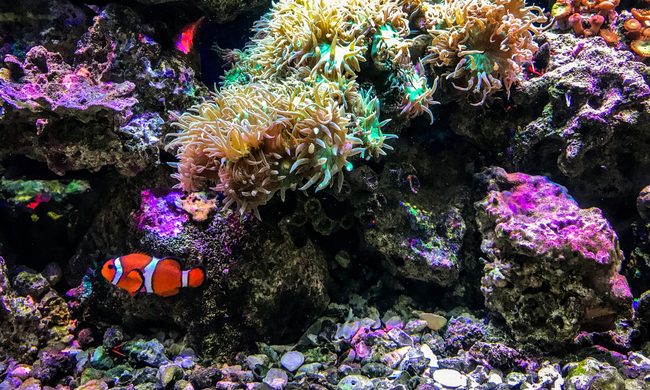
Lots of people like fish and the attractiveness that a well-maintained fish tank can add to a home. However, not everyone knows what they need to make a fish tank all that it should be.
Proper lighting adds a certain appeal to a fish tank, but it’s not just about the aesthetics. Having the correct color of fish tank lighting is vital to the health and well-being of the fish, other creatures, and plants that call your aquarium home.
To take care of your tank inhabitants in the best way possible, you must remember that each of them lives in specific natural conditions in the wild. You’ll want to try to replicate that environment to the best of your ability.
For example, if you have a tank with tropical fish or fish that live in streams where light easily penetrates the water, you’ll want to invest in fish tank lighting with a color temperature that simulates the sun’s warm rays.
On the other hand, if your fish come from an environment filled with lots of plants and shade, your lighting system will probably need a different color temperature altogether.
In this article, we’ll run down seven great tips that can make it easier to choose the best lighting for your fish tank.
Consider your fish tank hood
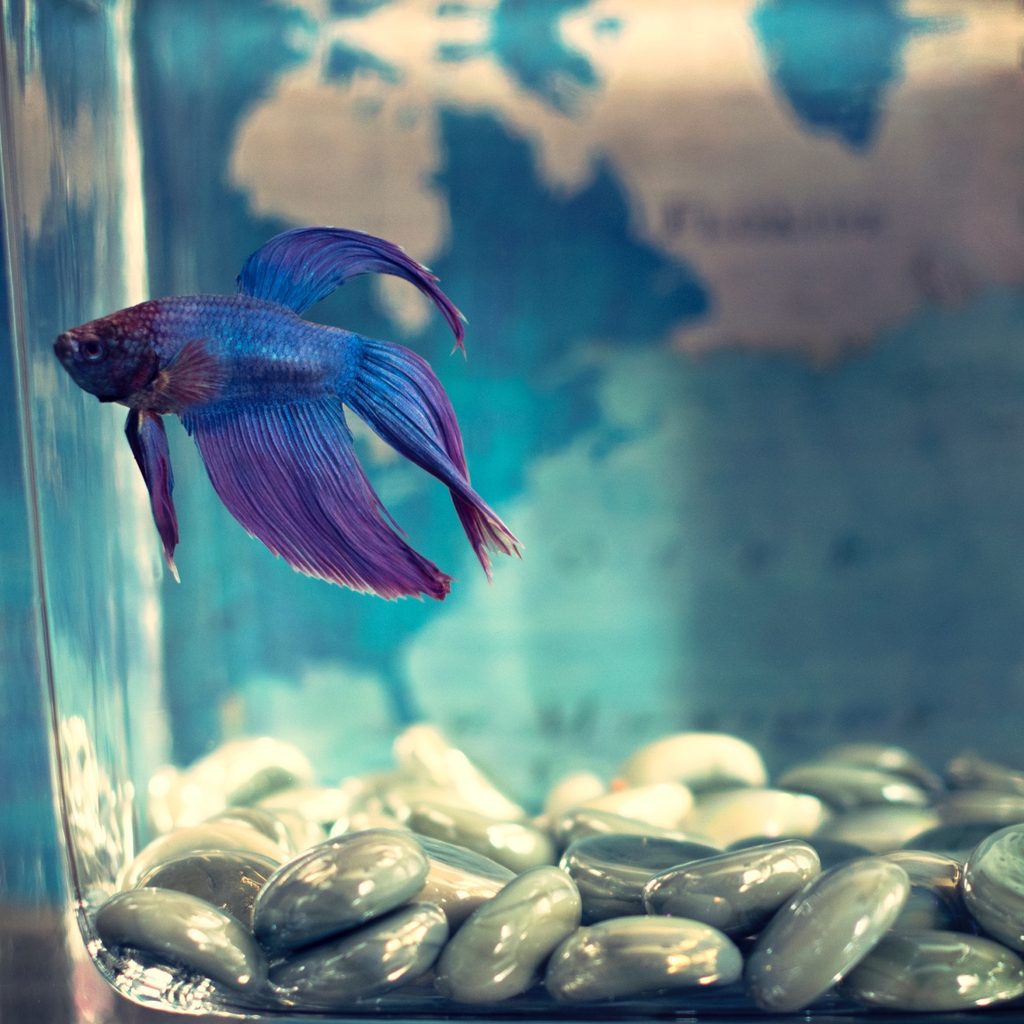
Do you know what kind of hood your fish tank has? Knowing this will help determine what kind of lightbulb you can use to illuminate your aquarium (check with your pet store if you’re not quite sure). You’ll also need to consider the power of the lightbulbs you want to use.
Regular fish tanks need about three watts of lighting power for every gallon of water in the tank. Again, depending on the kind of fish you have, you’ll want to think about color temperature. But in general, the lighting shouldn’t be too bright for a regular tank since it could stress the fish. Too-bright lighting can also lead to algae growth.
Choose incandescent or fluorescent lighting
Two common lighting options are fluorescent and incandescent.
The first is more expensive and is available in both bulbs and tubes. Fluorescents can also be used with any type of aquarium. Although they give off a white light that’s brighter than that of incandescent bulbs, many fish tank owners prefer them because they’re perfect for any live plants in the aquarium.
Incandescent bulbs are cheaper and dimmer. They illuminate a fish tank with a yellow-tinted light. They’re great for smaller tanks and better when your plants are plastic.
LED lighting
A third option is LED lighting. LED lights might cost a bit more upfront because they’re newer technology, but they’ll save you money over time since you won’t have to change out the lights nearly as often.
A great benefit of these types of light is that, unlike incandescent bulbs, they don’t produce any heat. Remember that excess heat from a lighting source can raise the temperature of the fish tank’s water, which might be hazardous to your fish.
Another thing to like about LED lights is their ease of installation.
Don’t leave your lights on constantly
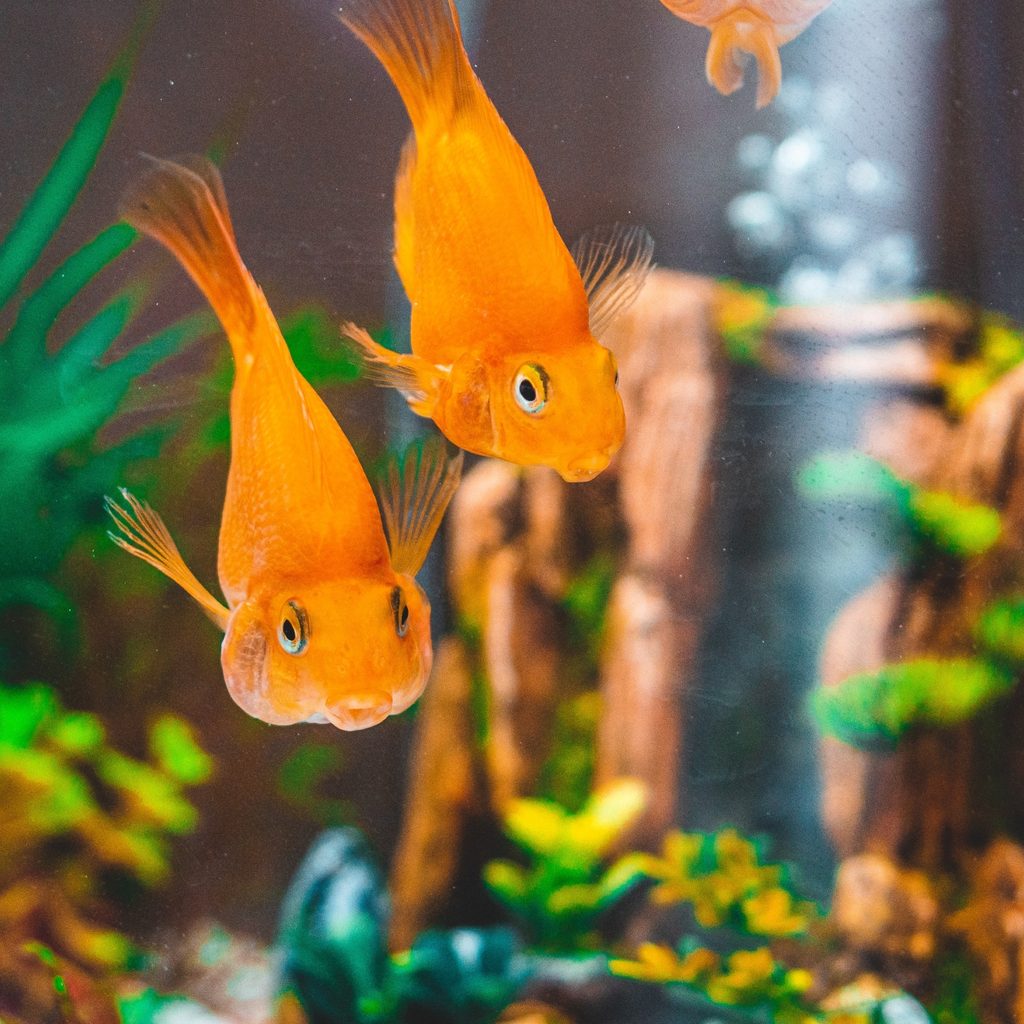
Many new aquarium owners make the well-meaning mistake of leaving their fish tank’s light on all the time. This wastes electricity and isn’t great for the fish. In general, you should light your fish tank on a schedule that mimics day and night.
Experts recommend turning your lights on and off in a 12-hour cycle. In other words, give your fish 12 hours of light and 12 hours of darkness.
Control algae growth
Algae growth is encouraged by bright lights and the nutrients in your fish tank’s water. This is almost always worse when you first set up the tank, but it can occur later, too. If you have an algae problem, the first thing you’ll want to consider is whether it’s due to your lights’ brightness.
Invest in a light timer
You don’t want to have to worry about your fish tank’s lighting when you’re not home. A light timer is a great investment in peace of mind. Your fish can get the light cycle they need even if you’re busy or not around.
Think about the kind of aquarium you’re creating
As you can see from these tips, getting the right fish tank lighting isn’t that hard; you just need to think about what kind of fish tank you want to create and what color light will make your tank inhabitants feel most at home.