
When you bring something as adorable as a hamster into your home, you intend to give it the best possible care. Of course, it can be very stressful and upsetting when your companion is under the weather and you’re left to guess what could be the matter. If you want to know if a trip to the vet is necessary, it's important to learn the basics. This includes the most common hamster ailments, symptoms to look for, effective treatments, and helpful preemptive care. In the case of hamsters, you can avoid many potential health hazards when you provide a proper environment. Of course, you should always consult a professional veterinarian in the event of extreme sickness.

What are the most common ailments?
Some hamster ailments are not entirely unlike human illnesses. Hamsters can come down with colds, diarrhea, constipation, mange, and runny eyes. Although little hamster sneezes might sound very cute, they are a red flag that merits attention. While in some cases illness can’t be avoided, you can take preliminary measures to decrease the chances of physical harm or pain.
Here are the most common hamster ailments:
Fleas and lice: Can be a nuisance, as with any furry animal.
Lumps: Should be screened by a vet.
Paralysis: Often stems from a lack of exercise, a vitamin deficiency, or a spinal injury.
Wet tail: A bacterial illness that can cause severe diarrhea and/or constipation. Stressful changes can amplify cases of wet tail. Unfortunately, it can often prove fatal if left untreated.
How to tell if your hamster is sick
There are several telltale signs that your hamster may be unwell. These steps can help you narrow down the symptoms so you can better care for your pet.
Step 1: Check physical appearance.
If you’re unsure about the symptoms of a sick hamster, the first thing to check is their physical appearance. Key signs include loss of fur, bumps, warts, swelling, or unusual discharge.
Step 2: Look for unusual behavior.
Sensitivity to light or limitation of movement can indicate a problem. In addition, sudden drops in energy or increased hostility can signal that all is not well. Behavioral indicators can also include dysfunctional bowel movements. To best gauge behavioral changes, it's important to observe your hamster daily to understand their typical habits.
Step 3: Watch for digestive upset.
Excessive diarrhea or constipation and unusually hard stool are red flags that a possible digestive issue may be occurring.
Are there effective home treatments?
There are certainly ways to address health problems at home. If you have more than one hamster, you’ll want to separate the one that seems to be unwell from the group. Particularly with dwarf breeds, a sick hamster within a group can spread stress and bacteria if left unchecked. In fact, stress itself is a major amplifier of hamster maladies since it rapidly lowers their immune systems. Some methods to reduce your hamster’s stress levels include warming them up and ensuring a balanced diet with plenty of fresh water.
If there is a possible environmental hazard, such as bad bacteria, insects, or germs, make sure you clean their home thoroughly. This means changing their bedding and sanitizing all surfaces. Avoid using bleach and use soap and water-type cleaners instead. Record any and all symptoms as they happen, particularly all departures from normal behavior. And of course, if these actions do not reduce or help the issue, don’t wait to bring your hamster to a licensed veterinarian for an examination.
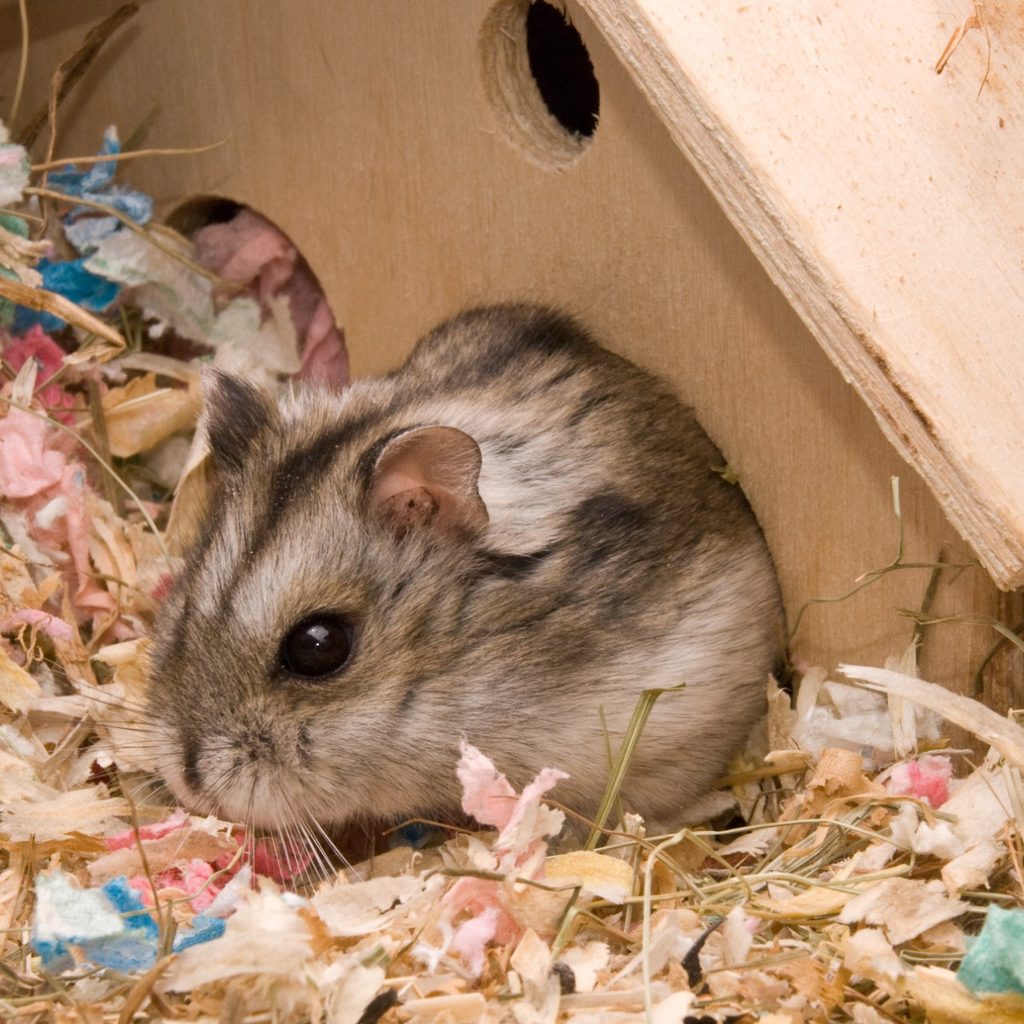
What are the best daily practices to maintain my hamster’s health?
There are several basic rules of thumb for optimal hamster care.
Always feed your hamster from a dish. This minimizes accidental consumption of bedding, which can be hazardous.
Change their food daily. Only about 20 percent of their daily food intake should be small pieces of fresh fruits and vegetables; any more than that could cause digestive issues.
Offer chewing toys or blocks. These are effective and inexpensive, and hamsters love 'em.
Keep their cage clean. Changing hamster bedding can be a monthly practice, although you should clean the cage weekly. Their bedding should be composed of natural materials.
Make sure they get exercise. Keep in mind that hamsters need daily exercise.
Hamsters are able to groom themselves, which is convenient and effective. Annual health-care visits are typically all that’s needed In terms of veterinary visits. It's important to provide your hamster with an environment that features ample space as restricted movement is very damaging for all small rodents.
Hamsters are wonderful pets. Known for being self-content, cute, and calming creatures, these cuddly little buddies make pleasant companions with the proper care. As with any pet, proactive maintenance and daily monitoring help your hamster stay in peak condition. To tell if your hamster is sick, look to their physical condition and behavior for indicators of an issue. Refer to a professional vet for a more thorough evaluation when in doubt.


