Does the mere thought of leeches make you cringe? If yes, you’ve got plenty of company among aquarium hobbyists who freak out if they see these creepy parasites attached to fish in their tanks. Luckily, according to aquatic specialists, leeches aren’t a common intruder in tanks with captive-bred fish.
What exactly are leeches?
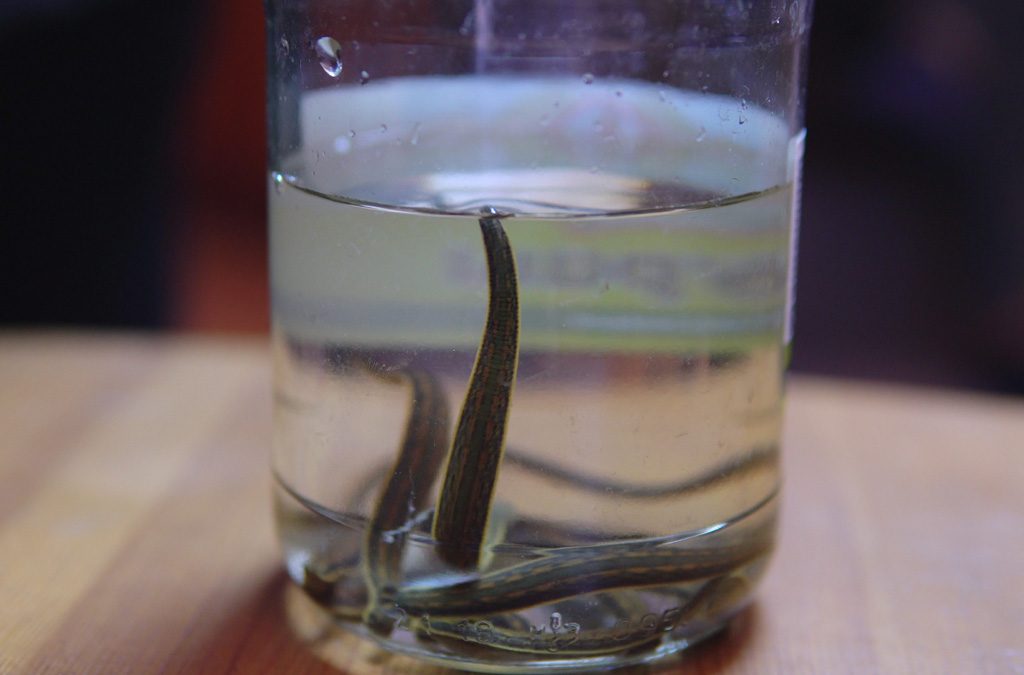
Leeches are annelid worms closely related to earthworms. They can be white, gray, or brown. While most live in freshwater, a few species can be found in saltwater. Aquarium leeches mostly hide in the substrate or cling to stones or plants. They typically feed at night, so you’ll likely not see them during the day.
Why are there leeches in my fish tank?
There are several ways that leeches can get into your fish tank.
- New fish or plants introduced to your tank can be hosts to leech eggs that will then hatch out in the tank
- Using pre-owned aquarium equipment that’s hosting leech eggs
- Leeches can be present in live food caught from leech-infested water
Are leeches bad for my fish?
Leeches are parasitic bloodsuckers that will attach themselves to the side of fish or the inside of their mouths or gills. According to Encyclopaedia Britannica, leeches have three jaws set with sharp teeth that make a Y-shaped incision when they bite into flesh. The leech’s saliva contains substances that anesthetize the wound area, dilate the blood vessels to increase blood flow, and prevent the blood from clotting. Experts at PetMD say that symptoms a fish might be infected with leeches include:
- Lethargy due to anemia
- Pale gills
- Redness surrounding the affected area
- Fish may rub against objects in an attempt to remove the leeches
Small leeches aren’t easy to spot on fish according to aquatic veterinarian Jessie Sanders in an article published by The Spruce Pets. She advises hobbyists to pay attention to any raised, black lines on fish. This may be a normal coloration or the result of a wound but could also be a tiny leech. When in doubt, Sanders recommends having a fish veterinarian take a look.
How do I get rid of leeches in my aquarium?
Here are a few ways to help rid your aquarium of leeches.
Manually removing
If you notice a leech on one of your fish, Sanders recommends removing it as soon as possible with tweezers. If you’re not confident about doing this, you should reach out to a veterinarian for help. According to Sanders, a fish veterinarian will safely capture and sedate your fish for easy leech removal. The vet will also examine the sedated fish for additional leeches that may be hiding in cavities.
Leech traps
There are a variety of leech traps on the market for aquariums. For example, the Fantastic_008 Leech Trap has a 4-star rating on Amazon. One happy customer reports that she baited the trap in her 10-gallon tank with Hikari carnivore pellets and attracted more than a dozen leeches within half an hour.
Siphoning the leeches
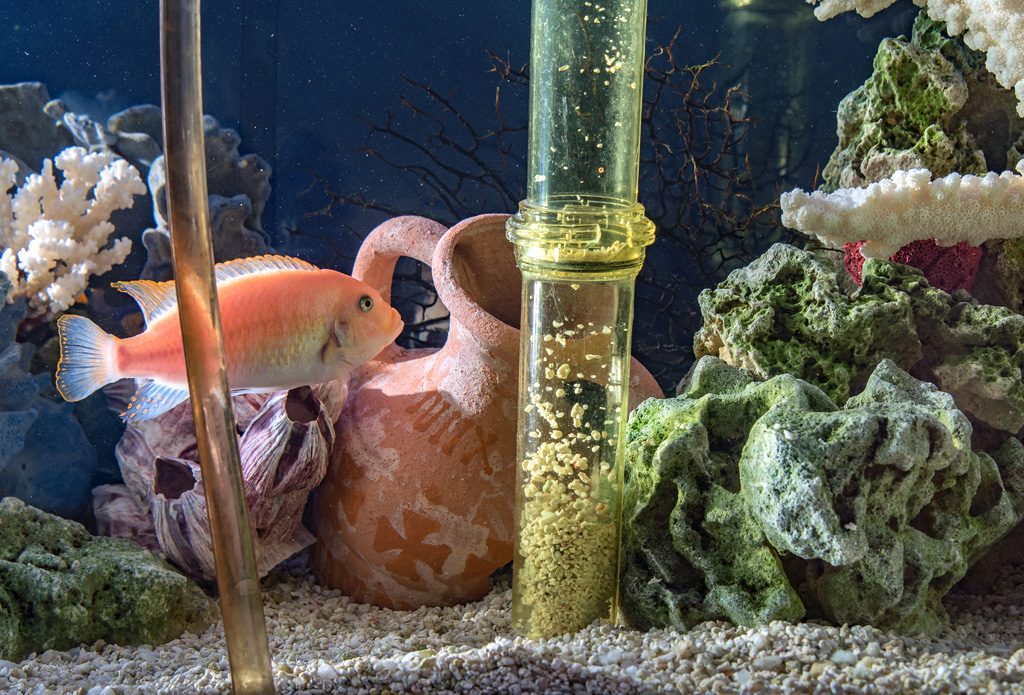
Depending on the type of leeches in your tank, vacuuming the gravel may help remove them.
Discussions about leeches on fishkeeping forums recommend different solutions for ridding the tank of these parasites including using salt, copper mixed chemicals, and bleach. It’s always safest to reach out to a veterinarian for advice before adding any chemicals to your fish tank. Depending on the product, it could negatively impact the fish or invertebrates in your tank.
Finally, nobody wants to see leeches in their aquarium. Prevention is your best line of defense. Sticking to a regular maintenance schedule will help keep the aquarium clean. Also, quarantining any new fish or plants will allow you to monitor them for problems before introducing them to your tank. Going the extra mile will give you peace of mind knowing you’ve done your best to keep your fish safe and healthy.