Ask any saltwater aquarium enthusiast what they love about the hobby and their eyes light up as they describe the amazing colors and shapes of their saltwater fish. Many also express pride in successfully creating a closed and balanced ecosystem inside their home where fish and plants can thrive. One of the best ways to do this is to include live rock in a saltwater aquarium, according to experts at ARC Reef, a state- and federally-licensed facility that promotes sustainable aquaculture.
What exactly is live rock?
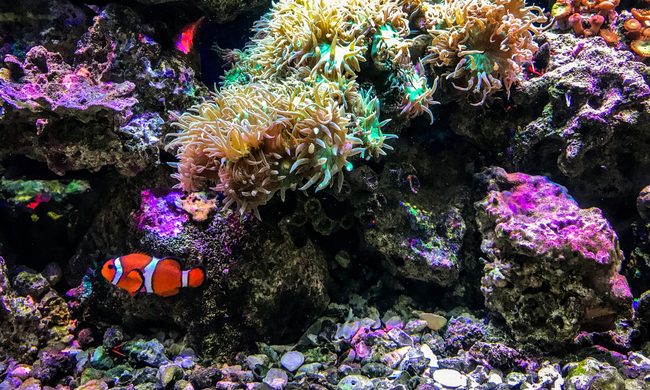
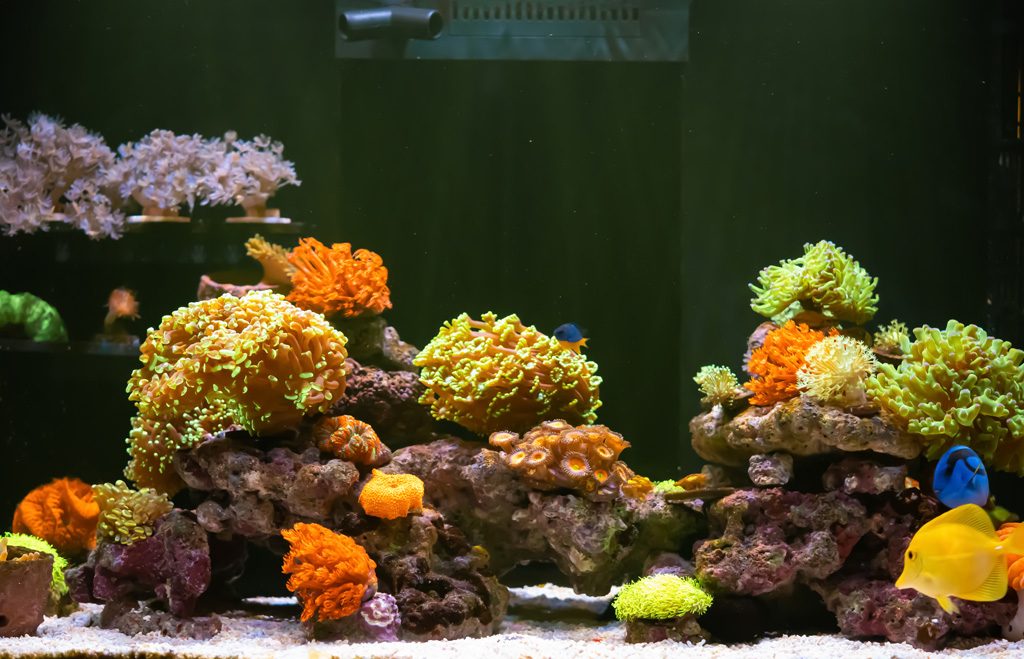
Live rock is the name given to rock and reef structures that act as hosts to marine organisms living on or within the rock. According to marine life experts at ARC Reef, live rock is usually comprised of calcium carbonate but it can be made of many different materials including synthetic substances, concrete, and dead corals. It serves as the foundation for natural coral reefs in the ocean and makes a wonderful foundation for home aquariums, according to ARC Reef experts.
What does live rock do for a saltwater aquarium?
The microorganisms on live rock, including hundreds of species of bacteria and plankton, feed on algae and fish waste which helps maintain a natural healthy environment inside the aquarium. Beneficial bacteria, sea urchins, snails, sponges, and purple coralline algae are just a sampling of the life you might find on quality live rock, say experts at ARC Reef. These could be visible on the rock at the time of purchase or might emerge over weeks or months after placing the rock in your aquarium.
Here are some of the main benefits of adding live rock to your aquarium:
- It provides biological filtration that’s critical to the health of saltwater fish.
- It provides a foundation site for corals and other invertebrates in a reef aquarium.
- Encrusting organisms provide a healthy, natural food source for foraging and grazing fish.
- It provides protection and shade for fish.
There are some drawbacks to adding live rock to your aquarium. There’s a danger of uncured live rock introducing large amounts of ammonia, nitrite, and phosphate into your tank which can kill the fish. Experts recommend buying cured live rock from a local fish store or wholesaler so you can see the rock before purchasing. When in doubt, reach out to members of your Reef Aquarium Club for reputable sources when purchasing live rock. Some hobbyists also worry that live rock will introduce pests such as mantis shrimp and fireworms into their tanks. In a Reef Builders podcast, marine aquarist Mark van der Wal says, “…the benefits of using live rock in an aquarium far outweigh the risks of harmful pests or algae.”
Is live rock necessary in a saltwater aquarium?
Saltwater aquariums are delicate ecosystems that require a great deal of care and maintenance to keep them healthy. While live rock helps greatly in maintaining a healthy balance, you can keep a fish-only tank. As with any aquarium setup, you’ll need to maintain proper water parameters and make sure you run an efficient filtration system.
When can I put live rock in my saltwater aquarium?
Live rock needs to undergo an acclimation and curing process before being placed in a tank with fish, invertebrates, or coral. Aquarium professionals at Petco offer the following guidelines.
Curing rock for a new aquarium set up without fish
This process could take up to four weeks.
- Set up your new aquatic system according to the manufacturer’s instructions and set the water temperature to 74 to 80 degrees Fahrenheit.
- Rinse the live rock in a small bucket of saltwater, making sure that loose organic matter is rinsed away.
- Arrange the live rock in the new aquarium and keep the lights off to help reduce algae growth.
- A 50% water change will need to be performed weekly during the curing process. Make sure to siphon out organic matter and debris from the bottom of the tank. Scrub the rock with a nylon brush to remove any buildup of dead material.
- Check the ammonia and nitrite levels weekly until both reach zero.
- Perform another 50% water change and wait 24 hours before adding your fish.
Adding live rock to an established aquarium with fish
As already mentioned, live rock must always be cured before adding it to your aquarium.
- Place the live rock in a large plastic container with drains.
- Immerse the live rock in a circulating saltwater mixture and keep the temperature close to 80 degrees Fahrenheit using a submersible heater.
- Keep the container in a dark area to prevent algae growth.
- Change the water completely twice a week and scrub the live rock with a nylon brush to remove any dead material.
- When the ammonia and nitrites test at zero the live rock can be placed into the aquarium.
There are many different ways to cure live rock so when in doubt always reach out to experts at your local fish store or saltwater aquarium club.
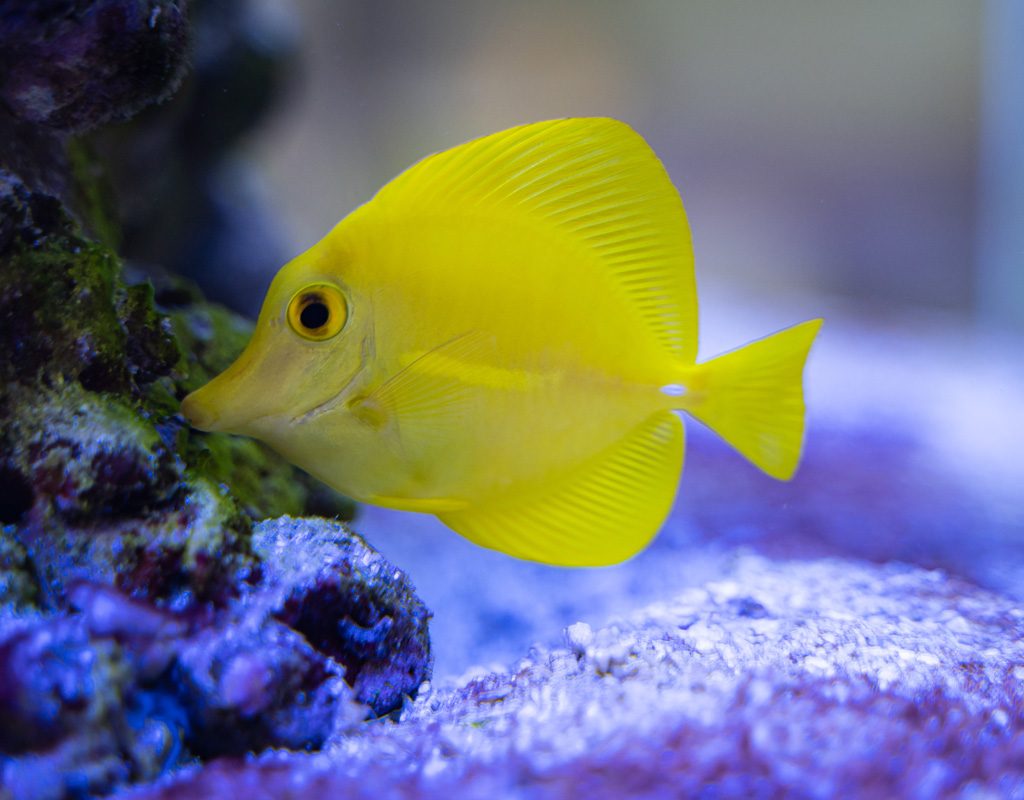
On a final note, while it’s true that live rock isn’t cheap, marine life experts and longtime hobbyists agree that it’s well worth the investment. If your goal is to replicate what you see in nature inside your fish tank, the live rock will help you to do this. And best of all, adding live rock to your saltwater aquarium will make the environment more exciting and interesting for your fish.