There’s no such thing as “no-maintenance” when it comes to birds. Let’s get that out of the way right now. But we can say that some birds aren’t as high maintenance as others.
In other words, some birds don’t make as much of a mess. Typically, these are smaller birds with smaller cages and easier to clean up after.
It’s not all about the mess, though. Some birds need a lot of attention paid to them, whether from other birds or their human companions. Other birds are quite content to sit by themselves as long as they have something to occupy their attention, such as a toy or a mirror.
In this article, we’ll go over six things to keep in mind when looking for a low-maintenance avian sidekick.
Canaries
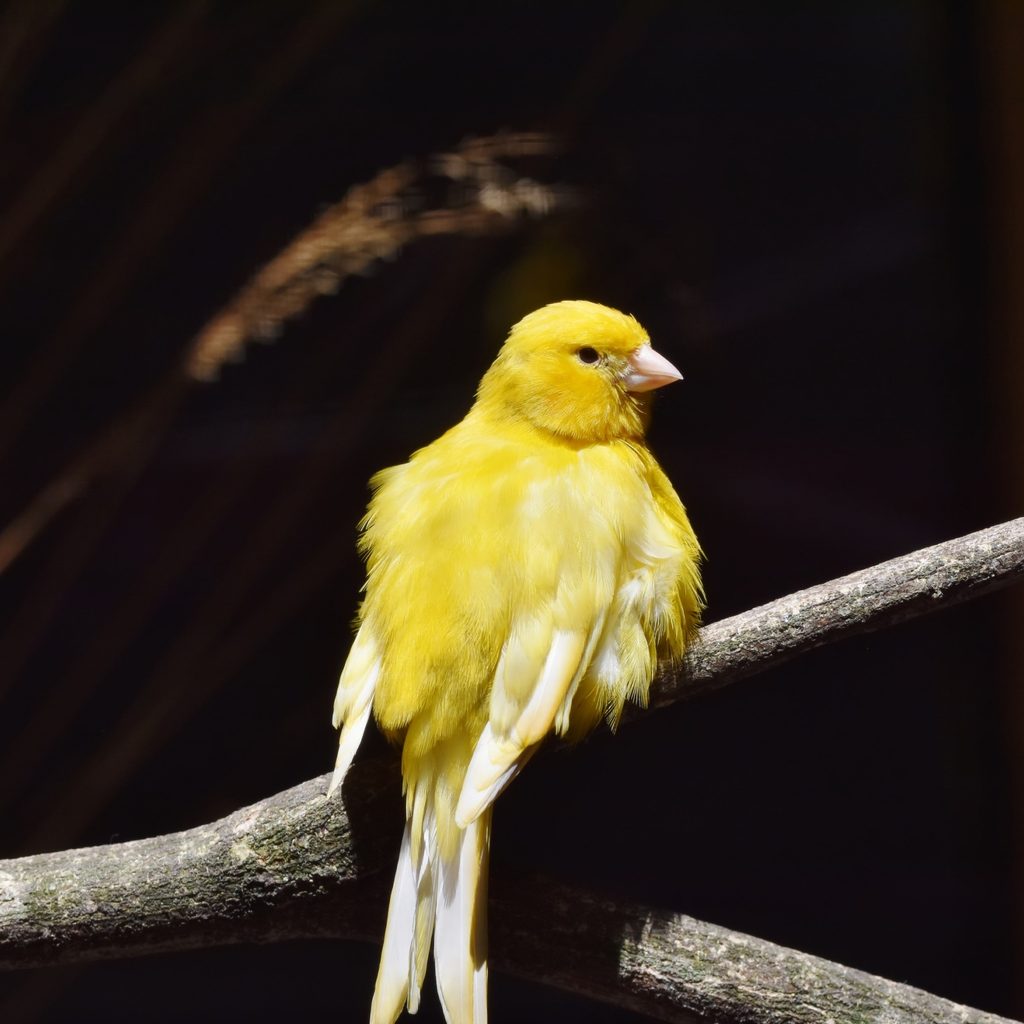
Canaries are an excellent choice for people who have never owned a bird before. First of all, they’re not demanding pets, and they’re relatively cheerful when you have more than one. Secondly, they’re not expensive and can be bought at most pet stores.
Canaries come in a wide variety of colors, sizes, and songs. In general, you’ll find that most canaries are bright yellow, but you can also find them with white, red, or orange feathers.
These lovely little birds need a cage large enough that they can flit from here to there, some toys, and a healthy diet. Provide that, and you’re good to go!
Cockatiels
Cockatiels are another species of low-maintenance birds. They’re also quite popular, since they’re actually small parrots and are considered friendly. They have a head crest and different color patterns on their feathers.
Cockatiels tend to be somewhat small. Experts consider them easier to tame than other parrot species. One cool thing about cockatiels: You can teach them to mimic human speech, and they can learn to memorize and sing specific tunes!
When it comes to care, cockatiels need you to take them out of their cages for a few hours every day. They definitely need a bit of interaction with their human companions. That said, you can leave them to themselves for most of the day as long as you’ve given them a plaything.
Doves
Many people feel the soft cooing of doves is actually calming. This relatively quiet bird doesn’t require a lot of one-on-one interaction with their human owners. Doves are just fine playing by themselves, although they do enjoy occasional attention.
Doves are a bit larger than other birds on this list but are not considered large by any means. You’ll need to ensure that they have access to sunlight or provide them with a UV light because it’s easy for them to become deficient in vitamin D. They also need a few hours of out-of-cage exercise and, of course, a healthy diet.
Finches
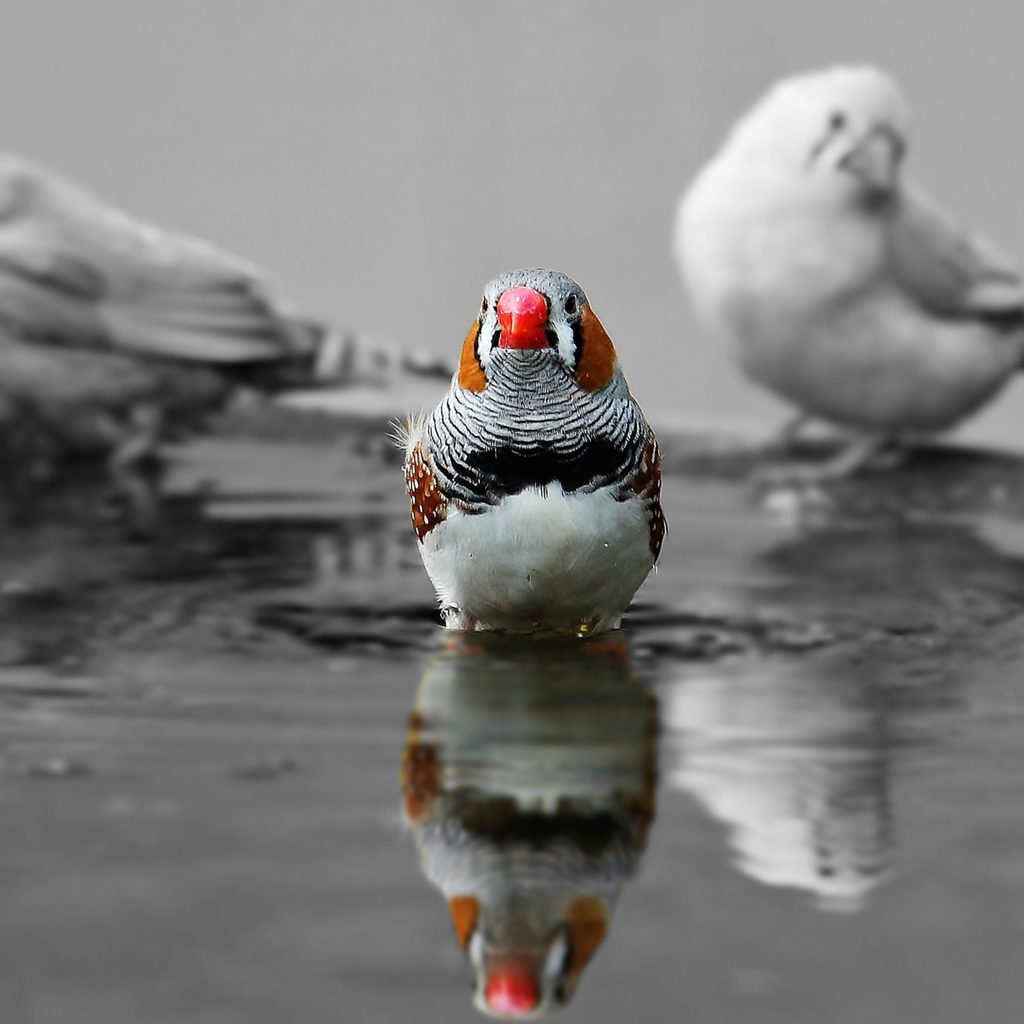
If you want pretty birds that don’t require much attention, finches would be a good choice. These birds are mostly hands off. However, they’re quite social, so buying a group of them is best for their state of mind. Finches also need a larger cage because they like to fly around.
Beyond that, all you have to provide them are the essentials: food, water, and a clean cage. Set them up right, and you’ll be able to enjoy watching your finches quietly chirp and play together!
Lineolated parakeets
This parakeet is named for its barred markings or fine lines. These members of the parrot family are widely known as “linnies.” Linnies are known for their quiet, calm demeanor and like to be handled. Many people feel this makes them an ideal pet.
Lineolated parakeets are sometimes mistaken for another bird called a budgie. But linnies are stockier and more likely to fly or walk around their cages than budgies. Additionally, linnies are fond of bathing and playing in the water.
A benefit of owning a lineolated parakeet is that they’re small. Their cages can therefore be smaller, and the birds don’t make a huge mess. But linnies are social creatures, so it’s best to have a few of them together. Make sure to get a cage that won’t crowd them.
Lovebirds
These compact birds are called lovebirds for a reason. Interestingly, they emotionally bond to a specific person or to another bird. They enjoy spending time with whomever they’ve chosen as their “mate.” This can, however, sometimes lead to problems with jealousy. Lovebirds can act out aggressively toward other birds or pets (including dogs and cats) if they think your attention is going elsewhere. If you’d like to avoid the issue of jealousy altogether, plan on buying a pair of lovebirds that have already bonded with each other.
Like other birds on this list, lovebirds don’t make a huge mess, which means fast, easy tidying up for you. One tip: Make sure to buy them some safe bird toys to chew on!
All the birds on this list would make good pets for first-time bird owners. They’re all low maintenance, don’t need a huge space, and enjoy interacting with their human friends. Some may even learn to talk to you or warble a favorite song!