To be healthy and happy, your hamster needs bedding that he can burrow into. Bedding absorbs urine and gives your hamster a soft, safe surface. But finding the best hamster bedding can take time, especially if you’re new to owning a hamster.
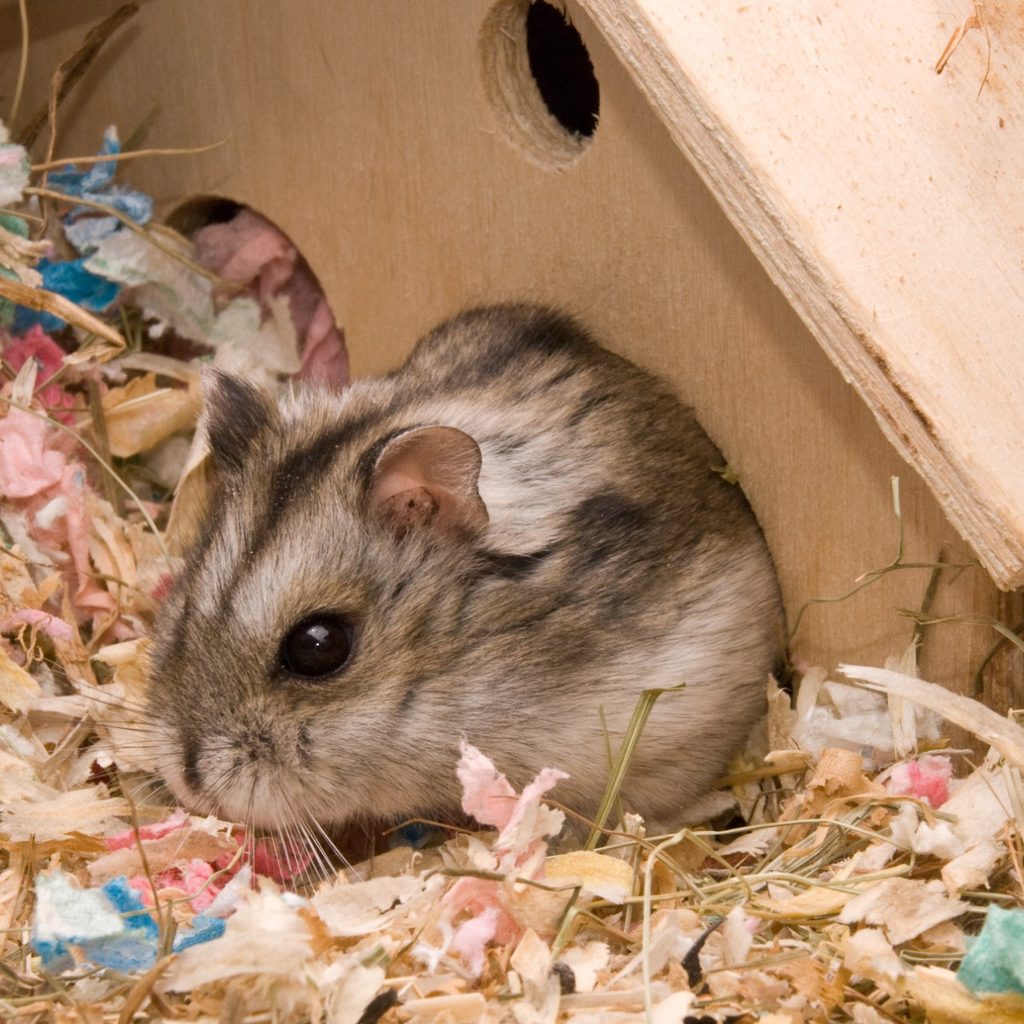
Best hamster bedding
While it’s sensible to look for cheap hamster bedding options, it’s just as important to ensure that you’re buying a product that’s also safe for your little guy. The following bedding types are not only affordable but also pet-friendly and available at stores and online retailers.
Aspen shavings
Wood shavings are probably the most widely used type of small-animal bedding available. Shavings are a great, cheap hamster substrate, and when you buy a larger package, you can get even better value.
It’s important to use the right kind of shavings, though. Pine and cedar are not safe for hamsters. These shavings are typically harder and can splinter off, harming your pet. They can also irritate your hamster’s lungs.
Instead, use aspen. They’re safe for hamsters, and while they’re not super soft for burrowing, you can pair them with some soft bedding material for your hamster to make a nest with. Kaytee All Natural Aspen Bedding is great for hamsters and contains no oils or inks. It’s processed to remove extra dust and debris, so it’s a healthy choice for your pet.
Paper litter
Shredded paper can make a safe hamster bedding. If you’re going to use shredded paper, make sure it’s ink-free, as ink can be toxic. Instead, use paper towels or plain paper. Many hamsters enjoy burrowing into soft paper towel shreds. Traditional paper can get smelly, though, so you’ll need to regularly clean your hamster’s cage.
If you don’t have time to find and shred paper, consider using Carefresh Small Pet Bedding. This bedding is made of natural paper fiber that’s twice as absorbent as traditional wood shavings. It’s soft and comfortable, and its odor-control properties help suppress stinky ammonia smells for up to 10 days.
Timothy hay
Timothy hay can double as a bedding and as a snack. It’s included in many hamster food formulas, so if your furry friend decides to eat breakfast in bed, he can safely ingest this floor cover. This hay isn’t as absorbent as some of the other bedding options, but it can make a soft nest and is ideal for hamsters who love to burrow into their beds. Timothy can also be a cheap hamster bedding, especially if you can buy a bale from a local farmer.
Types of bedding to avoid
While there are plenty of safe hamster bedding options available, there are some products on the market that you should avoid using.
Scented beddings
Scented beddings are intended to cover up some of the odors that come with owning a hamster, but they can be too strong for your little pet’s sensitive nose. These scented beddings are full of artificial chemicals, which can lead to respiratory issues for your hamster. While it might seem like a good idea, you’re better off buying a safe bedding and keeping odors down by regularly cleaning your hamster’s cage.
Cat litter
Some hamster owners use cat litter as bedding, but this can also come with potential problems. When used as a base, plain cat litter pellets can help reduce odors. It’s important to top it off with plenty of soft bedding that your hamster can burrow into. Be sure to avoid using scented and clumping cat litters — if your hamster ingests or fills his cheek pouches with clumping litter, it can cause blockages and even kill your pet.
Fluffy bedding
Fluffy bedding might sound appealing, and it’s sold in many pet stores. Unfortunately, this bedding, which is sometimes marketed as nesting material, can pose a serious risk to your hamster’s health. Fluffy bedding is often made with artificial fibers that can cause internal blockages if eaten. Hamsters can also get their limbs tangled, potentially injuring themselves.
Pine and cedar shavings
As mentioned earlier, you should also avoid using pine or cedar shavings. They’re sharp and can cause bronchial irritation.
How to DIY bedding at home
As we mentioned, you can certainly invest in commercial hamster bedding, especially if you’re able to buy in bulk or online for cheap. However, it might wind up being less expensive or easier to try making it yourself. Shredding paper or tissue by hand certainly works, though, we recommend using a shredder if you have one around. Be careful not to let any lubricant or other chemicals get on it. One last option is to cut up strips with scissors or a paper cutter, making sure they’re small enough. Some experts recommend dipping in water to make a soupy layer of bedding for your little guy.
Frequently asked questions about hamster bedding
- How much bedding should your hamster have? Hamsters love to dig and tunnel, so as long as you’re buying one of the hamster-safe materials above, the more the merrier.
- How often should you change your hamster’s bedding? Dirty bedding should be scooped out every day, but you should change out all of it on a weekly basis. Clean the entire habitat monthly.
Bedding plays a major role in your hamster’s health and comfort, but it doesn’t have to be expensive to be safe and good for your pet. You can find plenty of safe and cheap hamster bedding options at your pet store or online retailers. Some hamsters prefer different types of bedding, so you may want to experiment with a few kinds, or even a combination, to find the bedding that works best for your pet.