As exciting as a new pet can be, being prepared for your new addition should always come first. Before you bring home your new turtle, you should be knowledgeable about and comfortable with feeding and cleaning up after your pet. When it comes to caring for new turtles, the requirements are rather different than the kind you would expect to give a dog or cat, so you might have to find some reptile-specific resources to help you on your journey.
On the whole, turtles are quite diverse. Some live in the water, while others prefer to spend most of their time on land. Dietary and environmental needs vary greatly, so you’ll have some research and observation to do to determine the best habitat for your pet. Luckily, we’re here to help, and we’ll break it all down for you.

What do turtles eat?
Firstly, it’s important to know what species of turtle you’re bringing home. Different species have very different diets, so no one suggestion would cover all turtle species. You’ll need to learn whether your turtle is herbivorous — meaning it eats only plants — or omnivorous, which means it consumes both plants and meat. Feeding your turtle the wrong diet can result in health problems, nutritional deficiencies, or a turtle who just won’t eat!
If you have a red-eared slider turtle, you’ll want to feed them a combination of commercial turtle pellets, insects or fish meant for reptile consumption, and fresh fruits and veggies. Veterinarians recommend that pellets and animal protein each compose 25% of your pet’s total diet, while produce makes up the rest. This diet is typically the baseline for omnivorous water turtles such as the red-eared slider, painted turtle, and others.
In the wild, land turtles (such as the box turtle species) get their protein from slightly different sources. Without small fish nearby in ponds or lakes, land turtles prefer insects such as worms, crickets, and mealworms. Box turtles should have an even amount of plant and animal products in their diet, though different breeds of box turtles have even more specific needs. Typically, box turtles under the ages of 4–6 will be primarily carnivorous, while older turtles will consume significantly more plant material (via VCA Hospitals).
Dark leafy greens are a highly recommended source of vitamins for your turtle. You can also purchase species-specific supplement powders (calcium is especially important) or pellets enriched with the nutrients your turtle needs. Always double-check with your vet when bringing home and feeding a new turtle.
What environment do turtles need?
For most water turtles such as the painted turtle and the red-eared slider, a 30-gallon aquarium tank is the smallest size you should consider. These species need enough space to eat and explore on land, swim in the water, and enjoy a variety of temperatures throughout the tank. To enable this, it’s recommended to heat one side of your pet’s enclosure with a UV lamp, which also lets you control the amount of “daylight” your turtle gets — about 12 hours is suggested (via PetSmart).
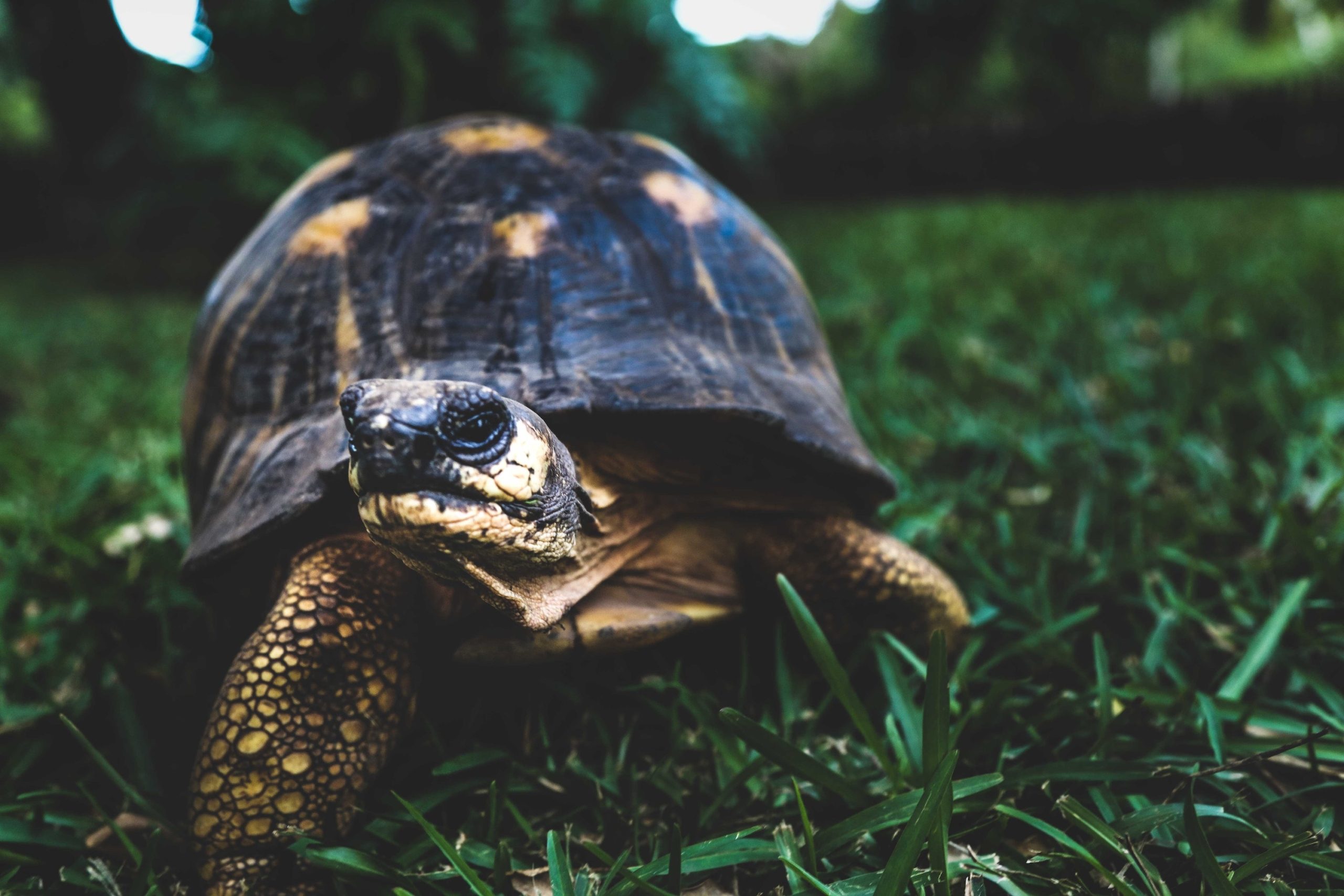
For land turtles, such as the box turtle breeds, you can use either an aquarium tank or an outdoor enclosure. If outdoors, make sure to include a secure top that keeps your turtle in and other animals out. Box turtles like to burrow, so giving your pet an inch or two of animal-safe bedding — even shredded newspaper or straw is fine — is also recommended (via VCA Hospitals). They’ll climb and hide, too, so your turtle will appreciate a few branches, plants, and toys to keep them entertained. Land turtles also need a heat source on one side of the tank to help regulate their body temperature, even if their enclosure is outdoors.
What health problems can turtles have?
Turtles are surprisingly sensitive to their environment, but with proper care, they will thrive in your home for years. Feeding them a diet meant for their breed is your safest way to ensure your pet stays healthy, though factors such as light and temperature also play a role. In colder temperatures, some turtles’ bodily functions slow down to induce hibernation (called brumation in reptiles) — in fact, box turtles can even survive being frozen over in this state. While this technique is helpful in the wild, it can cause health complications in captivity. Your vet is the best person to ask when trying to decide whether you should let your turtle brumate this winter.
Children, the elderly, and those with compromised immune systems should be extra careful when handling turtles because they carry salmonella. While the bacteria doesn’t harm the animals who carry it, it can easily be transferred to humans through contaminated feces, causing grave health effects (via FDA). Proper hygiene, such as handwashing, should always be practiced when handling turtles (and in general!).
Without proper nutrition, turtles are susceptible to irregular shell growth or even metabolic bone disease. By the time this issue has developed into anything noticeable, such as a soft, lumpy, or asymmetrical shell, the issue has become severe enough to need a vet’s input (via VCA Hospital).
In general, it’s never a bad idea to contact your vet if your turtle has any unexplained change in appearance or behavior. Even when bringing home a new pet, you should always schedule a checkup as soon as you can. Many turtles even outlive their owners, so it’s important to stay educated about your turtle’s needs to build a caring relationship that will last as long as you do.