World Pet Obesity Week is in the fall, so it’s the purrfect chance to get your kitty on a diet to slim down in time. According to a survey conducted by the Association for Pet Obesity Prevention (APOP), roughly 61% of cats and 59% of dogs in the U.S. alone are overweight or obese. While few things are more adorable than a chunky cat, obesity in cats comes with a multitude of health risks.
Have you been wondering if your cat needs to lose a few pounds? We’re here to share how you can tell if your cat is obese, the potential health problems caused by cat obesity, and five helpful things you can do to help them lose weight.
What causes obesity in cats?
The main cause of obesity in most cats comes down to an excess in caloric consumption and a sedentary lifestyle. Many of us have tried fad diets and health foods that taste like cardboard covered in chalk, and most of us have failed to maintain our weight-loss goals for any length of time. It’s hard for cats, too! Luckily, you have the keys to the cupboard and can help her shed a few pounds safely. If your cat is in a calorie deficit — meaning she burns more calories than she consumes — she’ll be able to lose weight and keep it off.
However, there are contributing factors to weight gain, ranging from unexpected pregnancy to illness. Weight gain and difficulty losing weight are potential side effects of certain medications. Spayed and neutered cats may gain weight and have a difficult time losing it, too. Certain illnesses, such as hypothyroidism and Cushing’s disease (also called feline hyperadrenocorticism), slow the metabolism and lead to weight gain. If your cat suddenly puts on weight despite her food and activity levels remaining constant, it’s time for a trip to the vet.
What breed of cat is more prone to obesity?
Why obesity is dangerous
While a chubby-cheeked feline is undeniably cute, obesity increases your cat’s risk of developing a chronic disease. Even more unsettling, obesity raises your cat’s risk of mortality 2.8 times. If your cat is obese, she’s at risk of developing one or more of the following conditions:
- Osteoarthritis
- Urinary bladder stones
- Decreased heat tolerance
- Cancer
- Skin conditions
- Weakened immune system
- Hypertension
- Heart disease
- Diabetes mellitus
- Hepatic lipidosis
Although larger breeds weigh more, the average cat comes in at 7.9 to 9.9 pounds. If a cat weighs 10%–20% more than average, she’s considered obese. Even without knowing the exact percentage of body fat your cat carries, you’ll be able to see visual changes that indicate weight gain.
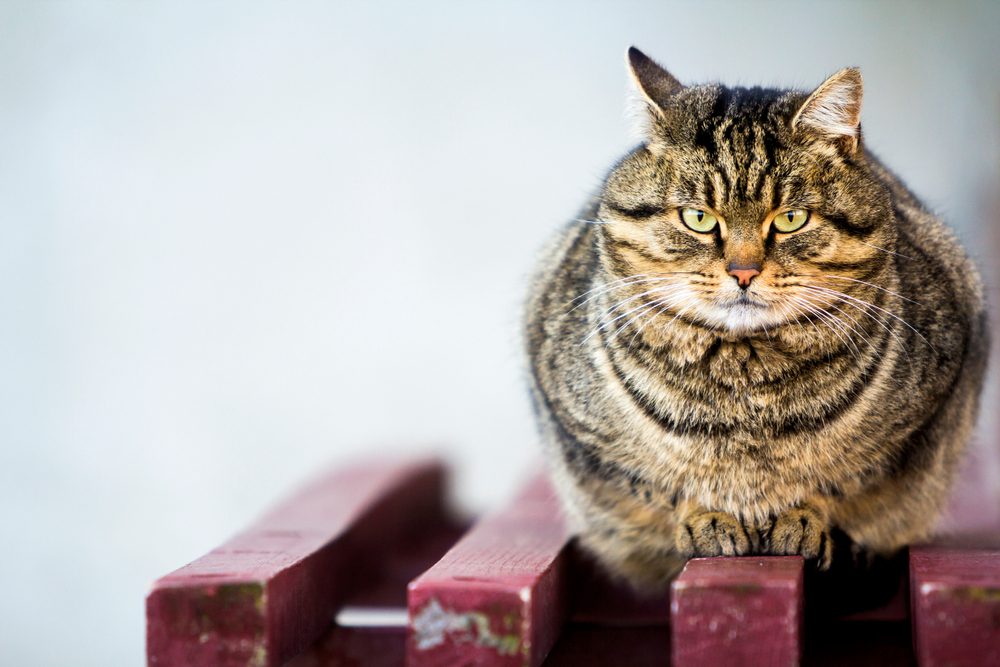
Overweight cats have soft bellies and a layer of fat over their rib cages. Obese cats begin to look extremely round and may even develop a double chin. We recommend speaking with your vet if you’re concerned that your cat might be gaining weight.
How to help your cat lose weight
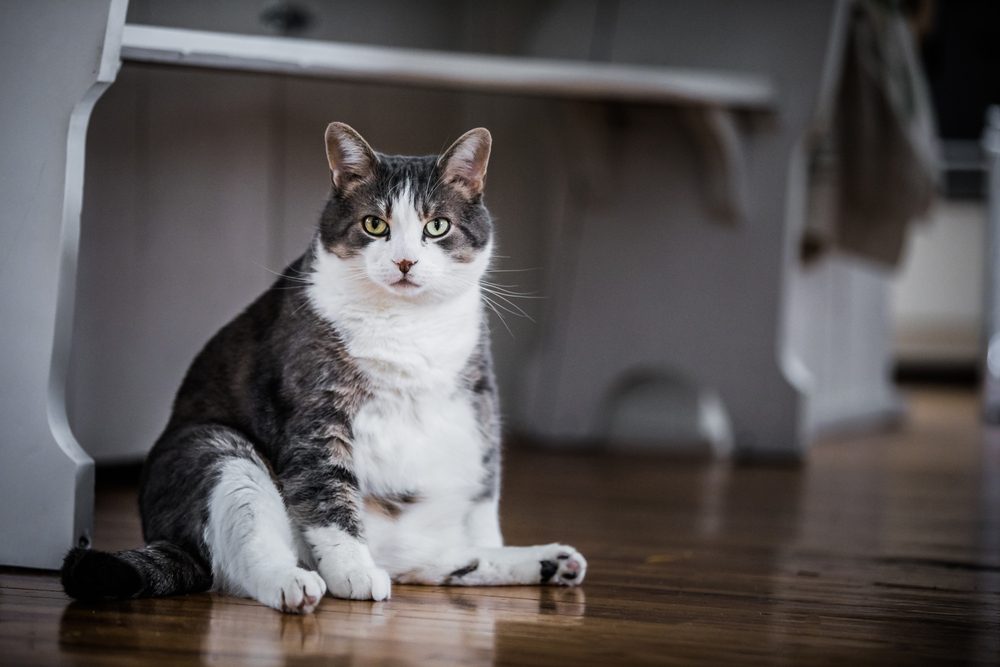
If your cat is overweight or obese, she needs to lose some of the extra before she develops a potentially life-threatening condition. Here are five ways you can help your fur baby slim down.
1. Consult your veterinarian
Before you put your cat on a diet, take her in for a checkup. She may have an underlying condition that’s causing her weight gain, so the vet will want to run tests to determine why your formerly svelte companion has packed on the pounds. Your cat doctor may also recommend a prescription diet to ensure your fur baby’s nutritional needs are being met.
2. Monitor your cat’s calorie intake
Most of us have counted calories at some point, and it’s equally effective for cats. The average indoor cat needs only 20 calories per pound of body weight. Don’t fill her bowl until it’s overflowing. Instead, feed her the recommended amount and cut back on the treats.
3. Spend time playing with your cat
Unlike dogs, who will happily run in circles for hours, cats tend to play in short bursts. Grab a laser pointer or your cat’s favorite toy and sprinkle several play exercises throughout her day. Exercise will not only give her metabolism a boost, helping her lose weight, but active cats are also less likely to suffer from depression and anxiety.
4. Make her work for her food
If your cat prefers dry food over canned, try making her work for her meal with a food ball. She’ll burn extra calories while rolling the ball across the floor to collect her morsels, providing her with mental stimulation, exercise, and a tasty meal. Food balls also reward your cat for exercising, creating a positive connection between burning calories and having fun.
5. Keep her distracted
It’s hard to say no to your cat when she’s begging for food, but you’ll have to stick to your guns. Make sure she has plenty of water to drink, which will help her feel full when she’s hungry and distract her from craving food with cuddles and playtime.
Maintaining weight loss
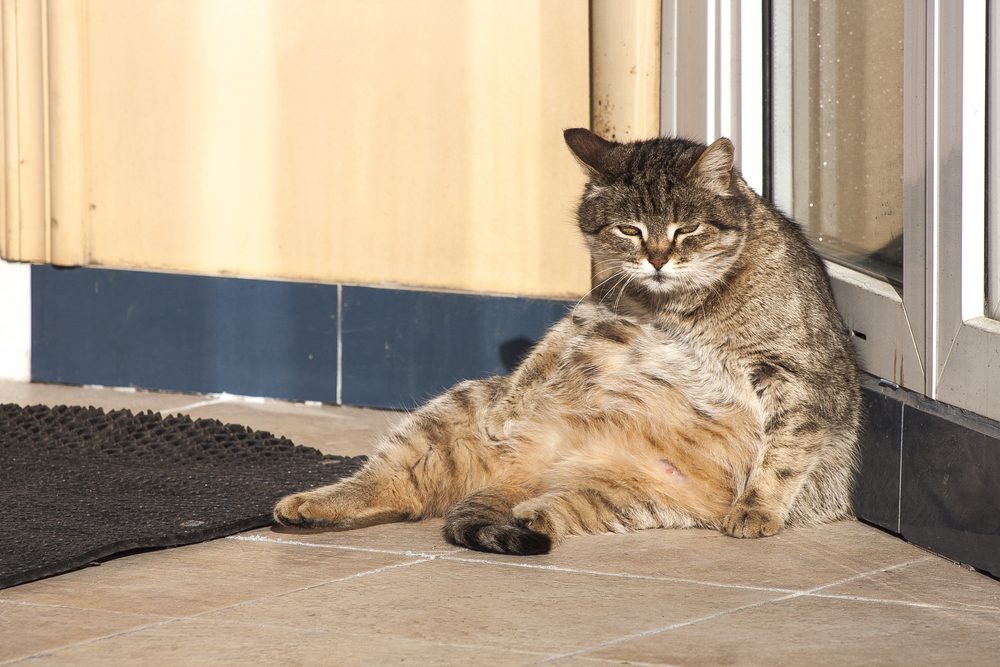
Yo-yo diets never work for us, and they won’t work for your cat. Speak to your vet about the best way to help your fur baby maintain her weight loss. (You should take your cat to the vet during her weight-loss journey to make sure you’re staying on track.) Continue to control her portions and ensure she gets plenty of exercise, take your vet’s advice, and your cat should be able to keep the weight off in the long term.


