When it comes to sleep, birds are more similar to us than almost any other pet. They aren’t nocturnal and they don’t hide or burrow when the sun goes down. You’ll be able to tuck your feathered friend in every night before hitting the hay yourself. However, also like you, birds need a quiet, dark, safe, and warm place to snuggle in for the evening and fall peacefully asleep. Study your parakeet’s sleeping habits to make sure they’re getting enough Zs, and follow these tips when necessary to help improve their rest. After all, a sleepy budgie is a cranky budgie.
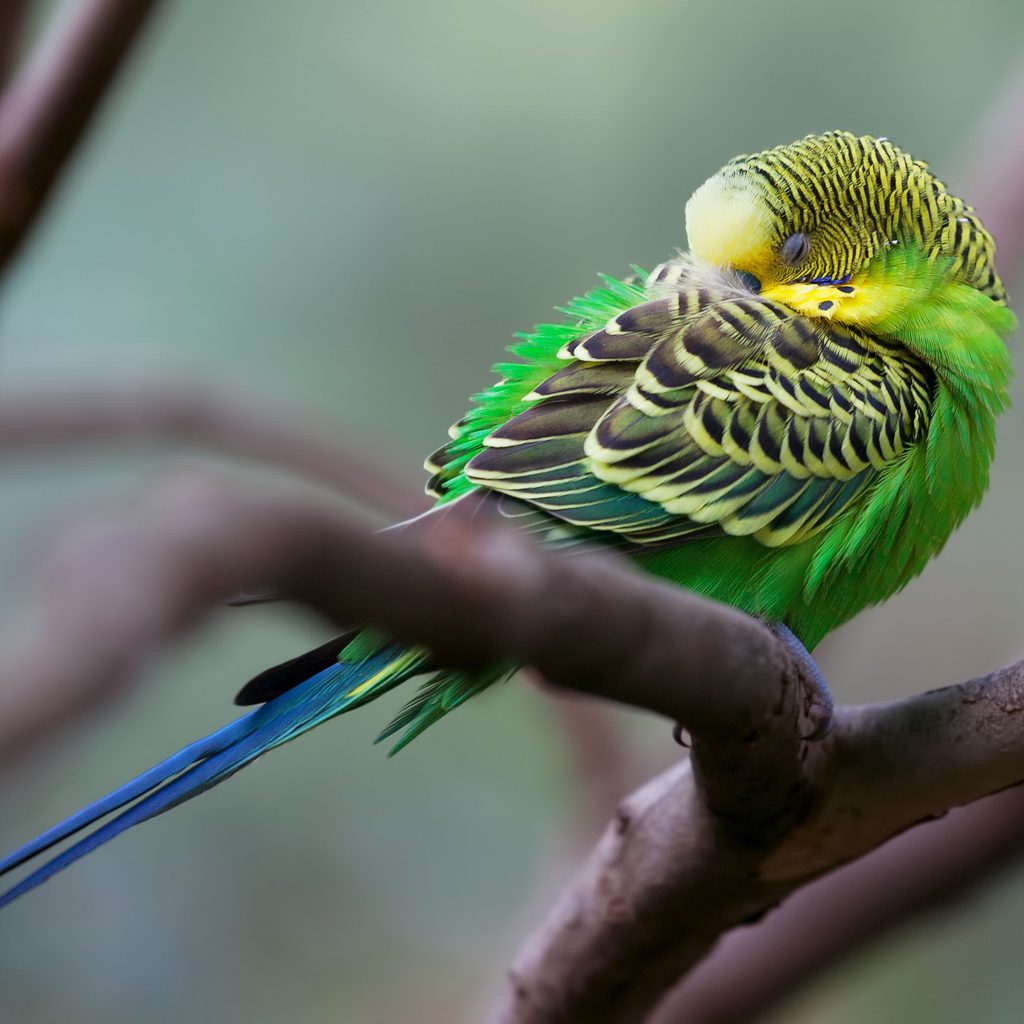
In the wild, you might spot a whole flock of parakeets sleeping together in a tree — and it won’t look much different at home. Prepare for your bird to perch, shut their eyes, and possibly tuck their heads when taking a snooze. They may also retract a foot up into their body, seemingly standing precariously on one talon. For their uncaged relatives, this helps to preserve warmth, but don’t think that means your bird is necessarily too cold (more on this later), it could just be instinctive behavior. Sleeping on the floor can indicate illness, but it also might mean your pet is ready to take care of some eggs, regardless of whether she has any.
How long do parakeets sleep?
We all know that birds wake with the dawn, and often wake us up too. While you likely don’t want the sound of your chattering animal to get you out of bed at 5 in the morning, even captive parakeets should follow a sleep schedule. They really do need the full 10-12 hours of slumber they would get in the wild, and baby and elderly birds might need a little more. It is possible that you will stumble upon your pet napping from time to time; follow their lead to determine the right amount of sleep. A tired flyer will turn grouchy and also sickly if they’re really sleep-deprived.
What to do to improve sleep
OK, so what do you do if your little birdie wakes up on the wrong side of the perch, grumpy and tired? Take a look at her surroundings and try to see things from her perspective. Note light, temperature, sound, drafts, and even smells. Pay particular attention to anything that will alarm your animal, such as a dog barking. Remember, when your bird is up you will be too if they wind up calling or flapping all through the night. Try these three things to help settle your pet and get you both to sleep.
Cover the cage
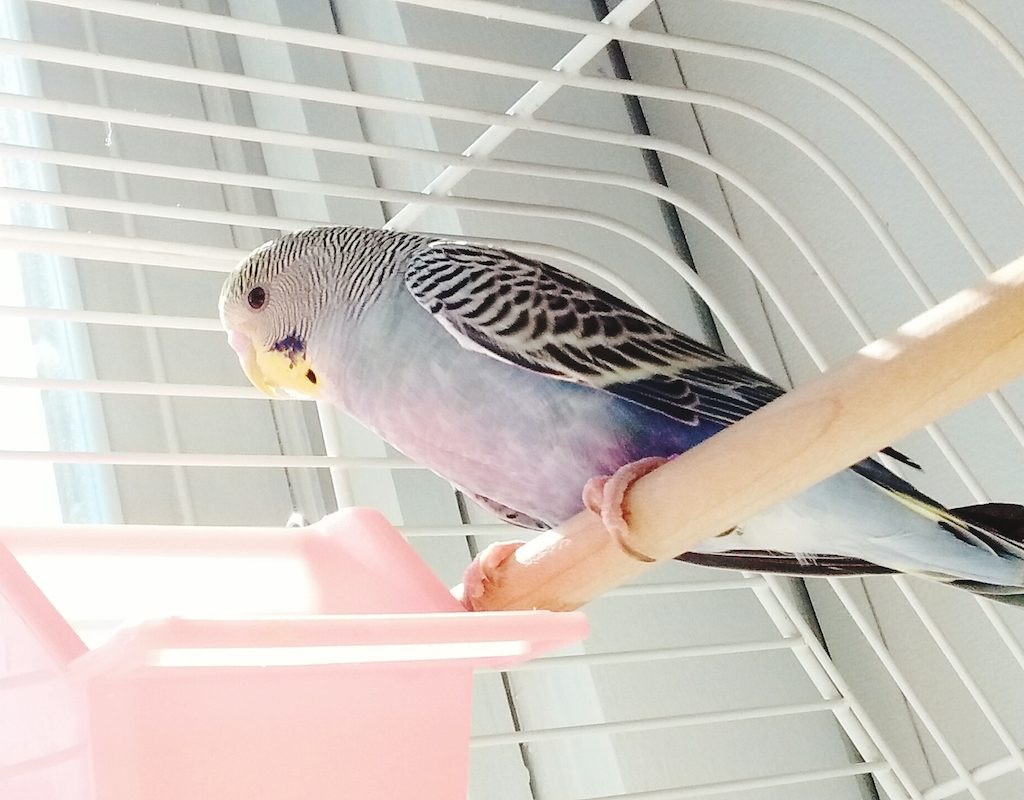
You’ve likely heard this advice before, and we recommend you try it as the first step. A cage cover actually helps with all of the issues because it blocks light, traps in warmth, and dampens sound. It can also keep the racket down by muffling the noise if you have a couple of rowdy birds who like to get up super early.
Get a sleeping hut
This will act as more than a cage cover, but the idea behind it is the same. Find a safe, soft, and easy to clean model that mimics a nest or nook for your winged creature. In addition to the comfort factor, moving your pet into a separate area can help build a routine so she knows to settle down for the evening.
Turn up the heat
Parakeets like to relax in warm temps — up to 80 degrees at night when they’re sitting still for long periods. If you can control their room temperature separately, you should adjust it up a bit during the cooler months. The summer is actually even trickier. Air conditioning isn’t just cold, it also throws chilly blasts at them which their small bodies can’t tolerate. Close vents and keep the cage up high to catch the warmer air.
As always, you’ll want to adjust your pet parenting to suit your individual avian. Start with no intervention and monitor how the nights go, noting any issues that arise. Setting up a pet camera can help determine the cause if you discover any disturbances. Then go through these three options to find which one (or ones) work best for you and your animal. Remember, after a good night’s rest, your pet bird will be happy and ready to go in the morning, or more likely at the crack of dawn.