If you have dogs in the house, chances are good that the area beneath your dining room table is swept on a frequent basis by eager noses in search of errant scraps of food. No doubt some of your leftovers have even found their way into your dog’s bowl, especially during special occasions like holiday and family celebrations.
Pardon our pun, but that “begs” the question: Is it healthy for dogs to eat our leftover food? That depends. Feeding your dog ‘people food’ – or scraps from the table – can be a treat, as long as it doesn’t compromise his health. Here are some suggestions to help guide you.
First things first
We are talking about table scraps as treats here, which means you need to monitor the amount of human food your dog is consuming in addition to the dog food you already give him. Overfeeding your dog can lead to a host of health problems, such as obesity, diabetes, and heart disease.
Experts recommend your dog’s total treat intake should make up no more than 10% of his total caloric intake. That’s a number you should discuss with your veterinarian. She can give you the best advice on how many calories your dog should be taking in for his age, weight, and activity level, as well as which table food she thinks is appropriate to use for treats.
Additionally, be mindful of how you share. If you want your dog to maintain good table manners, consider adding scraps to his bowl at mealtime instead of feeding him directly from your hand at the table. Otherwise, he may become a nuisance.
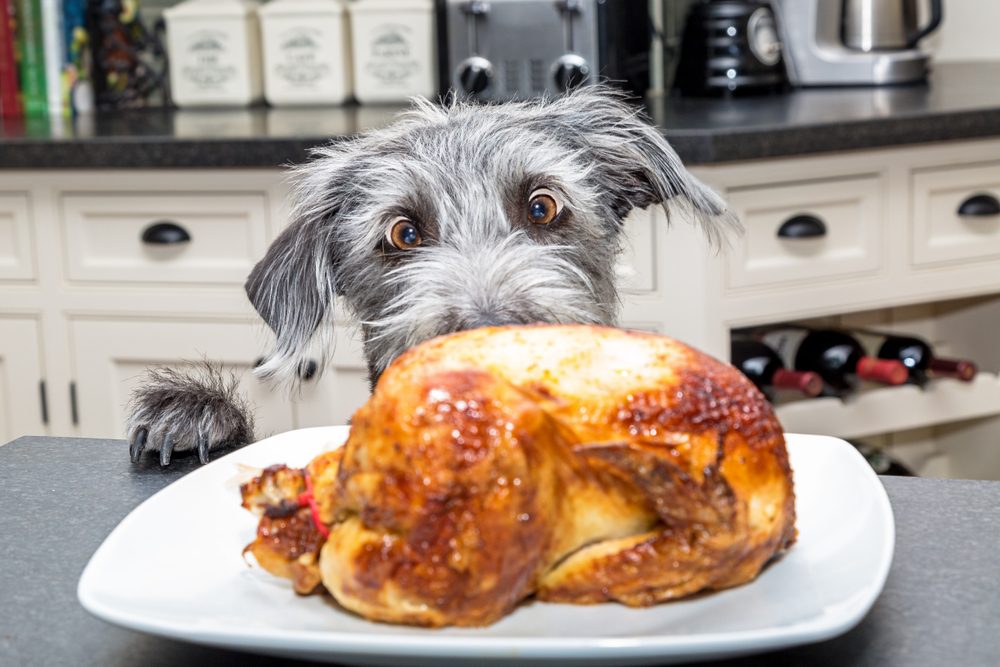
Which table scraps are safe to share?
Now that we’ve gotten that out of the way, here is a general list of people food you can safely share in moderation with your dog:
- Lightly cooked, boneless meat, such as turkey, beef, pork, chicken, and fish.
- Raw vegetables, especially carrots, lettuce, celery, green beans, and zucchini slices.
- Cooked vegetables, including sweet potatoes, pumpkin, and peas.
- Fruit, especially apples, bananas, and blueberries.
Again, consult your veterinarian before you share any food with your dog — especially if he has allergies or other serious health concerns. In addition to how many calories your dog should be consuming on a daily basis, she can advise which foods he shouldn’t eat based on his overall health.
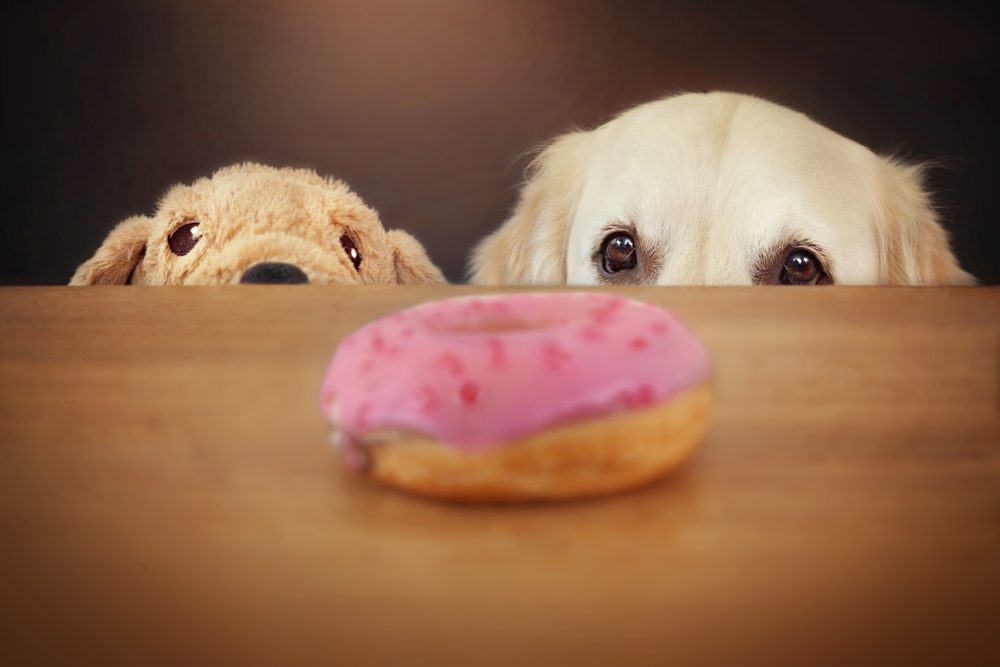
Which table scraps should I avoid?
Speaking of food your dog shouldn’t eat, beware. Some human food is actually toxic for our pets. For example:
- Fried or fatty foods can cause heart disease, obesity, pancreatitis, and diabetes.
- Foods with added salt can cause excessive thirst and urination. Consumed in large quantities, salt may cause vomiting, nausea, and diarrhea.
- Packaged foods, which may contain additives or artificial sweeteners.
- Garlic and onion can destroy your dog’s red blood cells, making him weak or tired. A blood transfusion may be required in some cases.
- Grapes and raisins can cause kidney failure in dogs. Less severe reactions include vomiting, diarrhea, and sluggishness.
- Cherries, peaches and other fruits with pits can be toxic if the stones are not removed before sharing.
- Avocado. All parts of this food (stem, leaves, skin, and flesh) contain toxins that can cause stomach upset in your pet.
- Cooked bones splinter easily and can cause a real choking hazard. Small shards can also cause intestinal blockage and perforations, which can be deadly.
- Raw potatoes and tomatoes. Both of these vegetables belong to the nightshade family, which contain solanine, a compound that is toxic to some dogs.
- Chocolate contains caffeine and theobromine, which can cause abdominal discomfort, vomiting, seizures, and death.
- Macadamia nuts can cause abdominal pain and vomiting, weakness in the hind legs, increased heart rate, and lethargy.
- Anything with sugar or alcohol. Artificial sweeteners such as Xylitol can cause seizures and liver failure. Ingesting alcohol, even a small amount, can cause dangerous drops in blood sugar, blood pressure, and body temperature.
Moderation is key
For the most part, feeding your dog small amounts of leftover food from the table on occasion can be rewarding for both of you. The challenge is to not make it an unhealthy habit. Dogs bring such joy to our lives. Feeding yours a well-balanced diet sprinkled with a few treats here and there helps keeps them happy and healthy for years to come.
Want more? Read on further to learn the truth about homemade dog food.