They say looks aren’t everything, but there’s no shame in them, meaning something when you’re on the hunt for your next furry friend. Balinese cats have more than a “cute kitten” factor — these felines are true beauties on the inside and out.
Like Burmese cats, Balinese cats are a total package: Loving, playful, family-friendly pets with an elegant exterior. Yet, even the graceful Balinese cats aren’t the best fit for every home. Understanding the nuances of different cat breeds can help you decide which kitty — if any — belongs in your family.
While looks are essential, and the Balinese cat has them in spades, judging the pet by more than the cover is necessary, too. Personality plays a significant role in fit, and having a heads-up on potential health concerns common to specific breeds can help you weigh the pros and cons. Here’s what to know before bringing home a Balinese cat.
History of Balinese cats
Naturally, the Balinese cat originated in Bali, right? That’s a good guess, but this idea is a common myth about this breed. The breed’s name was inspired by dancers in the Temples of Bali, who early breeders felt were as elegant and graceful as the Balinese cat. Their ancestors, the Siamese cat, are from Thailand, a four-hour plane ride from Bali.
The Balinese cat is native to the U.S., and the breed’s origins start with a happy accident. In the 1940s, long-haired kittens began randomly popping up in Siamese cat litters. Breeders decided to separate these long-haired felines from their short-coat littermates and breed them. The goal of the grand experiment? To see if the long-haired cats consistently made long-haired kittens. Spoiler alert: They did.
Balinese cats have two older and modern versions, each with distinct head and body shapes. If you want to cause a raucous in cat breeding circles, refer to the Balinese as a “long-haired Siamese cat.” Once a common term, it’s been rejected by purists and is considered outdated. In 1961, the Cat Fanciers’ Federation granted the Balinese championship status, sealing their fate as an official, standalone breed. The U.K. first welcomed Balinese cats in 1973.
Characteristics of the Balinese cat
As with dogs, discussing the typical characteristics of cat breeds comes with an important disclaimer: They are generalizations. However, these generalizations are helpful. Nurture can undoubtedly play a role in a cat’s personality and health, but nature and lineage also factor in. So, breed characteristics offer a solid foundation, and a reputable breeder or shelter can provide you with more customized information on the cat you want to bring home.
Physical characteristics
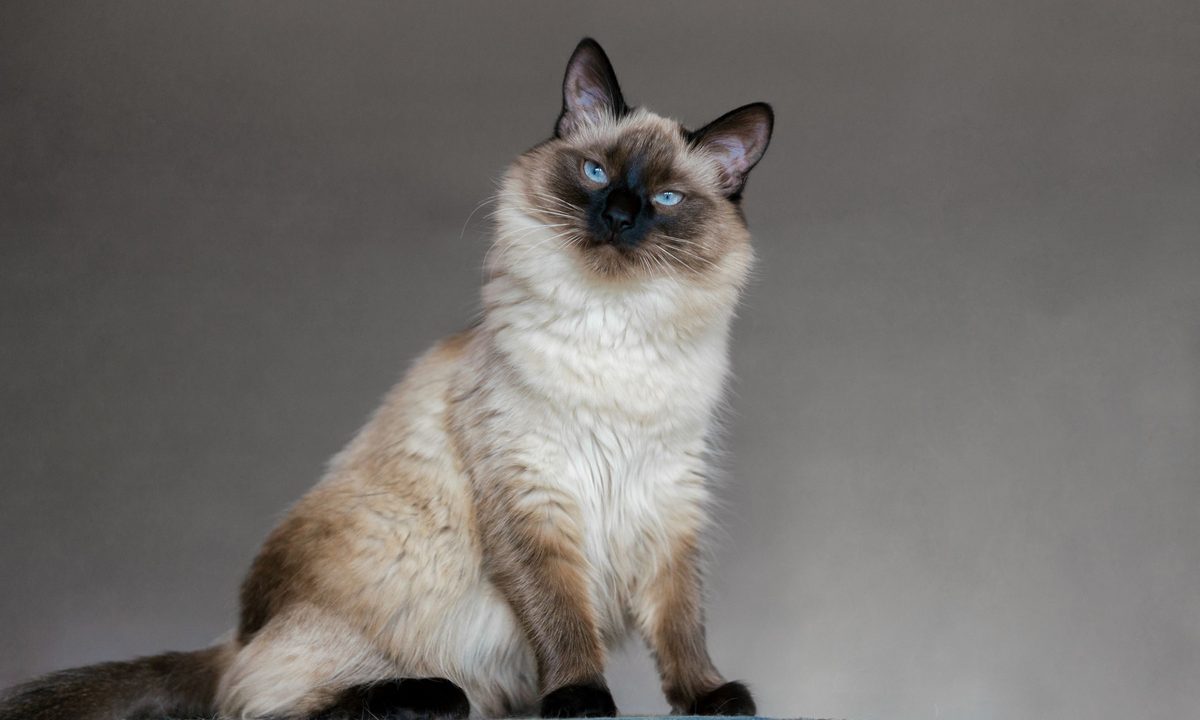
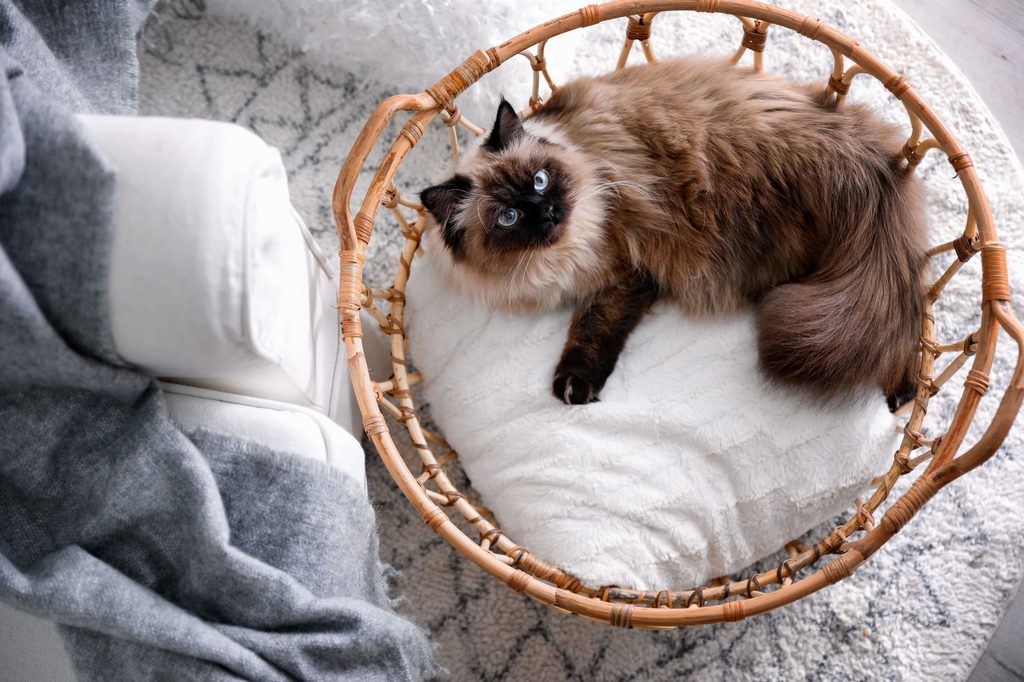
Balinese cats are considered medium-sized felines and have semi-long coats. Their fur is smooth as silk, mainly because they lack the undercoat of many other long-haired cat breeds. Though the coat is fine, Balinese cats require weekly grooming to ensure it remains free of knots and tangles. Here are some other common physical traits.
- Length: 18 inches
- Weight: 6 to 11 pounds
- Lifespan: 12-20 years
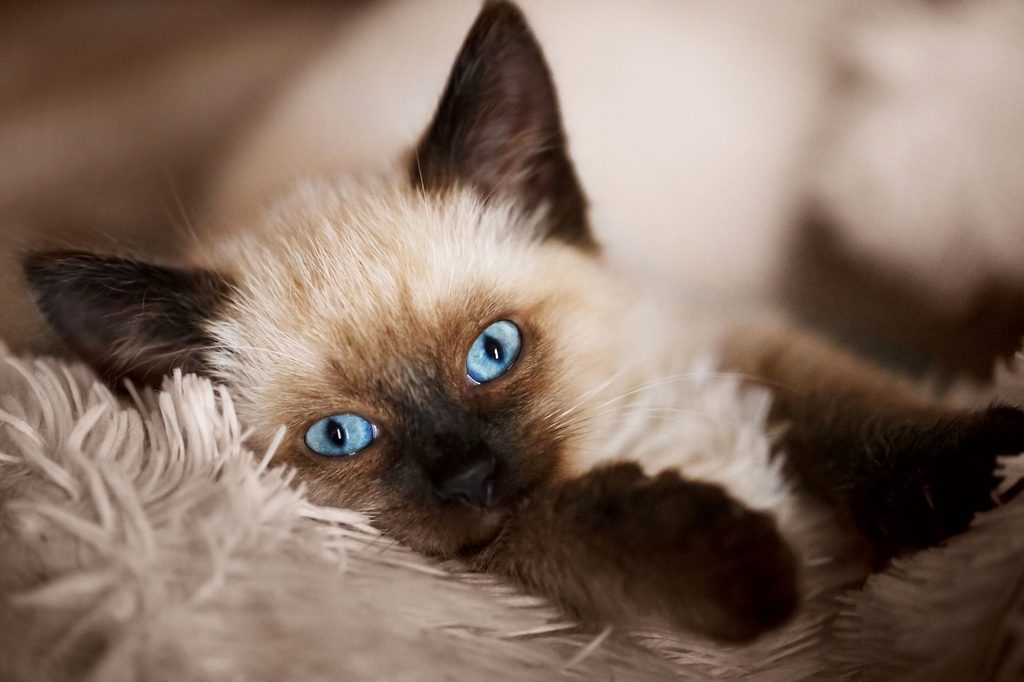
- Color: Creamy white body. Various color points are acceptable on the face, legs, ears, and tails.
- Eye color: Piercing blue
- Hypoallergenic: No*
*No pet is entirely hypoallergenic. Some cat breeds produce fewer allergens than others, sometimes triggering fewer symptoms in people with allergies.
Health outlook for Balinese cats
Balinese cats can live for around two decades — the breed is generally healthy and happy. Yet, like their Siamese relatives, Balinese cats are prone to health issues (many of which they inherited from their Siamese gene pool). These include:
- Eye issues, like progressive retinal atrophy, cross-eyed appearance, and glaucoma
- Liver failure
- Respiratory problems like asthma
- Heart disease
- Oral health problems like gingivitis
Balinese cats benefit from regular vet check-ups and remaining up to date on vaccines and preventatives.
Personality
No two cats are precisely alike. However, Balinese cats are generally:
- Friendly
- Curious
- Inquisitive
- Calm
- Loving
- High energy
While Balinese cats can be left for periods, their high-energy, curious nature makes them a good fit for homes that give them plenty of playtime, room to explore, and attention. Balinese cats are often good with small children and other pets as long as they are appropriately introduced (and tiny tots learn to treat animals gently and respectfully). A behavioral specialist can help if you have issues.
Balinese cats are also known to be chatty, so expect frequent vocalizations during your Netflix binge sessions and Zoom calls.
Balinese cats are descendants of Siamese cats. When Siamese cats began producing long-haired kittens, breeders separated these felines, and eventually, the Balinese cat was (literally and figuratively) born. Though generally healthy, Balinese cats are prone to similar issues as Siamese, such as eye and heart problems. Regular vet trips and a discussion about the cat’s specific lineage with a breeder (if applicable) can make you aware of issues or potential problems sooner. As for the fun stuff, Balinese cats are full of energy and playful and often make stellar family pets.