
Sometimes, you might feel like you’re living to please your cat. The vibe contrasts with dog parenthood — pups are often eager to please.
If your cat eyes you when you’re eating chocolate, you may feel obligated to fork over a morsel. You’ve likely heard that chocolate is toxic to dogs. However, we have just established that dogs and cats are different species. Can cats eat chocolate?
Some human foods, like fish, are A-OK to give your feline friend, but others pose serious health risks. Is chocolate one of them? The short answer is that chocolate is dangerous for cats. Here’s a longer explanation of why and what to do if your cat eats chocolate.
Can cats eat chocolate?

Chocolate is poisonous for cats and can cause life-threatening complications. While chocolate is a delightful treat to humans, it contains compounds known as theobromine and caffeine. Both compounds are toxic to cats, so they also cannot consume coffee products safely. The human body can metabolize theobromine and caffeine efficiently and effectively, but cats cannot.
Instead, felines slowly process the compounds, triggering a buildup of theobromine and caffeine. The buildup sets off a ripple effect that can impact major organ systems, including cardiovascular, kidney, central nervous, and gastrointestinal, and can be fatal if not treated in time.
How much chocolate is toxic to a cat?

The answer to this question depends on the type of chocolate and the cat’s weight. As a rule of thumb, cats should not consume any chocolate. Even small amounts of chocolate can be poisonous and require medical attention. You’ll want to contact your vet if your cat got into some chocolate to get insights on the next steps.
Chocolate has higher amounts of theobromine than caffeine. Therefore, theobromine is the most significant concern, even with low doses of chocolate and cats. (However, poisoning from either or both compounds presents serious risks at higher doses.)
The toxic dose of theobromine in cats is 200 milligrams per kilogram — about 0.0032 ounces per pound of cat. It’s a small number and remains a pretty low threshold when you factor in a cat’s weight. An 8-pound kitty must only consume 0.0256 ounces of theobromine to experience toxicity.
Importantly, it’s hard to know precisely how much theobromine your cat consumed because products and ingredients vary. However, the darker the chocolate, the more theobromine is likely in it. For this reason, cocoa beans and powder are considered the most toxic (an 8-pound cat can experience poisoning after eating 0.07 ounces of cocoa powder or beans).
If you love chocolate, you may have numerous chocolate products in your home for baking and snacking. Cocoa beans and powder are far from the only problematic type. Others that pose risks if consumed include:
- Unsweetened cocoa powder
- Baker’s chocolate
- Semisweet chocolate
- Dark chocolate
- Milk chocolate
Chocolate poisoning in cats: Signs, treatment and prevention
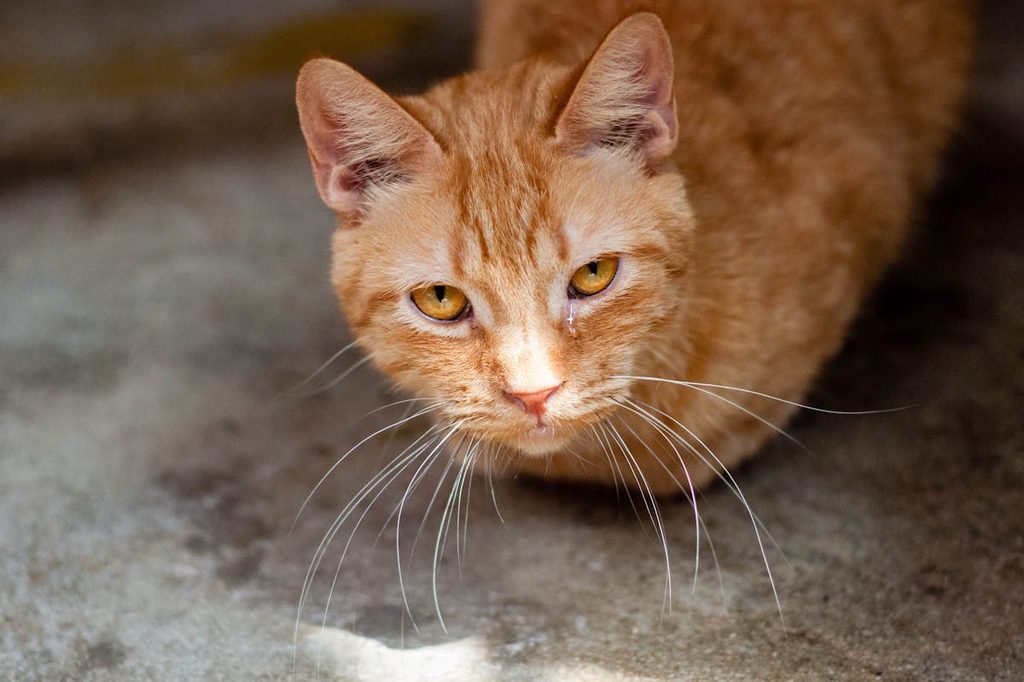
Clinical signs of chocolate toxicity typically appear within 6 to 12 hours, according to Merck. However, signs of caffeine toxicity often present sooner — one to two hours later. Here’s what to look out for and do if you’re concerned about your cat.
Signs of chocolate poisoning in cats
If your cat consumed chocolate, potential side effects might include:
- Vomiting
- Diarrhea
- Weakness
- Increased thirst
- Lethargy
- Hyperactivity
- Panting
- Frequent urination
- Heavy breathing/panting
- Increased heart rate
- Low blood pressure
- Seizures
- Coma
Treating cats that ate chocolate
If you suspect your cat ate chocolate, contact the vet, the local emergency care facility, or Poison Control. The Pet Poison Helpline is staffed 24/7 at 855-764-7661. Representatives can provide insights on the next steps and connect you with local resources, which may be especially useful if your vet is closed.
A vet may attempt to induce vomiting, which may require medication. Activated charcoal can limit the absorption of toxins. Other treatments and monitoring, including IV fluids and blood pressure, may be necessary to help your cat.
Preventing a cat from consuming chocolate in the first place is the best medicine. Some top tips include:
- Keep products with chocolate out of reach.
- Using lids and child-safety locks to prevent cats from entering food pantries and boxes. Ditto for garbage cans that may contain remnants of these products.
- Ensuring your cat has access to and eats a nourishing, satisfying diet.
- Instructing friends and family members not to treat your cat with chocolate
- Using cat treats and safe human foods when you want to give kitty something special
Concluding thoughts
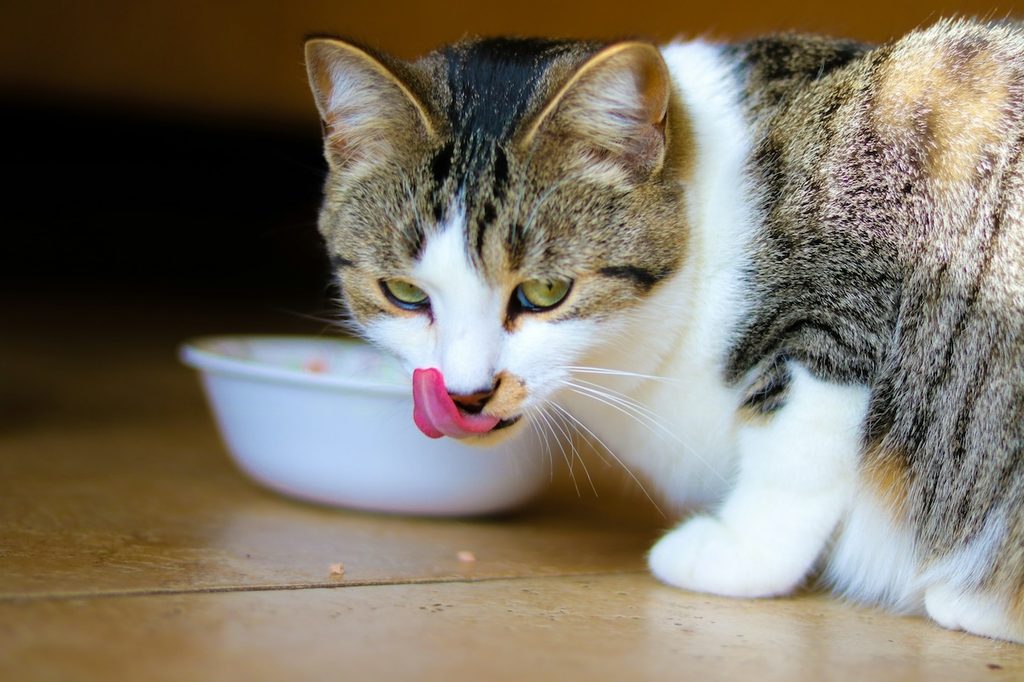
Can cats eat chocolate? No. Humans should avoid giving cats chocolate and take steps to prevent them from accessing this food. Chocolate consumption can cause life-threatening complications for cats because it contains theobromine and caffeine. Cats’ bodies cannot metabolize these compounds, making them toxic. Even small amounts of chocolate, especially darker types, contain potentially harmful levels of theobromine, so you’ll want to call your pet’s vet or poison control (855-764-7661) if you think your cat ate something they shouldn’t.
Signs of chocolate poisoning include increased thirst, lethargy, weakness, and coma. Vets can induce vomiting and use medications to absorb toxins. However, your best bet is to keep your cat from eating chocolate. Secure foods with chocolate in lidded containers or behind child safety locks, and instruct friends and family members not to give your cat any of this human-friendly treat.