
When you head to bed at night or leave the house for the day, you might pop the heat down a couple of notches — it's good to save energy! While putting the temperature to 60 or even 55 degrees Fahrenheit is common, will your cat be comfortable at those lower temps? What are the safe temperature for cats indoors?
Cats love warm and cozy spaces, so before you start fiddling with the thermostat, you need to understand the ideal temps for their health and comfort. In addition to keeping your home warm, there are many ways you can support your cat’s needs throughout the long winter.
What is a safe temperature for cats indoors?
While your cat may have a furry coat, that doesn’t mean he can withstand harsh temperatures. The Rescue Vets explain that felines need to keep their body temperatures at 90 degrees Fahrenheit or higher, or they could develop hypothermia.
As a result, a safe temperature for cats indoors starts at around 50 degrees Fahrenheit. Keep in mind though just because that temperature is safe doesn’t mean your cat will be comfortable. Instead, most cats will find 70 degrees Fahrenheit much more enjoyable.

How can you tell that your cat may be too cold?
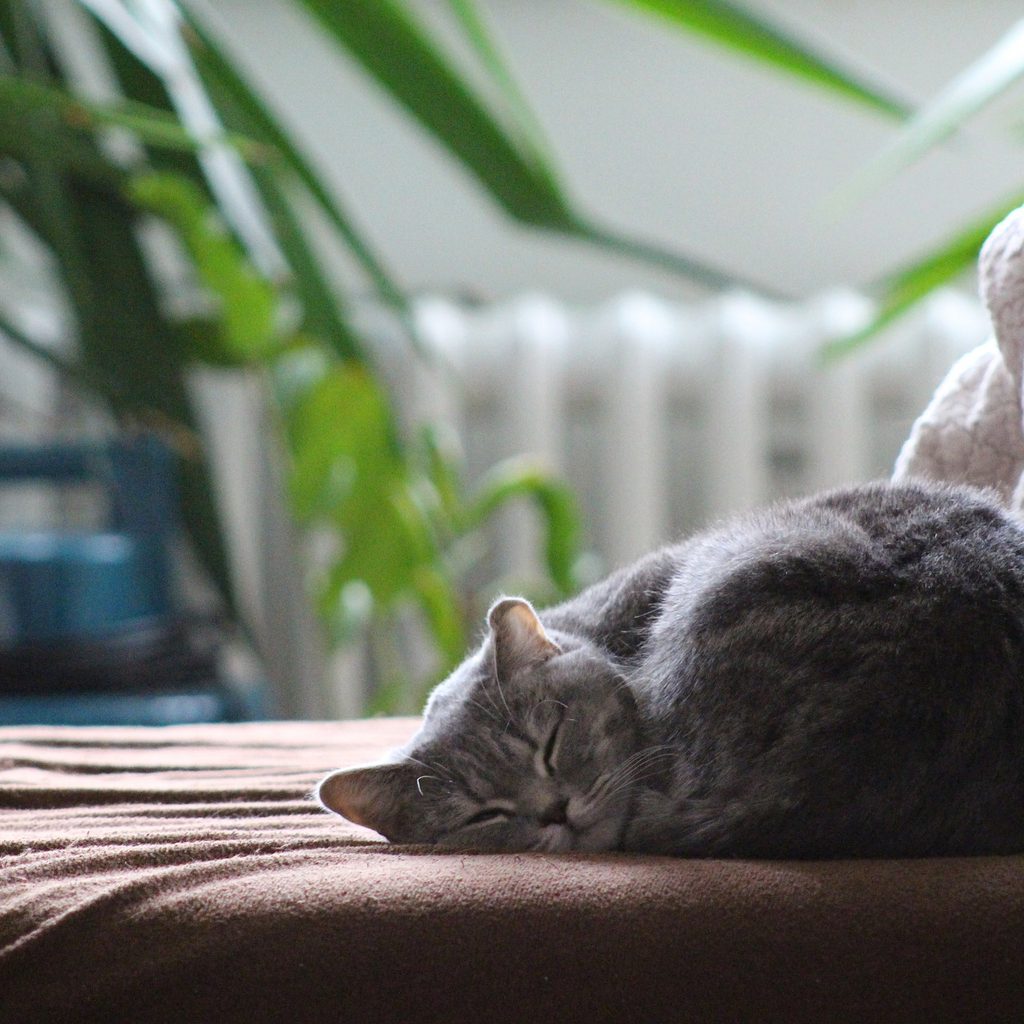
Setting your thermostat to 70 degrees Fahrenheit is a good way to ensure your cat stays warm, but it can also be helpful to look for other signs that your cat is too cold and therefore uncomfortable. The Rescue Vets note that when your cat feels cold, you might notice him curling up more tightly than usual or snuggling up next to you more than he typically would.
If your cat has been exposed to particularly low temperatures — for example, if he’s been outside — you might notice additional signs like shivering. Your cat’s paws, ears, and tail could also feel cold to the touch, and his pupils may dilate. A kitty who is way too cold might exhibit slow, shallow breathing and appear weak or lethargic.
Any of these more severe signs mean a trip to the vet is essential. Take your cat to your vet or local emergency clinic to be treated right away.
How warm is too warm for indoor cats?
We've covered the minimum temps but what about the max? It's unlikely that you'll get to these higher numbers in winter, but sometimes a cranked up heating system might do its job too well. Cats can absolutely handle a bit of warmth — you know well how much they love to sun themselves and use your body heat.
However, you don't want your house to get much above 80 degrees Fahrenheit or so for too long. If you live in a place where there are a few particularly hot days, make sure your feline has access to cold water and a cool spot like a tile floor. Lastly, keep your eye out for distress signals lethargy, vomiting, and pale gums. Just like a freezing cold cat, a burning up one might require a vet visit.
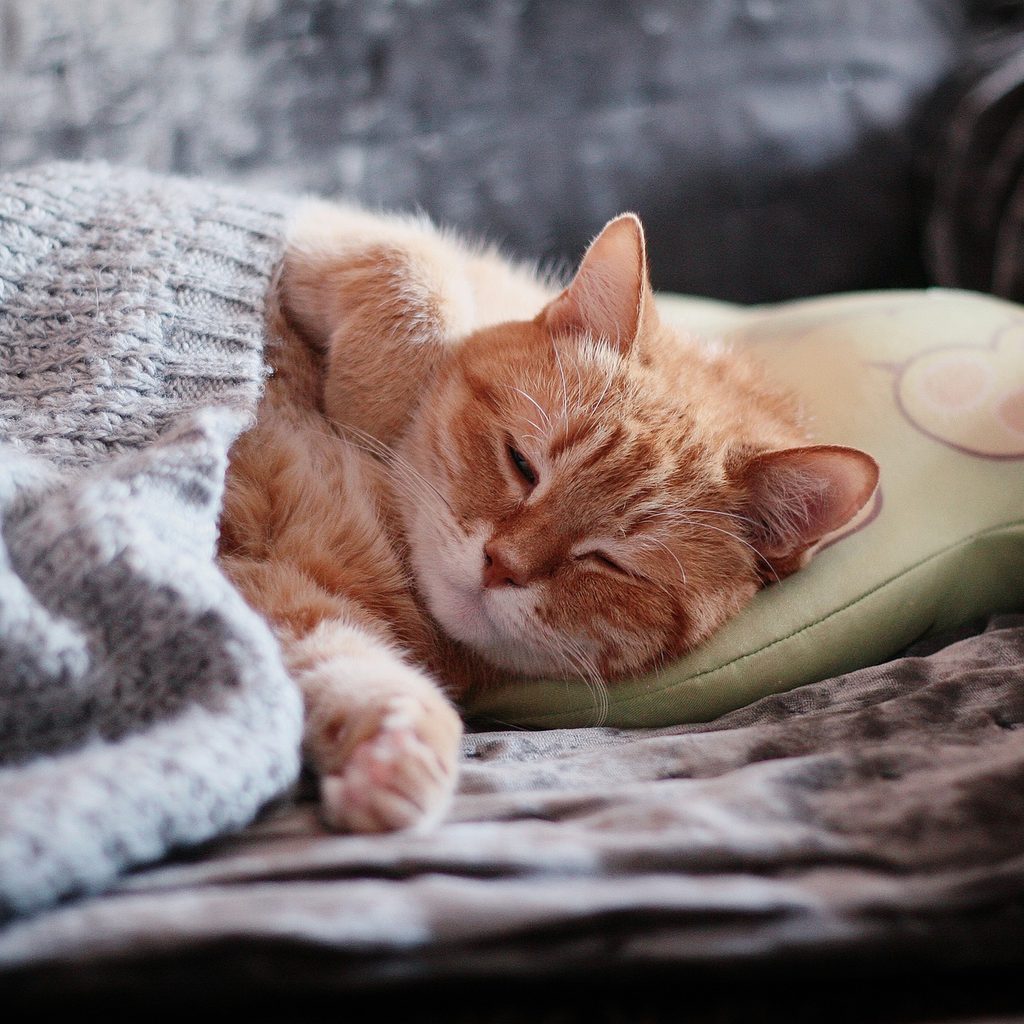
What can you do to keep your cat warm and cozy?
The best way to keep your cat warm is to keep your house warm. That said, there are additional techniques you can use to ensure your cat stays cozy all winter long.
Step 1: Check your heating system. You need it to be both accurate and reliable. If you’re going to be away from home for a long period, ask a friend or neighbor to stop in and make sure your heat stays functional.
Step 2: Pay extra attention to his favorite rooms. If you have zoned heating in your home, check the rooms where your cat spends the most time. You can set those to a warmer temp and leave the rest of the house cooler, letting you save energy (and money) while keeping your cat warm and content.
Step 3: Feed him well. Make sure your cat eats a nutritious diet that meets his needs. With the right vitamins, your furry friend will be able to grow a thick winter coat that can help him to stay warm.
Step 4: Find him a nice spot. Give your cat a cozy place to sleep by putting a soft blanket in a warm area of the house, like in a sunny window or by a heater. Always use pet gates or other structures to block off heaters and furnaces, so he doesn't hurt himself.
Step 5: Invest in a pet bed for your cat. To keep your cat extra-warm, consider getting a heated cat bed. These beds can be plugged in and create a continuous source of warmth, which is particularly helpful for older cats or for cats dealing with arthritis.
Most indoor cats do just fine in the winter without extra care, but any cat will appreciate your taking the time to make him an extra warm spot to sleep. Definitely keep an eye on your pet’s behavior during the winter. If you notice him curling up more tightly or seeking out a spot on your lap, you might need to think about turning up the heat in your home or finding other ways to keep your cat warm. An unusually cold cat in a warm house needs to go to the vet for a visit and see if something else is going on.