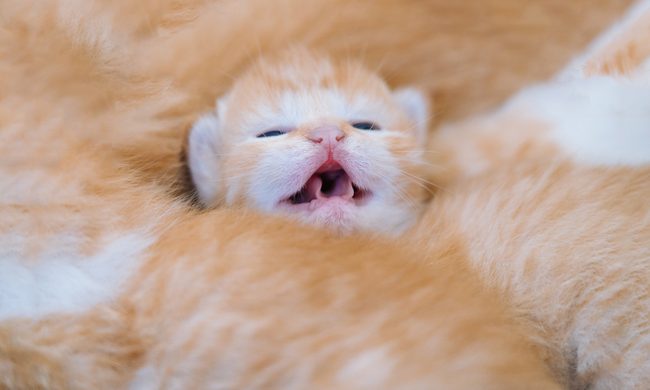
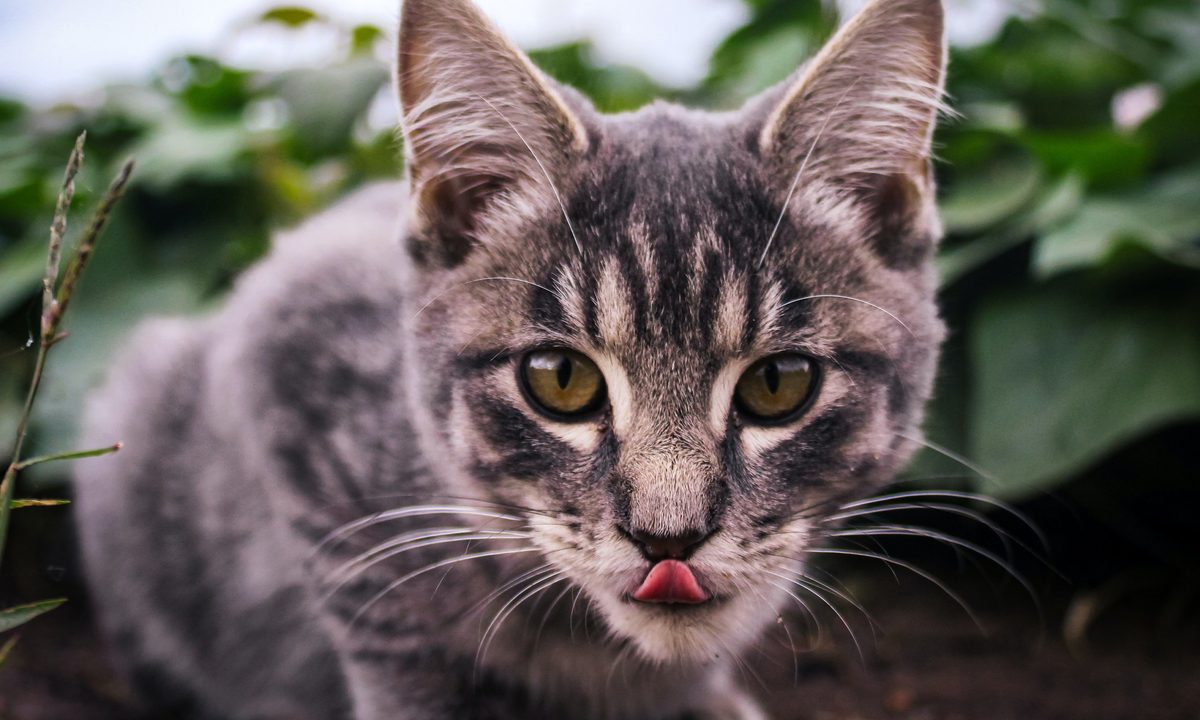
“Why do cats drool? What’s wrong with them?” These are questions that many cat owners have asked. Fortunately, they’ve all been relieved to find that feline drooling is usually not a cause for concern. While drooling in moderation can be a normal behavior for your cat, it’s also important to stay aware of what’s normal and what isn’t. Drooling may be inconvenient and a bit gross, but in some instances, it can also alert you that something is wrong with your cat.
Knowing the right actions to take can help you uncover potential health issues, and being able to differentiate normal drooling from excessive drooling can help you monitor your cat’s health. There are a few potential causes behind increased drooling in felines.
Why is my cat drooling?
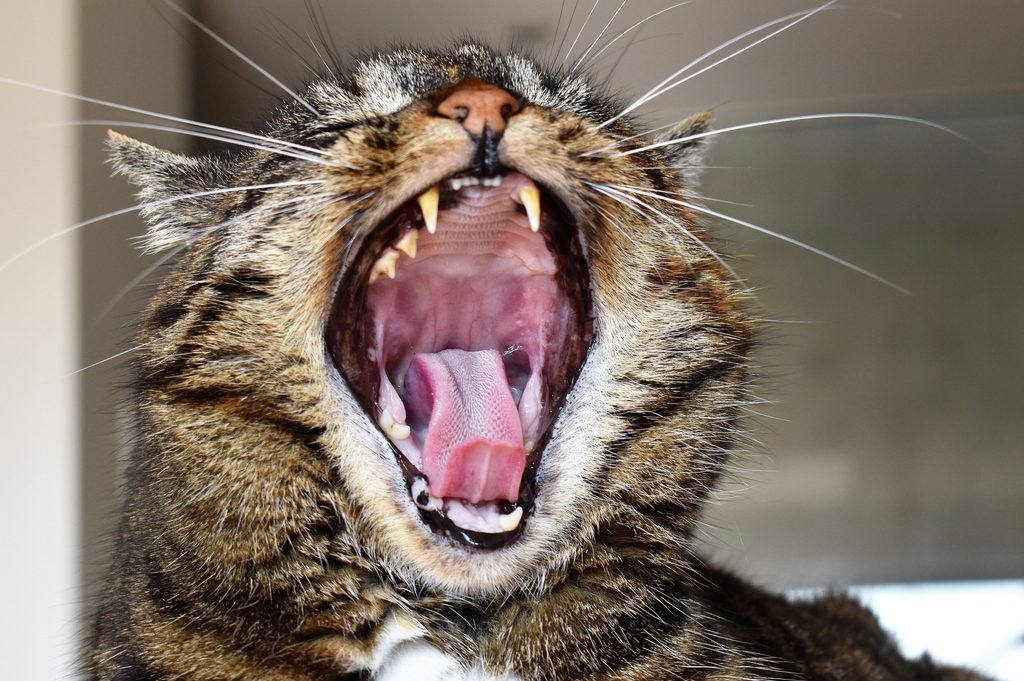
Sudden drooling can be alarming to see, whether you’re a new cat owner or a seasoned pro. These are the most common reasons behind cats’ drooling.
Something’s stuck
Sometimes, understanding the cause of your cat’s excessive drooling is as simple as looking in his mouth. An object stuck in the mouth or throat can irritate and make it difficult for your cat to swallow entirely. This can be a blade of grass, a bit of a stick, a stuck hairball, or just about any other object. As a result, your cat will naturally start to drool, and you might notice him trying to gag or actively licking his lips.
If your cat is suddenly drooling more for no apparent reason, try to take a look in his mouth to see if you can find anything amiss. You may be able to remove an object stuck in your cat’s mouth with a swipe of the finger. If you can’t find or remove the object, then give your vet a call. Your vet may need to examine your cat and even sedate him so they can remove whatever object has gotten stuck.
Stress
Drooling can be driven by your cat’s emotions, too. If your cat is stressed, he may start to drool in response. You might notice that your cat drools more while he’s in the car or on the way to the vet. Other stressful situations, like fireworks or introducing a new pet to the house, can also prompt this drooling response. Your cat’s drooling should subside as his stress reduces and he becomes more comfortable.
Happiness
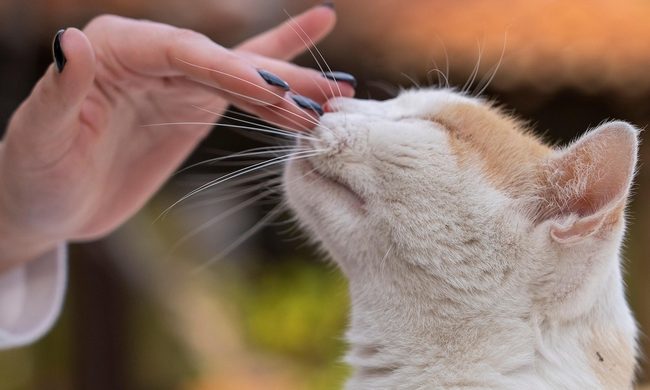
Cats may also drool more when they’re happy. Often, this is paired with kneading. Your cat might come over to greet you, knead your thighs as he climbs in your lap, and start to drool. It’s just a natural behavior, and your cat is showing how happy he is to be spending time with you. If it bothers you, keep a towel or washcloth handy.
A state of relaxation
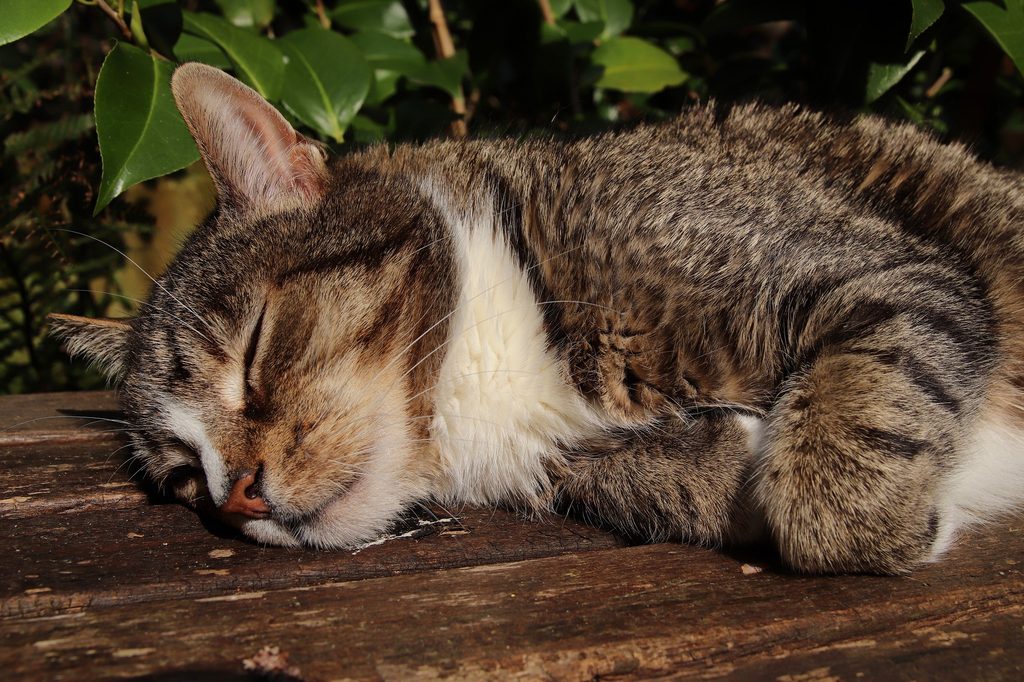
You might also notice that your cat drools more when he’s relaxed. A cat drooling while sleeping is a perfect example of this. If your cat is happy, feels safe, and is a bit sleepy, it’s only natural that he’ll drool a bit. After all, it happens to humans as well! If you’re worried about your cat getting drool on the furniture, you can encourage him to sleep on a blanket that you can easily wash and swap out.
Health issues
Sometimes, salivating can indicate that your cat is injured or sick, as it’s a common response to pain. There are potentially endless issues that can cause this response, including injured teeth, gum issues, and just about any other uncomfortable condition, even poisoning.
If your cat is drooling because of a health issue, you may have seen a sudden change in his drooling habits. He might also exhibit other signs, like lethargy, lack of appetite, and unusually standoffish behavior. If you see any of these signs in your cat, get him to a vet right away for a full evaluation.
Why do cats salivate when happy?
Salivation might seem like a strange response to being happy or relaxed, but the reason why this happens is deeply instinctual. Other behaviors cats perform when content, such as making biscuits, produce a lot of the feel-good chemical oxytocin in their brain. Over time, cats start to relate kneading to feeling good, which is why they recreate the behavior when happy.
However, kittens make a very important connection between a few different actions and results while nursing on their mother. First, nursing itself also releases oxytocin in both Mom and kittens’ brains. Simultaneously, kittens learn to knead on their mother to help with milk production. When a cat grows up, something deep within them still remembers nursing, making biscuits, and feeling that oxytocin high. This can cause them to salivate while making biscuits, while purring, or even while experiencing that ‘feel good’ chemical as an adult.
Like all of your cat’s habits and behaviors, drooling can help you monitor your cat’s health. If you notice big, sudden, and unexplained changes, there may be something amiss, and your cat may need some veterinary care. But if your cat just tends to drool a little bit more than others, and he does that consistently in situations that can explain it, then chances are it’s just normal for him.
If you have any questions, always consult your vet for advice and an assessment of your individual cat’s habits and health. And keep a washcloth or tissue nearby for quick cleanups after your cat. After all, salivation is natural!