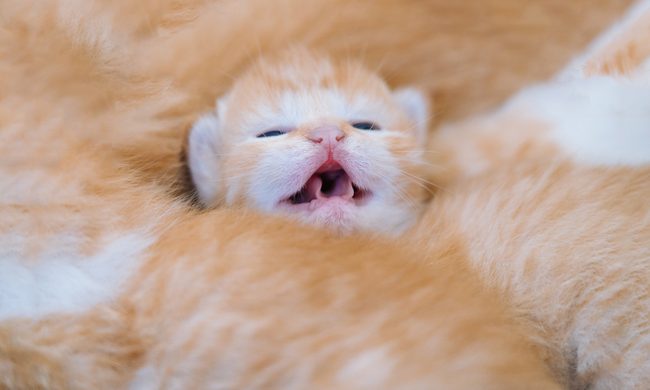
In most cases, cats like to curl up in warm, cozy places. There’s nothing more tempting than a good, soft blanket, but even a sunbeam on the floor can make a choice sleeping spot. But sometimes, cats’ sleeping habits change, and you might even find your cat catching some z’s in his litter box. While this behavior might seem surprising, it actually happens somewhat frequently. If your cat has suddenly started snoozing in the litter box, it’s important to understand what might be causing this change. While certain situations can make your cat use his box as a bed, there are some medical causes that can contribute to this behavior, too.
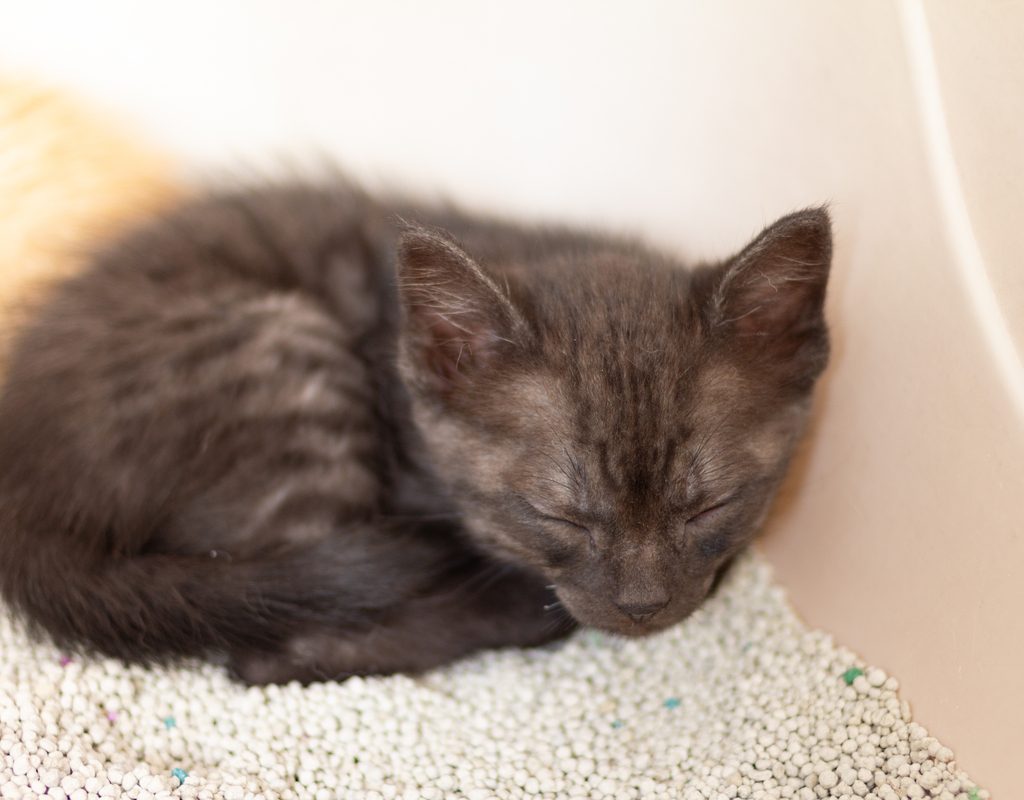
Illnesses
Many different illnesses can cause your cat to start sleeping in the litter box. In addition to your cat’s sleep location change, looking for other changes in his behavior can give you some insight into what these issues might be. If your cat is lethargic and isn’t eating or drinking normally, this can indicate pain, a potential infection, and other possible health issues.
Urinary issues might also prompt your cat to sleep in the litter box. Urinary tract infections or urinary crystals can make urination painful or even impossible for your cat, so look for signs that he’s trying to urinate, is uncomfortable when urinating, or goes into and out of the box again and again. If your male cat has developed urinary crystals, he will probably try to use the box frequently and might even cry out in discomfort. This is an emergency and can be life threatening, so if you notice these symptoms, take your cat to the emergency vet right away.
If your cat appears to be uncomfortable, sluggish, or otherwise not like himself, your vet can help identify what’s wrong. Your vet will perform a physical exam, will ask you questions about your cat’s behavior, may test your cat’s urine, and will probably run a blood panel. Once your cat’s health issue is identified and treated, chances are he’ll return to his regular sleeping spots.
Labor
Your pregnant cat might seek out the litter box during or before she goes into labor, especially if she doesn’t have another secure, safe space in the house to give birth. This isn’t ideal for many reasons, so if you have a pregnant cat, start preparing her a safe birthing box well in advance. An ideal birthing box will give your cat privacy and will be lined with soft blankets. Be sure to place this in a room where your cat can easily access it, and keep other pets and kids away from the area so your cat can feel safe and undisturbed.
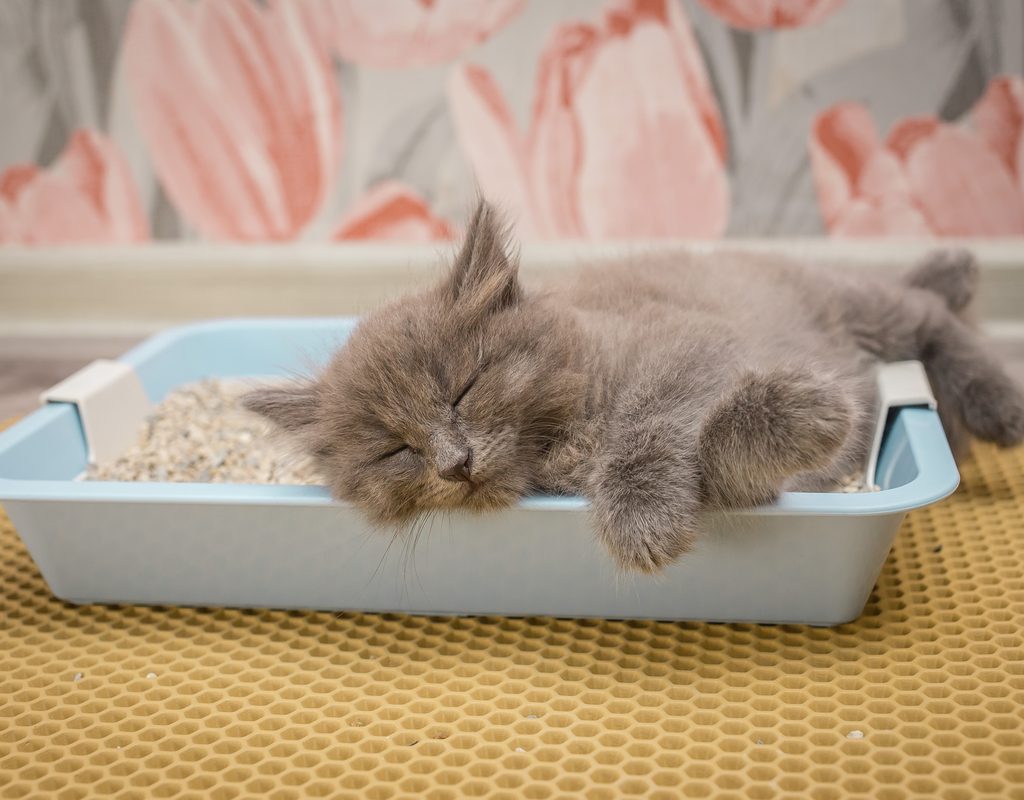
Stress and insecurity
While health issues can be the root cause of a cat’s sleeping in litter box areas, physical ailments aren’t always to blame. Your cat might seek out the litter box because he feels it’s a safe place and because it smells familiar. If your cat is highly stressed and insecure, he might not be comfortable sleeping elsewhere in the home.
Many factors can contribute to your cat’s stress. Bringing home a new pet or a baby can affect your pet’s security. Major changes, like moving to a new home, can stress your cat. And if your cat is a new member of your family, the stress of the transition into your home might be causing this behavior, too.
If you think that stress and insecurity might be behind your cat’s sleeping in the litter box, you’ll need to take steps to help him feel more secure. Separating your cat from other pets might help, and giving your cat a secure sleeping spot up on a cat tree, where he’s safely out of reach, can also boost his confidence. Using pheromones can also help relax a stressed cat, but in many cases, your cat just needs a space of his own where he can chill out and adjust.
The answer to “Why is my cat sleeping in the litter box?” can be a complicated one. Many factors can affect your cat, and this change in sleeping habits might be due to behavioral or medical causes. If you notice your cat suddenly start sleeping in a litter box, it’s best to pay attention to what other habits might have also changed, like he’s eating less and sleeping more. You might also think about any recent changes that have occurred within your home, since these could prompt behavior changes in your cat. When in doubt, take your cat in for a vet appointment so you can rule out health issues that might have caused this change in sleeping habits.