
It happens almost daily — you’re binge-watching your favorite show with your cat on your lap, and she gazes up at you, blinking slowly. Maybe she even squints her eyes or looks at you through half-closed eyes. While you’ve undoubtedly seen this behavior before, you may wonder, “Why do cats blink slowly?”
As it turns out, cats slowly blinking is a behavior you don’t want to overlook. It could actually mean something! Not only will understanding the reason for your cat’s lazy blinks help you understand her, it may even help you learn how to communicate back.
Identifying the slow blink in feline body language
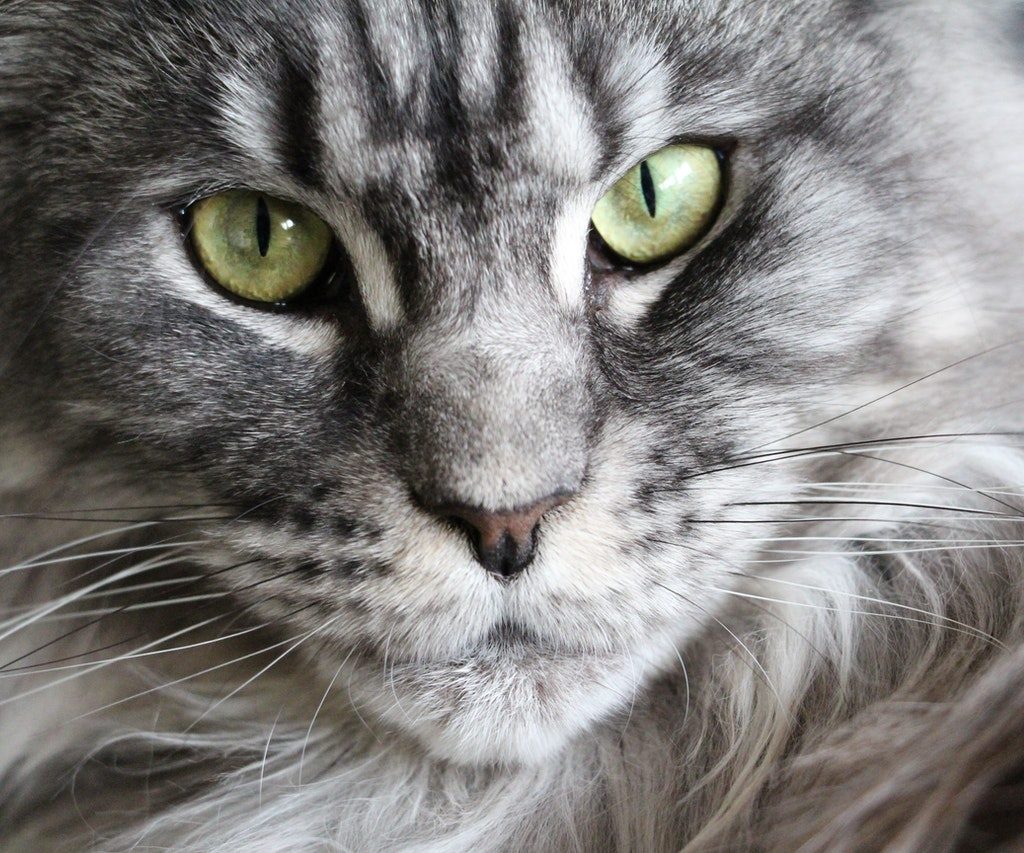
Feline body language can be more complex than you think. Cats have different types of blinks, for example, so you’ll need to be able to recognize when you’re getting the slow blink from your furry friend.
A cat’s regular blink is a rapid movement that flushes dirt and debris from the eyes. It also spreads out tears, keeping the eyes hydrated. If you sit and watch your cat for a while, you’ll learn to recognize her regular, typical blink.
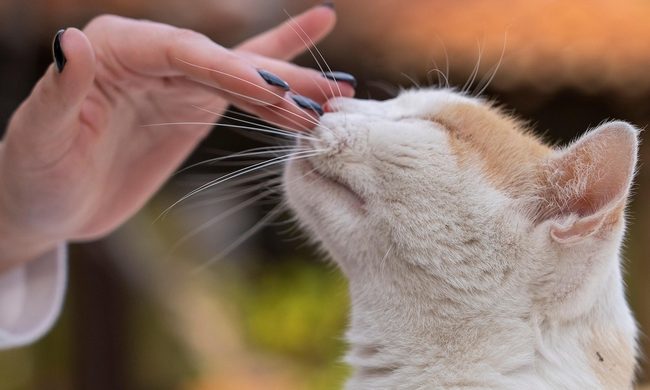
The slow blink is another story. When your cat slowly blinks, her eyes will be relaxed, and she may flutter her eyelids repeatedly. The movement is leisurely, and your cat may do repeated half-blinks before narrowing or even fully closing her eyes. Your cat may look like she’s squinting, but it’s important to note that she’s not avoiding anything, like your hand or a strong wind. You may see your cat suddenly come out of the slow blink, widening her eyes when something catches her attention, or she might repeat the slow-blink pattern.
The meaning behind the slow blink is sweeter than you think
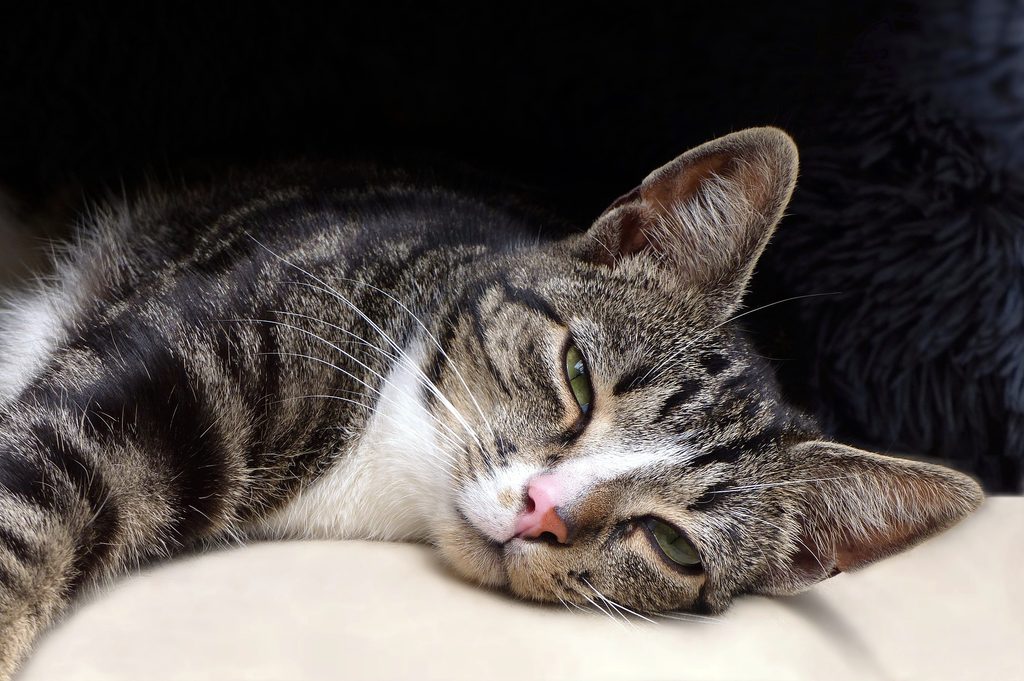
So, why do cats slow-blink? For years, cat behaviorists and scientists have believed that the slow blink is a cat’s way to show affection and trust. At the very least, it’s a physical manifestation of their relaxation! The slow blink requires your cat’s eyes to be almost fully closed for longer periods, and by performing this behavior, your cat is trusting that you will keep him safe while he’s vulnerable. It makes sense to assume that this behavior is a way for your cat to show you affection and to demonstrate her trust in you.
More recently, a scientific study has confirmed that the slow blink is one of the methods your cat uses to communicate with you. The study observed that cats are more likely to slow blink back at their humans after their humans initiate a slow blink at them. When cats were introduced to researchers who performed the slow-blink experiment, the cats were more likely to slow-blink back if a human had initiated the blink. These cats were also likelier to accept when a researcher outstretched their hand, too, even though they didn’t previously know the researchers. This implies that the slow blink is a valuable communication tool, and not only does your cat use it to communicate with you, but you can also use the slow blink to communicate with your cat.
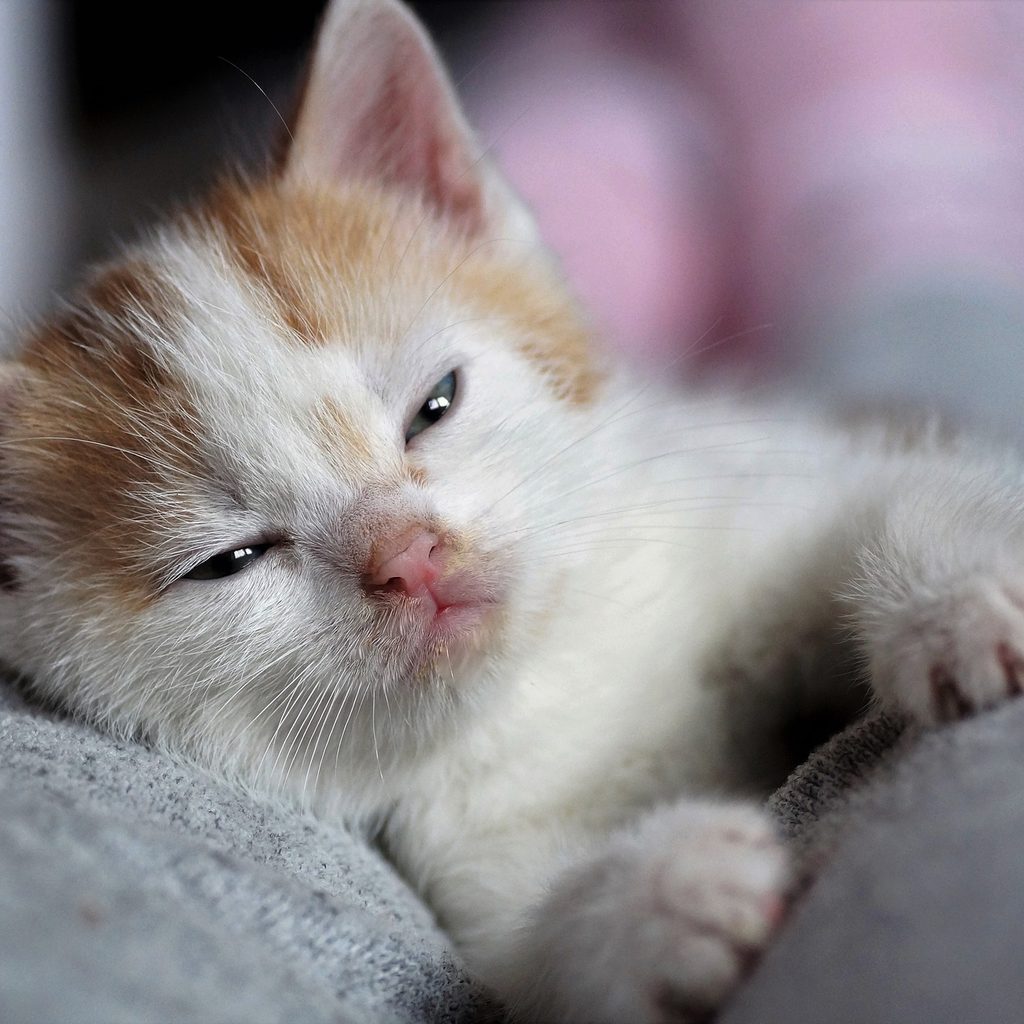
Communicating with your cat using the power of the slow blink
You can use the slow blink to send your cat messages of comfort and trust. When your cat is relaxed, sit a few feet away and slow-blink your eyes closed before gradually reopening them. Repeat this several times, and focus on keeping your gaze soft and loving. Visualizing that your eyes are deeply tired can help. Watch to see how your cat responds. She might slow-blink back, or you might notice her gaze gets more relaxed — her eyes might even shut completely. If you can’t quite grab your kitty’s attention, though, that’s OK!
The more you watch your cat, the better you’ll be able to spot her slow blinks. You’ll also learn to read her other important body-language messages. Watching your cat interact with other cats or other members of your family can help you identify when he’s playful, content, or he is uncomfortable.
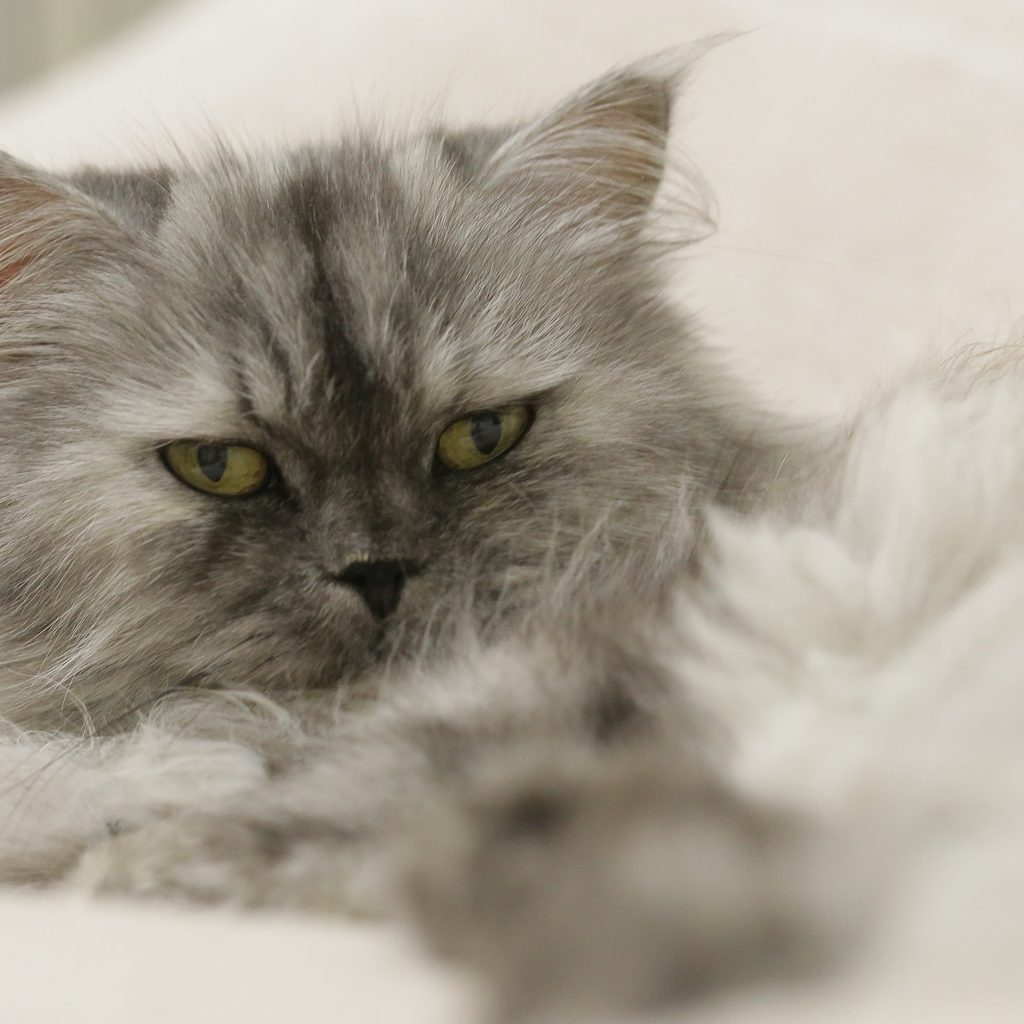
Other ways cats express emotions through their eyes
A slow blink may sound like the ultimate display of trust, but your kitty could actually take it one step further. You can know without a doubt that your cat feels safe around you when she can relax with their eyes completely closed. This is even more vulnerable for a cat than offering a slow blink, so make sure not to startle your feline friend if she’s chilling with their eyes closed nearby.
Alternatively, a cat may perform a slow blink in one eye at a time (or one eye only). This might look like your kitty has something in her eye, but that’s not likely the case unless you notice her pawing at her face or expressing other signs of discomfort.
When a cat stares, she may be issuing a challenge to prey or to an opponent. This is often a technique of asserting dominance, though you may also see it when your cat is focusing on something interesting.
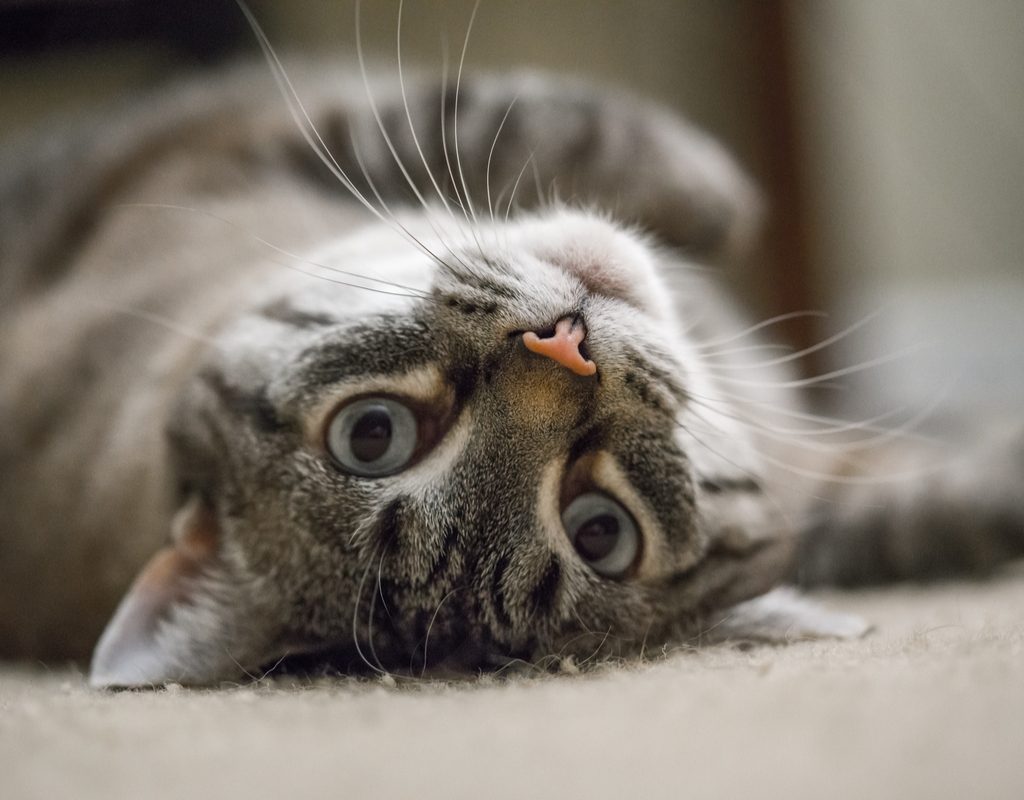
Other signs of affection that cats can offer
Your cat is doing a lot to show you that it loves you. Here are a few other signs you can look for that show your cat trusts you and is bonding with you.
Displaying their tummy or sleeping on their back
This is one of the biggest things your cat can do to show affection. A tummy display is a highly vulnerable position. If your cat is comfortable enough to show her tummy, your cat has serious trust in you and its environment.
In the wild, showing a tummy could mean death. It means subservience. It’s not something that you’ll ever see an alert animal do, so take this time to show your cat how much you love her when she shows her tummy to you.
In some cases, this could be a defensive posture, however. Make sure your cat is relaxed entirely, or you could meet the claws. The trick is to check to see if your cat’s body is relaxed before you go in for petting.
Tail postures can mean more than you think
The tail is also an excellent way to find out if your cat is feeling happy and affectionate. If your cat walks between your legs and curls her tail around her, this could be a sign of affection. Likewise, if your cat’s tail is high but relaxed, that’s also a sign of affection and confidence.
If your cat has an arched back and rigid tail, that’s a sign of distress, while a tail tucked between her legs is a sign of anxiousness. Keep your eyes peeled for her body language so that you can know what your cat is feeling.
Cats might not speak words but frequently communicate with you using their bodies and vocalizations. The slow blink is one of your cat’s most valuable body language tools, but it’s also so subtle that you might overlook it unless you know what to look for. If you notice your cat slowly blinking at you, be flattered — and by all means, return the compliment! A slow blink indicates that your cat trusts you and is happy to be around you. Slow blinking back shows him you feel the same way about him and can help the two of you bond more closely.