Cats do weird things sometimes, and we love them for it! After all, cats go viral with their hilarious antics all the time. However, their strange behavior can also cause cat owners some concern. If you’ve ever seen your cat sleeping with her eyes open, for example, you know exactly what we mean. Not only does this look frightening, but it also might spur some crucial questions in your mind. Why do cats sleep with their eyes open? Is it a medical problem? Should I be worried?
Take a deep breath, and keep reading to find out.
Can cats sleep with their eyes open?
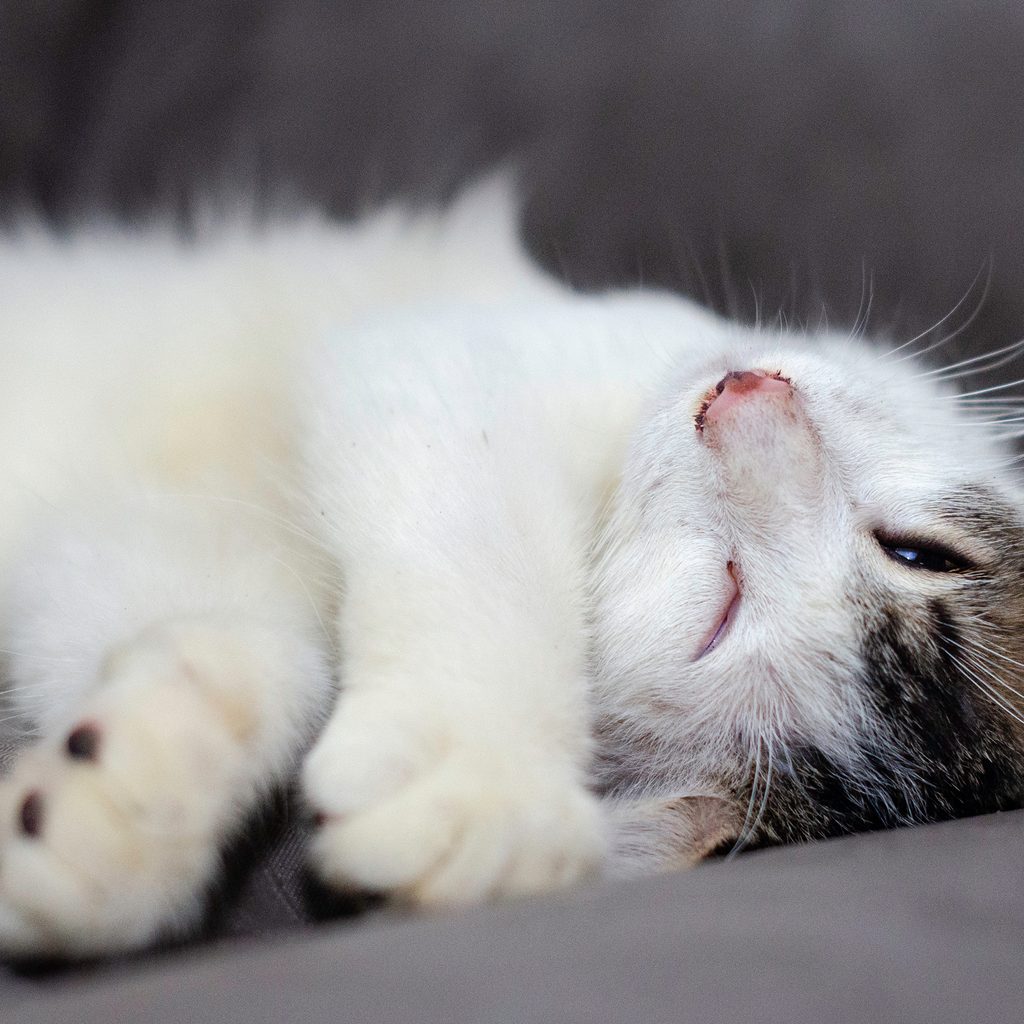
If you’re reading this article, you have probably already observed your cat sleeping through the day with her eyes open. Not all cats do it, and cats that can don’t usually do it all the time. The first time you notice your cat sleeping with her eyes open, it can be quite jarring. It looks a little spooky, and you may start to worry that something is wrong with her.
In the majority of cases, however, sleeping with open eyes is no cause for concern. Many cats sleep with their eyes partially open from time to time, but researchers have found that the trait is more common in older cats.
Even though this behavior is normal, keeping an eye on your kitty is still a good idea. In some rare cases, sleeping with their eyes open can indicate a medical issue. If you notice your cat sleeping with her eyes open and she’s twitching, for example, schedule a vet appointment right away. Cats who twitch during sleep could have epilepsy, and a vet appointment is the only way to get your cat a definitive diagnosis.
Why do cats sleep with their eyes open?
So, while this behavior isn’t unusual, you may still be wondering why cats can sleep with their eyes open. The explanation may surprise you and make you marvel at your cat even more.
Light sleep can lead to eyes-open sleeping
Just like us, cats experience a sleep cycle with multiple stages. Their eyes are more likely to open when they are in a light sleep. Although they are resting, their body is still aware of their surroundings and reacts to everything happening. You may also notice their ears twitching and facing in the direction of whatever has caught their attention.
While your home is a safe place, your cat’s instincts never take a break. Sleeping with her eyes open allows your feline to keep track of her environment and feel more at ease. During the deeper REM (rapid eye movement) sleep stage, most cats will not sleep with their eyes open (though it is still possible).
Eyes open due to injury
A cat may also sleep with their eyes open because of an injury. Cats have a translucent third eyelid beneath the other two. You may not see a visible injury if this eyelid is wounded, but your cat may be unable to close her eyes. An eyelid injury is easy to spot, especially when your cat is awake.
If the eyelid is damaged, the cat may need surgery. Luckily, eyelid damage is rare and probably not why your cat is dozing with her eyes open. But if your cat is experiencing any other symptoms, be sure to take her to the vet for a full checkup.
How do cats lay when sick?
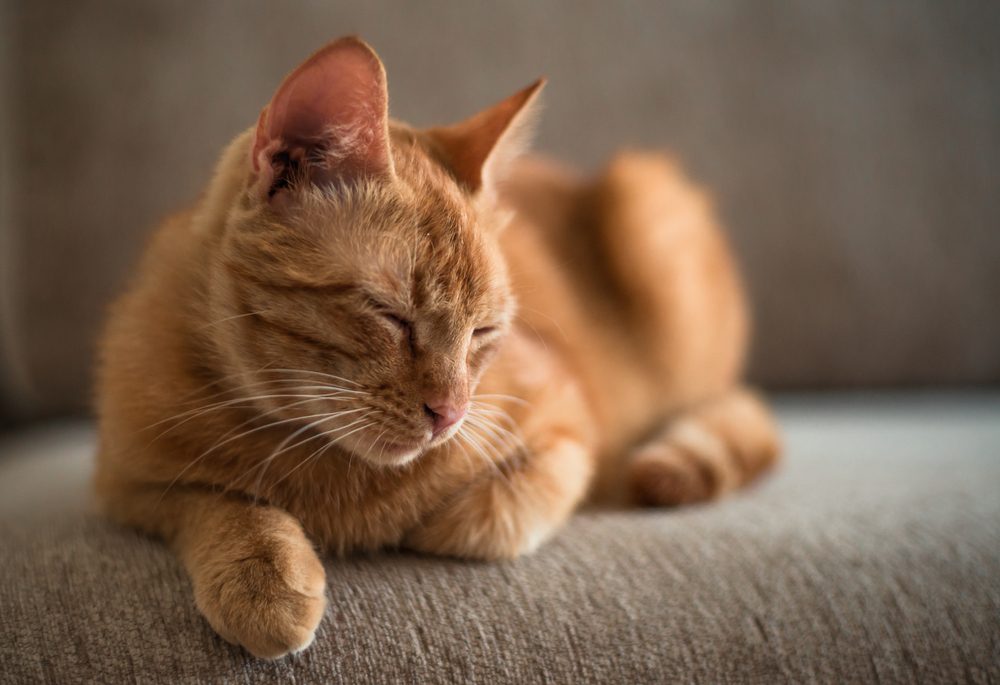
If your cat sleeping with her eyelids open likely doesn’t indicate a problem, what does? You’ll get used to all her various sleeping positions, so you should spot when a new one comes along that could indicate a problem. Cats tend to hunch over or tense up when not feeling well. That means you could look for her head drooping, but not in a sleepy way.
Only take this as a bad sign if it’s very sudden or accompanied by other symptoms like tummy troubles. Lastly, cats sometimes sleep a lot more or stay up all night when they have a bug — keep your eye on the number of hours, too.
Should you be concerned?
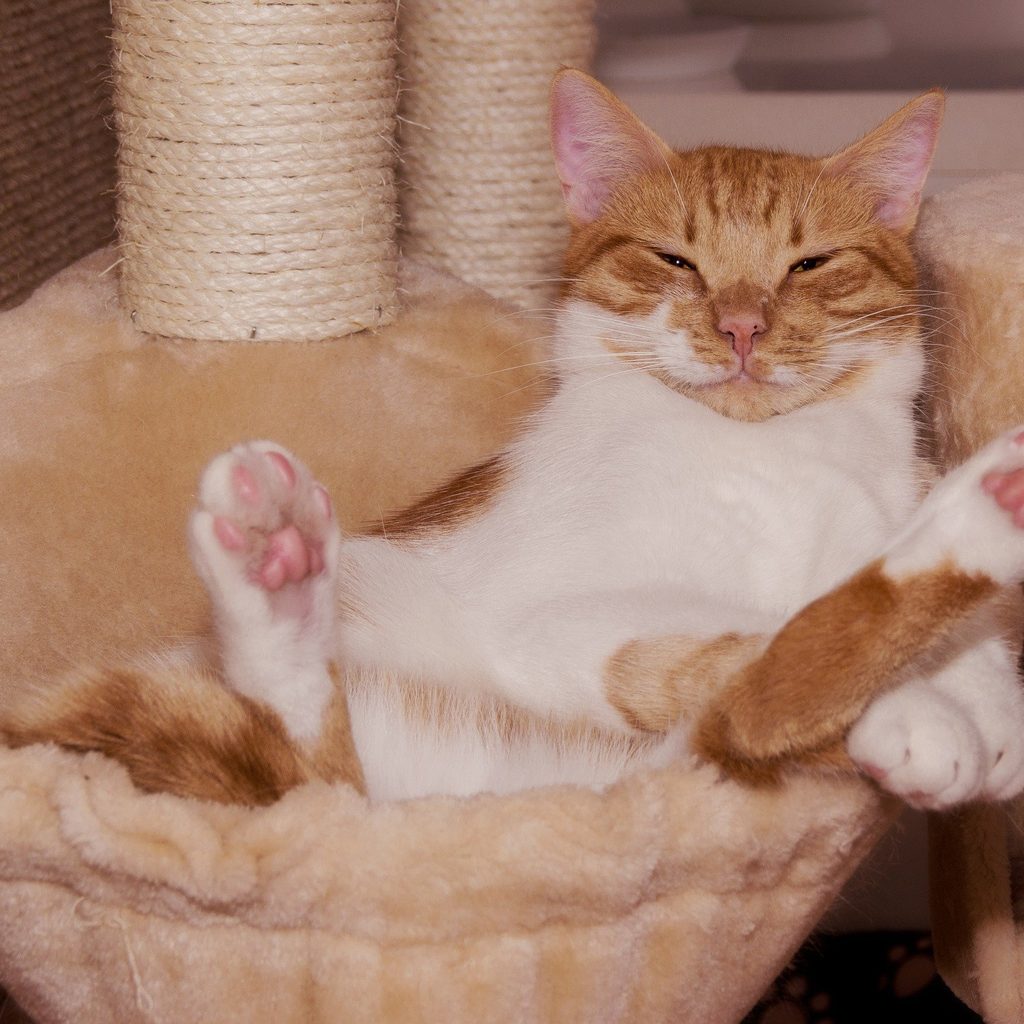
In the grand majority of cases, the answer is no; there’s no reason to worry because your kitty is sleeping with her eyes open. However, if she’s showing other symptoms, like twitching, seizing, or eye trauma, you may want to schedule an appointment with your vet.
They can let you know if your cat is experiencing a medical problem. Most of the time, though, it’s entirely normal — if spooky — for cats to sleep with open eyes. Nothing is wrong with your kitty.
Helping cats sleep well
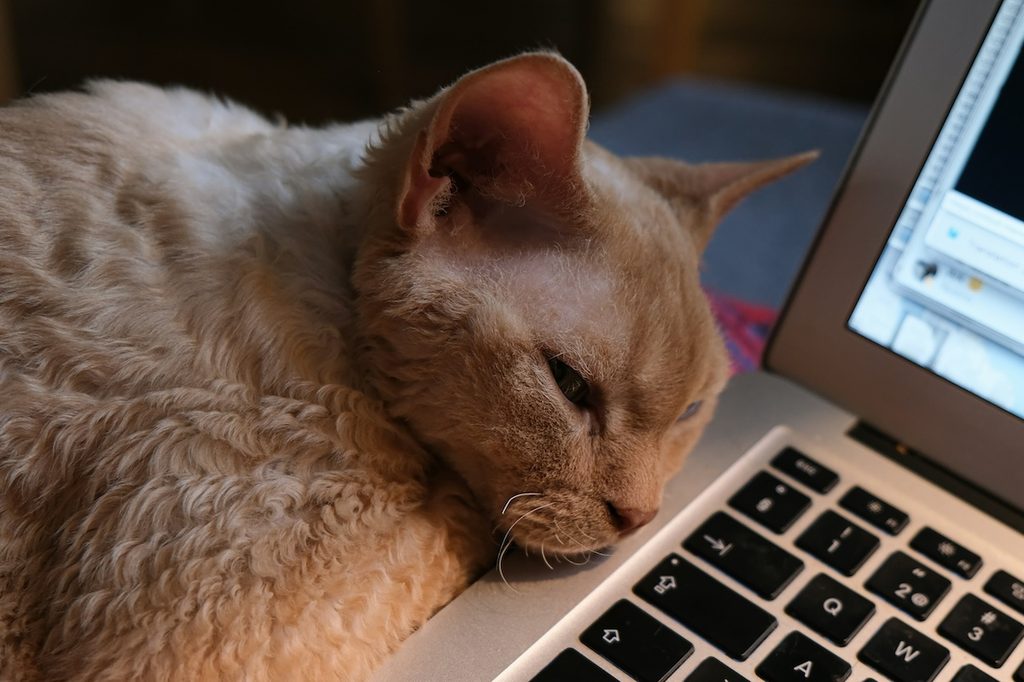
Although eyes-open sleeping can be a result of REM sleep, it’s not necessarily a sign that your cat isn’t sleeping well. Even so, it can be a great reminder to keep your kitty’s sleeping quarters as cozy as possible. Some cats nap just about anywhere, but if you notice your cat gravitating towards specific areas like a bed or cat tree, make sure to keep the area peaceful and quiet while your four-legged friend is resting.
To further encourage a good night’s rest, try playing with your cat before bed or even feeding them a small meal. They’ll be sleepy in no time.
Cats often do things that are weird, funny, and incomprehensible to us. Seeing your cat asleep with open eyes can be a bit unnerving. But just remember: Cats like to be aware of their surroundings at all times, which can result in snoozing with their eyes open. Pretty normal, as cats go; nothing you need to lose sleep over.