
Few cats attract as much online attention as the Devon rex, one of the cutest and most energetic breeds out there. While many absolutely LOVE their Devons, this kitty doesn’t work for every household. Like all other types of felines, they require specific care that you’ll have to research carefully before bringing home this lovable pet.
But don’t let that deter you. Devon rex cats make wonderful companions for the right owners who are fully prepared for the bouncy breed. Here’s everything you need to know about the Devon rex cat and how to take care of this feline.
The history of the Devon rex
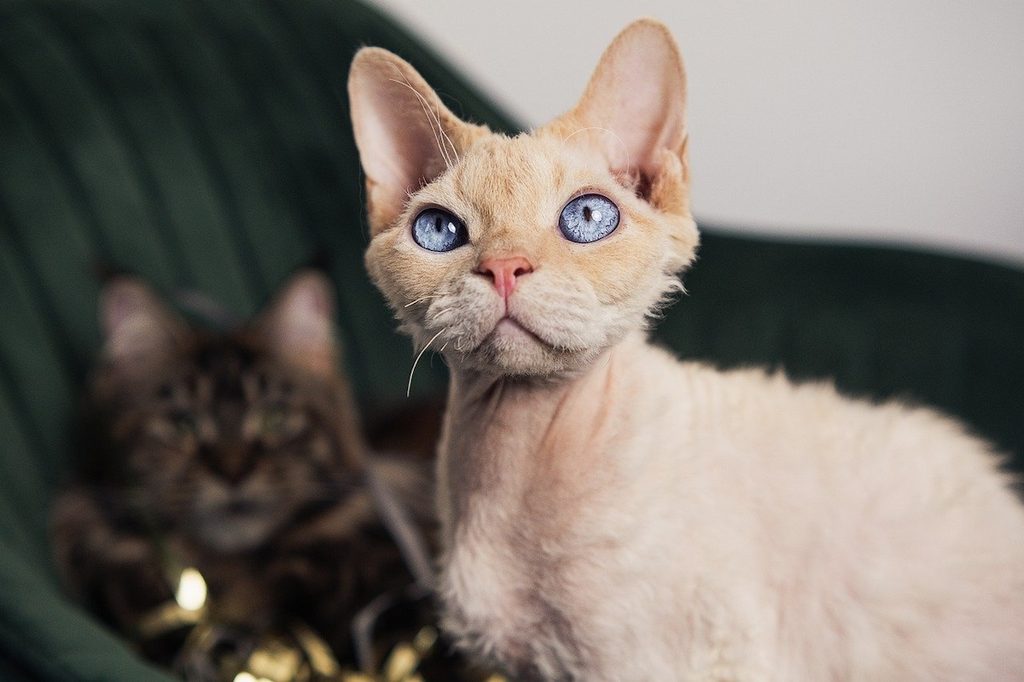
Cats have a long domestic history going back thousands of years. They were prized by some ancient cultures, in Egypt, for example, where the god Bastet took on the form of a cat. The Devon rex, though, only dates back about 60 years to the 1960s in the English countryside, the county Devon, hence the name.
While the Cornish rex sprung up around a similar area, it seems the two breeds aren’t actually interrelated. Instead, the daddy cat of the first Devon rex was a stray with curly hair. That unique trait continues today in the Devon rex breed, which is certainly part of their appeal, but that also contributes to their high-maintenance aesthetic.
Devon rex personality and appearance
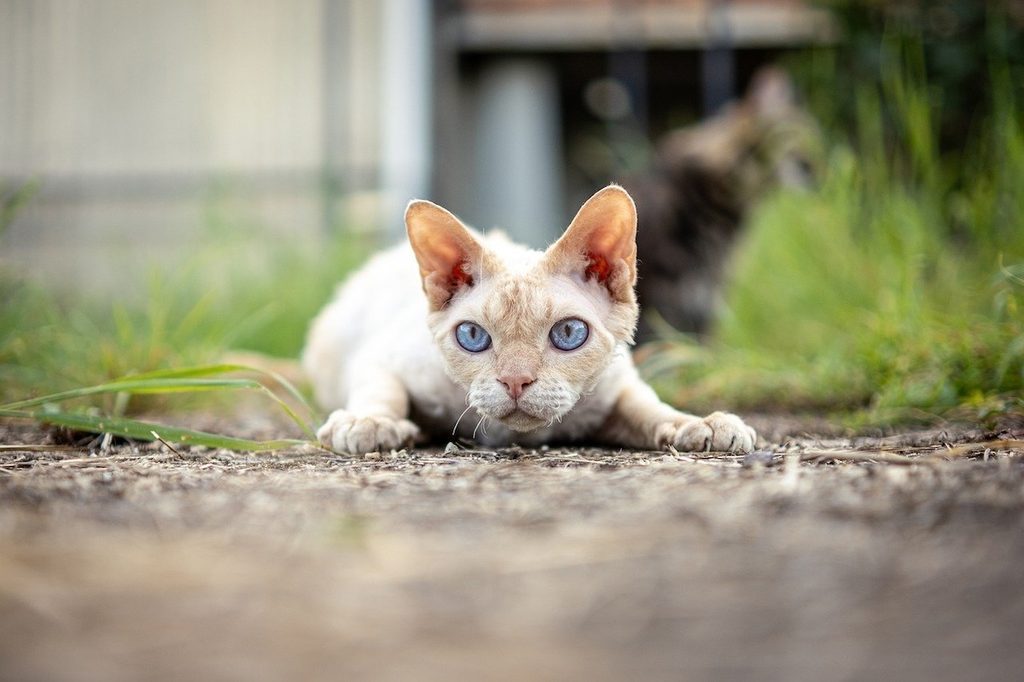
Many owners get drawn in by their big and soulful eyes and extra chiseled jaws. You’ll notice this mouser doesn’t look exactly like their other cat brethren. Instead, the Devon has slightly different proportions, which only add to the appeal. On top of their unique facial features, remember this four-legger sprouts curly fur, sometimes earning the nickname “poodle cat.”
In terms of disposition, the rex is best known as a clown because they’re playful and funny. To top it off, your animal will love to jump. One of the most important aspects of owning this cat is also buying plenty of cat trees. Don’t worry though, they’ll more than make up for it by giving you attention in return.
How much does a Devon rex cost?
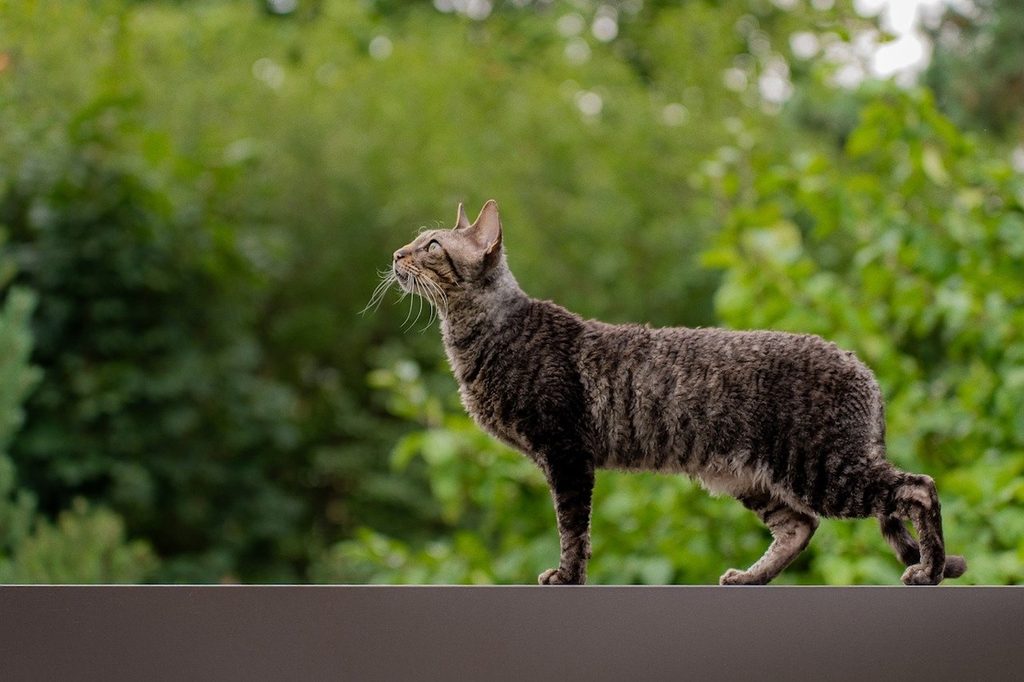
For the most part, a Devon rex costs the same as any other cat to take care of (we’ll get to grooming in a second). However, you might find the upfront price tag on these beauties to be a little higher. That’s mainly because you probably won’t happen upon a purebred Devon in a shelter, although you should absolutely search for local rescue groups once you decide that this is the cat breed for you.
Even the average rescue might ask for a few hundred dollars since they have to pay to house the kitty before they choose you. If you go through a breeder, though, expect to pay about $1,000+, potentially even more depending on where you are and what pedigree you look for.
When it comes to keeping their coat shiny and clean, you don’t want to overdo it. In fact, heavy brushing can actually hurt your cat, as it might cause her fur to break. Instead, either take her to a groomer or use a special brush. Even just your fingers running through her main can maintain the coat.
What to expect from your Devon rex?
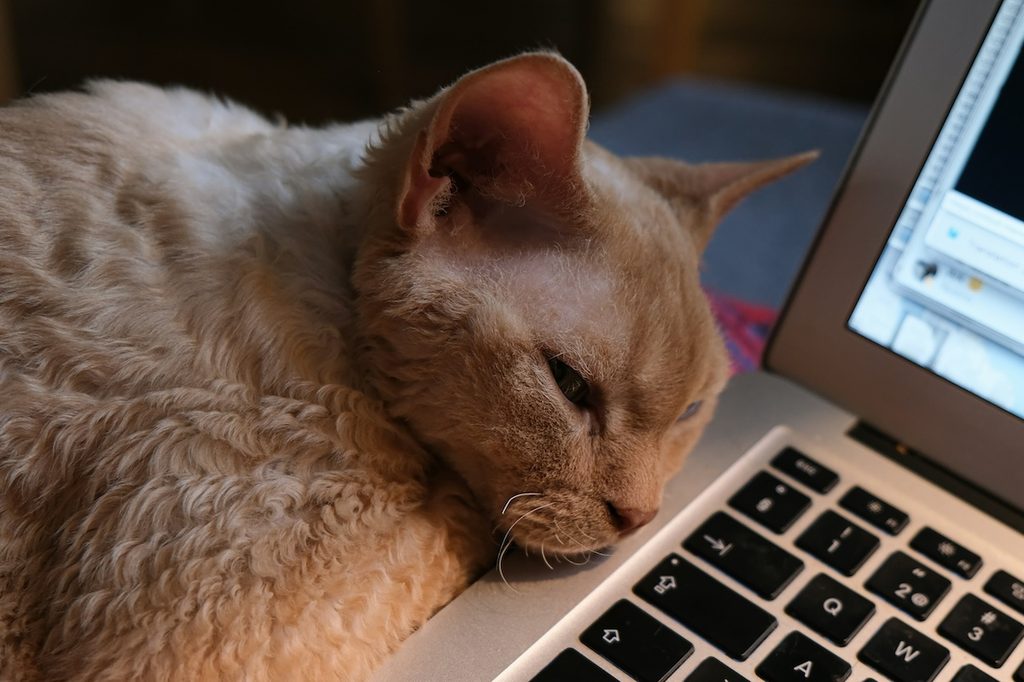
When you sign up to be a Devon rex parent, you’re agreeing to a vibrant and energetic cat. While they only reach about 8 to 10 pounds, your kitty will make up f0r that in spunk. The particular fur on the Devon rex can pose some challenges, too, for both you and your pet. In addition to strict grooming standards, you also want to be mindful of their temperature. Many cats of this breed can easily get hot and cold, requiring sweaters in the winter and a cool spot in the summer. Keep all the proper accouterments on hand for the rainy — or sweltering — day.
Cats all have individual personalities and the Devon rex breed might come with double. Even so, they aren’t considered a particularly difficult breed, but definitely one that requires a bit of extra attention and care. The fur alone means you’ll have to do more research and a bit of grooming. When you settle on a Devon, commit to decking out your new pet with plenty of cat trees, toys, and treats to keep them occupied. But that really isn’t enough. All pets want their humans to give them lots of attention and in return, your cat might deign to look your way. Don’t fret though, as the Devon rex generally loves people and will make a wonderful, family-friendly and affectionate cat for your whole crew.