  1. Home
  2. Cats
  3. Evergreens

How much do hairless cats actually cost?

Hairless cats require extra care so they'll cost you more overall

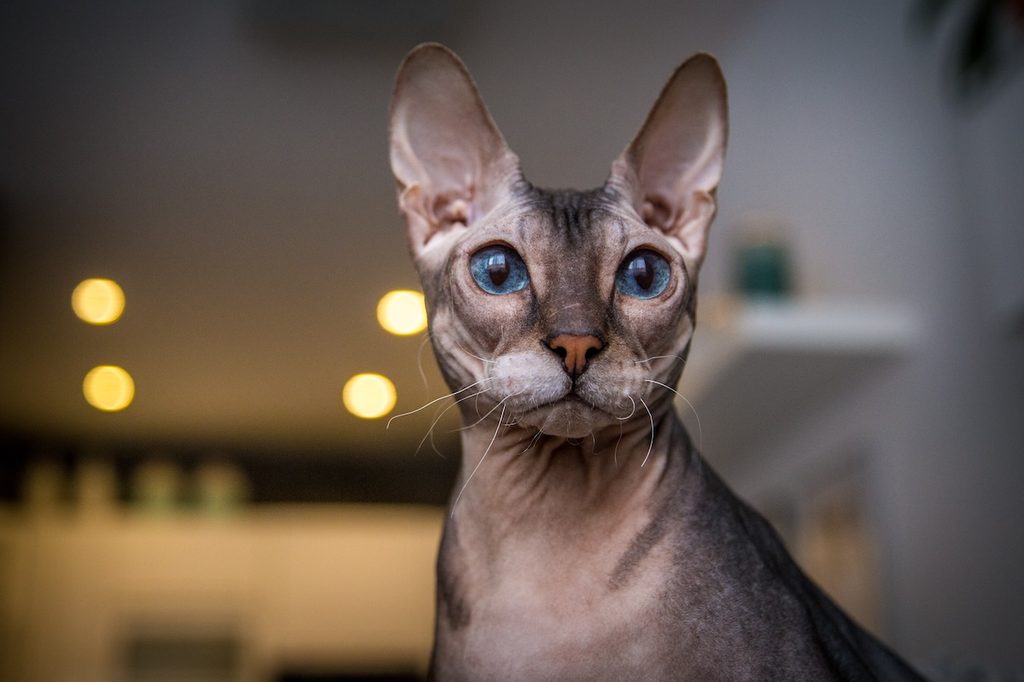
A hairless cat sits in their house
jurra8 / Shutterstock

Cat lovers unite around their collective adoration of felines, but they’re also divided along a few issues. One that often pops up is hairless cats. These slinky pets bring with them a few extra health challenges, and contrary to popular opinion, they don’t suit allergic families! Hairless cats will make you sneeze just as much as others since the allergens don’t actually come from the fur itself.

Still, many people love their hair-free beasties and they can make great pets, albeit slightly expensive ones. That’s right, hairless cats will set you back more than many other varieties. So, how much are hairless cats? We’ll break down the costs for you.

Recommended Videos

What is a hairless cat?

The lack of hair actually comes from a genetic mutation and isn’t necessarily indicative of one specific breed. Hairless cat breeds include the Sphynx, Bambino, and the Peterbald. Because of their lack of hair, they require some special care, which adds to the costs that you incur when you buy one from a breeder.

The most important thing to remember is that your pet’s skin is very sensitive, just like yours. That means they’ll need sunscreen, sweaters, and regular baths. If this marks your first time dipping your toe into the hairless cat world, you may want to discuss further with your vet to ensure you meet their care needs.

How much are hairless cats?

Let’s start with the upfront costs. Luckily, hairless kitties generally use all the same accouterments as standard cats, meaning you’ll want a litter box, bed, and toys as with any furry friend. However, prepare to pay more to bring them home than you would otherwise.

Hairless cats generally have to come from a breeder as you’re less likely to find them from a rescue, though it does happen sometimes. Expect to pay up to $3,000 for your new buddy and sometimes even more for very rare finds. On top of those costs, you’ll want to budget for grooming or learn how to do it yourself. It varies from cat to cat, but you’ll probably wash your sweet pet weekly. Make sure you have the correct shampoo, and don’t forget the sunscreen if they spend any time outside or near a window. Lastly, felines with no fur will need a sweater in colder months and often double blankets to compensate for not having that layer.

Owning a hairless cat won’t cost a lot more than your average mouser, but they’ll likely cost a bit more upfront and require some extra dollars for shampoos and clothes. The good news is that most of these animals have few overall health problems. Provided they get the right care, they live a long time. So, you should consider your hairless baby a good investment.

Rebekkah Adams
Former Contributor
Rebekkah’s been a writer and editor for more than 10 years, both in print and digital. In addition to writing about pets…
Topics
Can cats eat apples? What’s safe and what’s not
How to prepare apples for cats
Fluffy cat looking at table of apples

It's essential to feed your cat a nutritionally complete diet, but you have a lot more leeway when it comes to cat treats. Meals should make up most of your feline friend's diet, so the treats you choose don't have to be as nutritious and filling. Treats are for enjoyment and rewards! Many human foods are safe to share with your cat as treats and some are toxic, but it can be hard to remember what's on the list.
If you've ever wondered, "Can cats eat apples?" you're not alone. After all, fresh fruits are an essential component of a balanced diet for people, so is it the same for cats? Let's find out!

Can cats eat apples?

Read more
Cats with big ears: Check out these adorable breeds
Cat breeds known for their large ears
Oriental shorthair cat with huge ears sleeping

Every pet cat is unique, showcasing their one-of-a-kind personality and adorable looks. While some cats may resemble each other, many fabulous felines have distinctive features that are hard to overlook — like cats with big ears. Even though their large ears may catch you off guard, it’s undeniable how cute these cats are.
Due to centuries of evolution and selective breeding, certain cat breeds naturally have larger ears than others. In addition to their impressive hearing abilities and big-eared appearance, these breeds are wonderfully diverse. There truly is a cat breed on this list for everyone.

Do big ears mean better hearing?

Read more
How to treat ringworm in cats safely and effectively
Effective treatments for cats with ringworm
Orange cat scratching an itchy spot on its neck

If you ever notice irritated skin or hair loss on your cat, your first thought might be that your cat has fleas. That could be the case, but it's also possible that a bout of ringworm is to blame. Ringworm can be both irritating and uncomfortable for your cat, and it can also spread to people and other pets in your home. Therefore, it's crucial to identify and treat ringworm in your cat as soon as possible. Prompt treatment can help minimize or prevent ringworm in cats, allowing your cat to feel comfortable and happy again quickly.
What is ringworm in cats?

Ringworm might sound like a worm or parasite, but it's actually a fungal infection that affects your cat's skin and hair. Several types of fungi can cause ringworm infections, and these fungi can also infect humans, dogs, and other cats.

Read more