Litter-training a kitten isn’t always a breeze. Your young pet may not understand when he’s supposed to use the litter box, or he may have trouble getting there in time. Your kitty may avoid the litter box if he dislikes its size or location or the type or amount of litter, or something else might make the cat uncomfortable. Here are tips on how to litter-train a kitten and ways to handle some of the most common issues that pet parents encounter.
Choose the right box and location
Size
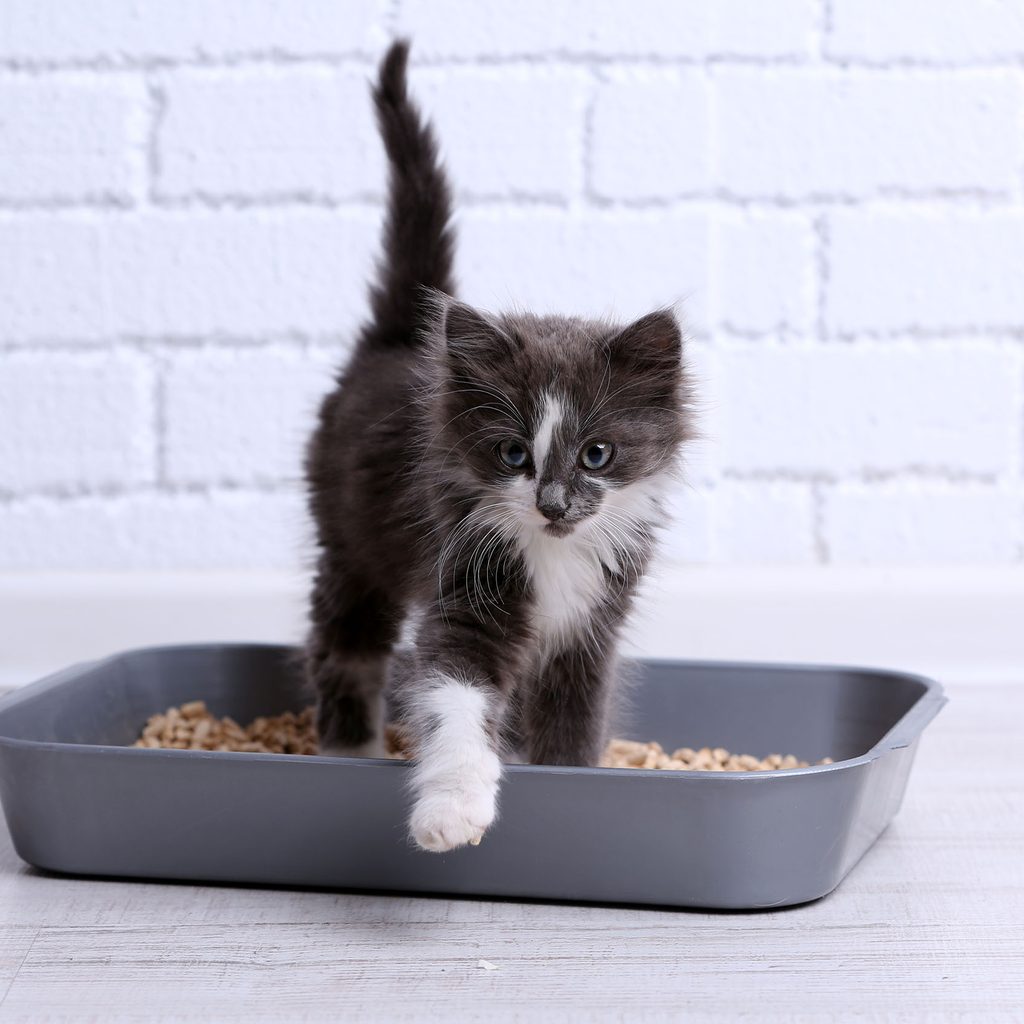
Look at things from your kitten’s perspective. The litter box needs to be a height that’s easy for your young pet to get in and out of. It should also be large enough for a cat to turn around and eliminate without touching the sides of the box
The litter should be at least 3 inches deep. Cats tend to prefer clumping litter with a fine grit, but that’s not the best option for kittens.
Location
The litter box should be in a quiet area where your kitten feels safe. If your young kitty is overwhelmed by life in a new house and feels skittish around people and other animals, putting the litter box in a high-traffic area is a bad idea. Your kitten may be frightened by the noise and may therefore avoid the litter box.
If you have multiple cats, a good rule of thumb is to have one more litter box than the number of cats. For instance, if you have two cats, you should have three litter boxes spread throughout the house. If your home has multiple floors, put one box on each level.
How to litter-train your kitten
When you bring the kitten home for the first time, take him to a room where a litter box is located and let the cat explore. When you allow the kitten to wander through the rest of the house, leave the door open so he can access the litter box if necessary.
Place your kitten in a litter box when he wakes up, after he eats, and anytime you think he might need to go. If the kitty is crouching or sniffing the floor, he may need to use the litter box.
How to address common problems
If your kitten doesn’t like using the litter box, the problem may be related to the litter. Cats are sensitive to smells and textures. Try switching to a different type of litter and see if your kitten likes it better.
Your kitten may avoid the litter box if you aren’t cleaning it often enough. You should scoop out clumps daily and regularly dump the litter, clean the box with soap and water or vinegar and water, and put in fresh litter. The frequency will depend on the number of cats who share the box and the type of litter you use. If the litter box has a lingering odor after you clean it, replace the box.
Some cats prefer a litter box with a cover for privacy. Others feel claustrophobic in an enclosed litter box and prefer one with an open top. If your kitten doesn’t seem to like using the litter box, see if adding or removing a cover helps.
If you have another cat and your kitten seems to be avoiding the litter box, he may feel intimidated because the older pet is being territorial. The younger cat may also be nervous because the other cat is bigger and the two haven’t grown accustomed to each other yet. Giving your kitten his own litter box in a different room may resolve the issue.
It’s common for both kittens and older cats to throw litter onto the floor when they cover their waste. If your kitten makes a mess, lay a mat under the litter box to protect the floor and make cleanup easier.
Use praise, not punishment
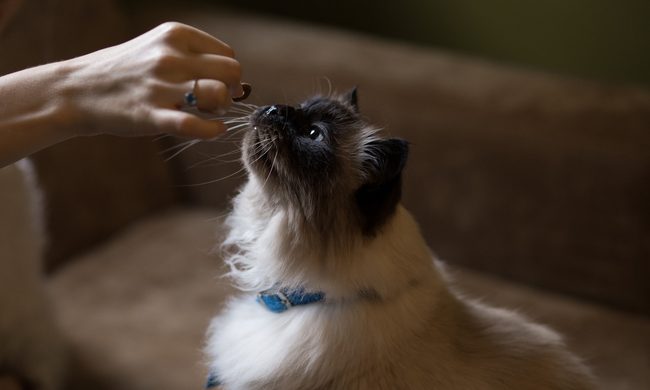
Praise the kitten when he uses the litter box. You may also want to reward him with a treat or a toy at first.
Kittens make mistakes. If you catch your new pet eliminating outside the litter box, carry him to the box so he can finish. If you find waste after the fact, clean the area thoroughly so there is no lingering odor.
If your kitten eliminates outside the litter box, don’t get angry or punish him. Yelling at your new pet or rubbing his nose in the waste will make him fear you and will make litter training even more difficult.
If the problem persists, consult your veterinarian for advice. The vet may also conduct tests to find out if your kitten has a medical issue.