Litter boxes come with having a cat, but stinky litter boxes can be hard to cope with. Sometimes no matter how thoroughly or how often you clean the box, the smell seems to linger in your home. The good news is that you don’t have to live with an overpowering litter box smell, and there are plenty of steps you can take to make it much more tolerable for you, your family, and your cat. If you’re wondering how to keep the litter box from smelling, then you’ll want to consider these handy and easily implemented litter box smell hacks.
Clean and wash regularly
If your cat’s litter box is unusually stinky, then you might be able to immediately improve the situation with frequent cleaning. Doing a daily spot cleaning can reduce odors, making the box more pleasant for both you and your cat.
It’s also essential to thoroughly wash out the box during your weekly deep clean. Washing the box with soap and water and giving it a good scrub can help remove bacteria that can cause those smelly odors. Be sure to also dry the box thoroughly after cleaning it to prevent litter from quickly getting stuck to the sides. Even with regular, thorough cleaning, plastic boxes can hold odors over time. So, replace the box once a year to keep it fresh.
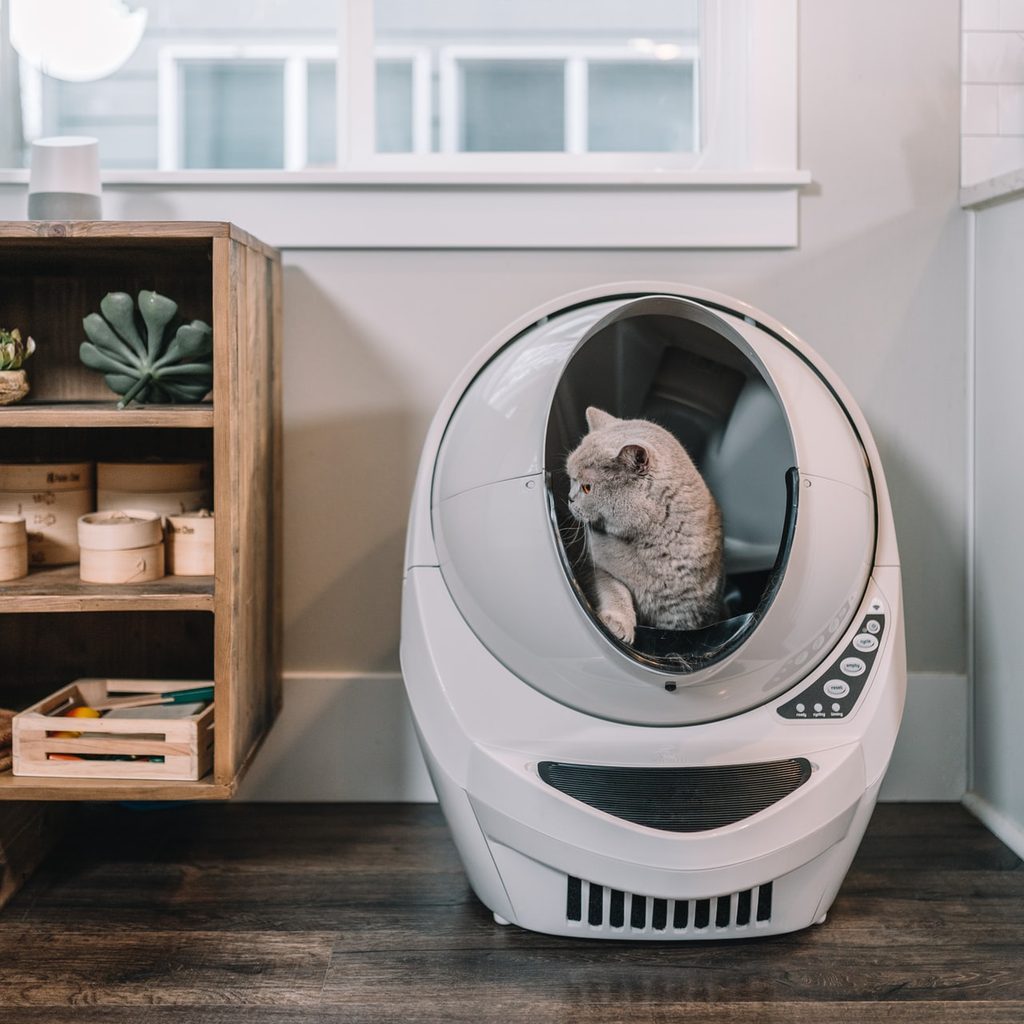
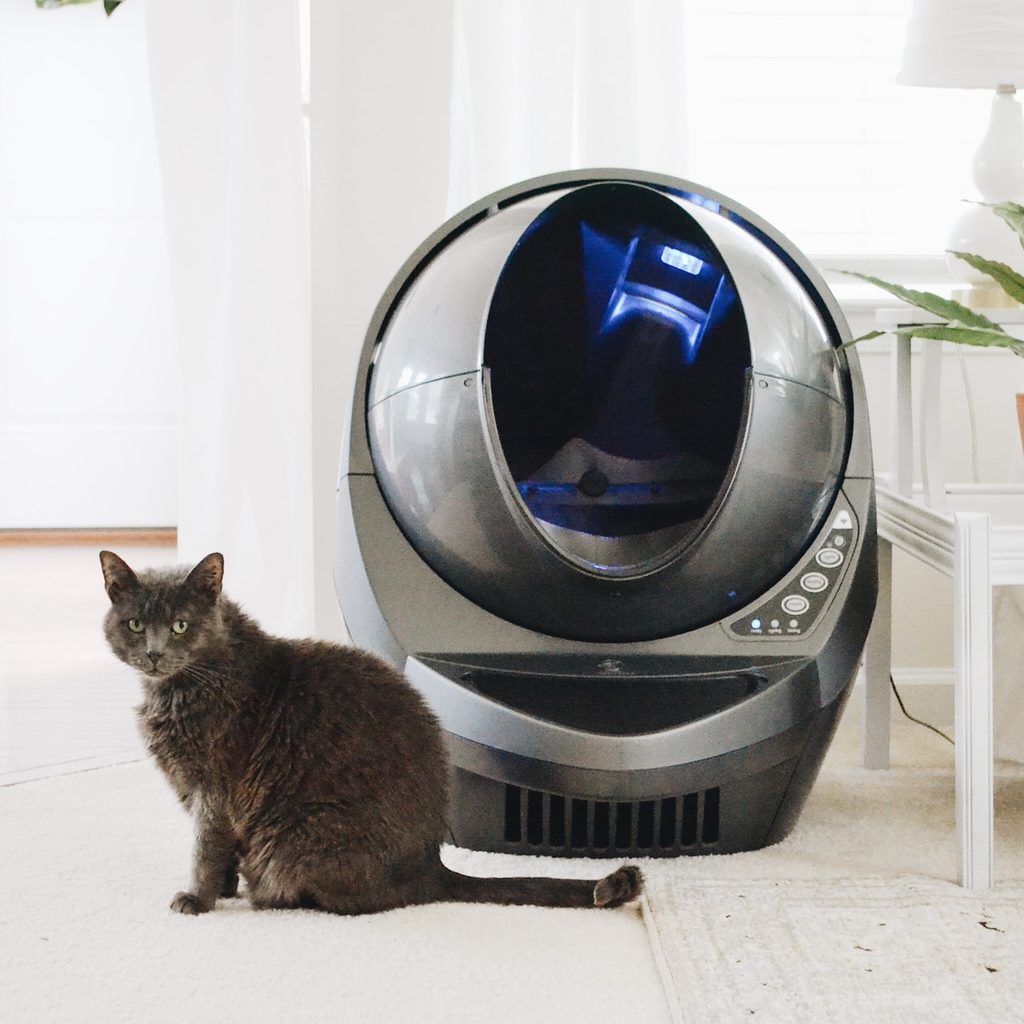
Self-cleaning litter boxes can help reduce some of your work, and they can cut down on odors for some cats. If you’re considering one, be sure to keep a traditional litter box around, too. Some cats are especially picky and won’t immediately take to a self-cleaning box — while other cats will never be comfortable using them.
Add a deodorizer
When you clean your cat’s litter box, consider adding in a deodorizer. A sprinkle of baking soda before you add in the cat litter can help cut down odors. You can also buy commercially available litter box deodorizers, but these often have stronger scents. Some cats won’t appreciate the scents and might not want to use their box. If you can find an unscented product, that may be preferable over a scented option.
You might also experiment with different types of cat litters. Some litters can naturally smell better, and clumping litters let you easily scoop out urine daily for less odor. If you do change litters, do it gradually and make sure to choose a new litter that your cat will accept and use. Cats can be choosy, so introducing a litter that your cat doesn’t like could result in his doing his business outside the box.
Whether you’re adding in a deodorizer or trying out a new litter, make the change in only one of your home’s litter boxes at a time. If your cat doesn’t appreciate the change, he’ll still be able to use the other litter box, which can help prevent accidents.
Create ventilation
You might be tempted to park your cat’s litter box away in a closet or other enclosed space, but that can actually make odors worse. Instead, maximize ventilation by locating the box somewhere that sees plenty of air circulation without being drafty. A larger bathroom or basement can be ideal. Remember, these areas still need to be quiet, out-of-the-way spaces where your cat will feel comfortable.
While you’re reassessing where you keep litter boxes, make sure you have enough boxes for your home. It’s best to have one more litter box than you have cats. If you have one cat, plan on two litter boxes. If you have three cats, get four boxes. Having more boxes will give your cats additional choices of which one they want to use, so no one box sees excessive use and excessive smell buildup.
Litter boxes don’t have to be super stinky, especially when you take steps to thoroughly clean them regularly. Finding the right combination of litter box numbers and locations, cat litter, and deodorizing products can take a little time and experimentation. You might find that a combination of these hacks works best for your home and cats. Whenever you make changes to your cat’s boxes, make them gradually and keep an eye on your cat to make sure he accepts them. With some trial and error, you can eventually minimize litter box odor and create a healthier environment for both you and your cat.