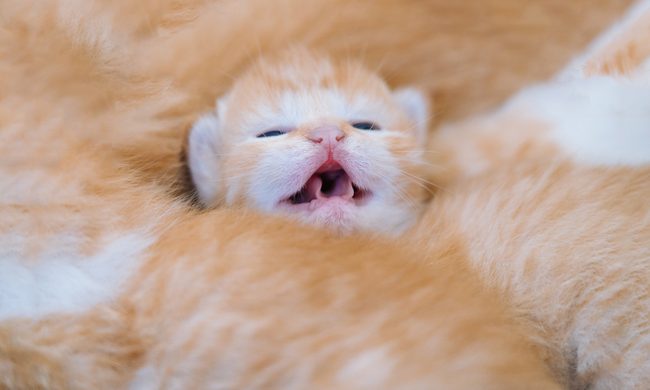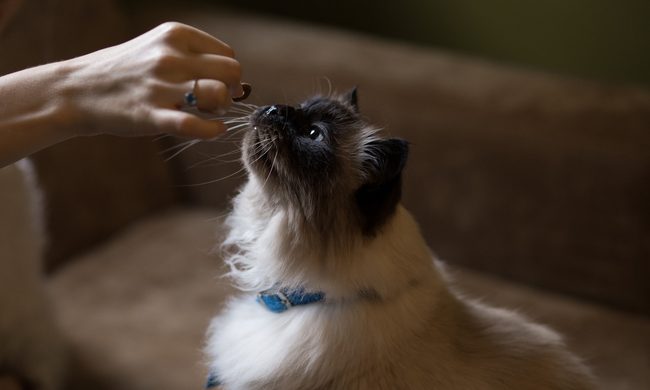
Unless you fostered and bottle-fed a kitten, you’ve likely been feeding your little furball the same food since you brought him home. However, switching from kitten to adult cat food is an important step in your pet’s development.
Kitten food has different nutritional content than food formulated for adult cats. Young cats need more calories to give them all the energy they need to grow big, strong, and healthy. Kitten food also has more fat and protein, along with a fatty acid known as DHA to help their eyes and brains develop. Additionally, the calcium and phosphorus content in kitten food supports bone growth.
Adult cats don’t need these extra nutrients, and the added calories can cause them to put on unnecessary weight. Since kittens and adult cats have different needs, it’s essential to know precisely when to switch from kitten to cat food. This guide will help you understand when and how to make a smooth transition.
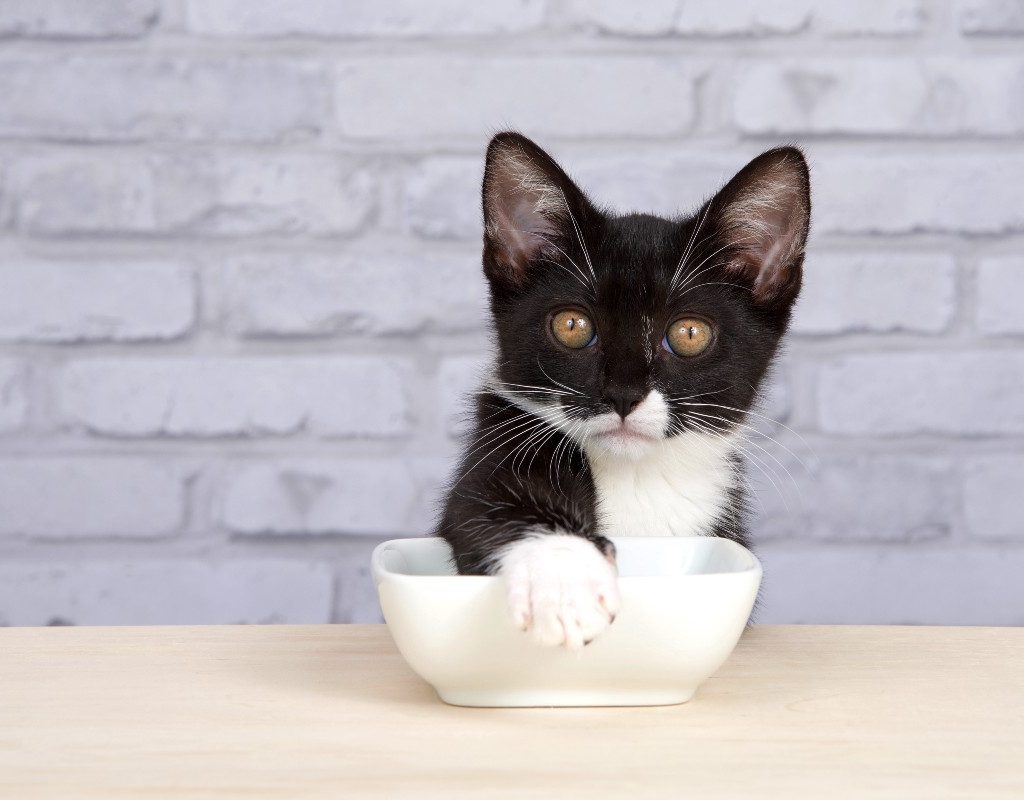
When to switch from kitten to cat food
The exact time to switch from kitten to cat food will depend on your specific pet. Your vet can guide you.
That said, generally, pet parents can safely make the switch when the cat reaches adulthood at around 10 months to a year old. Some cats can begin the transition as early as eight months, while others may need to be on kitten food significantly longer. Some breeds, such as Maine coons, don’t fully mature until they are 18 to 24 months old, so they’ll probably need kitten food until that time.
How long should a kitten eat kitten food?
Cats should eat kitten food until they have fully matured. A vet can let you know when this time comes, but it’ll be somewhere between eight months and two years, depending on your cat’s needs, weight, and breed.
It’s also essential to note that you will not be switching food overnight. It’s a process that can take a week or two, so your adult cat may still be getting a portion of kitten food past their first birthday. Some cats are particularly finicky eaters, and you may need to transition more slowly.
You’ll want to serve a mix of kitten and cat food during the transitionary period so that your pet gets used to the taste and texture of the new food. It can also help prevent digestive problems. For example, you might start by serving 75% kitten food and 25% adult cat food for the first two days. Over the next seven to 10 days, gradually increase the adult food and lower the amount of kitten kibble. Keep an eye on whether your cat is eating it or experiencing digestive issues, and consult your vet if you have questions or concerns.
Once the transition is over, your feline friend should officially be off kitten food.
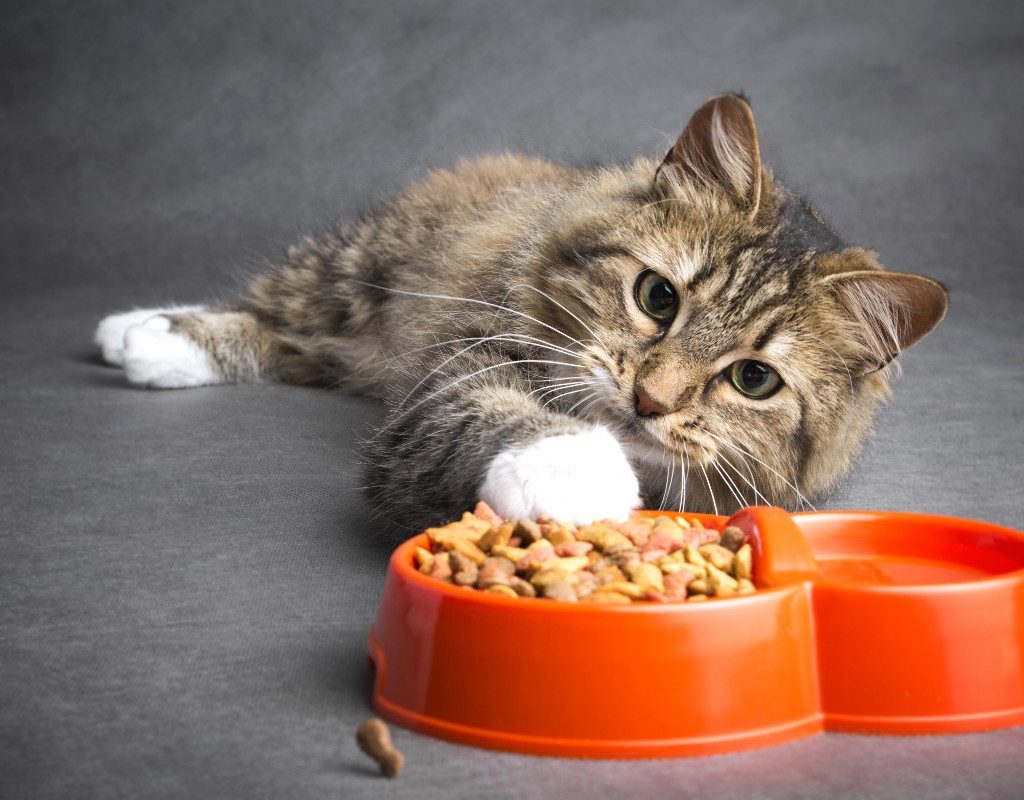
What happens if a kitten eats cat food?
Sometimes, your kitten may get into some adult cat food. Perhaps you were getting ready to make the switch but your devious little one broke into her new food to give it a try. You may have an adult cat in the home, and your kitten may have eaten from their dish by accident. Since timing is important, should you be concerned? If it was just a bit, probably not. The problem with adult cat food is not that it is toxic to a kitten, but rather, it does not have all the essential nutrients your young pet needs to grow and develop. It’s best to feed pets in separate rooms to prevent mix-ups (which can also potentially lead to literal catfights) and keep adult food out of reach of a kitten. She should focus on nibbling on her specially formulated kibble. You’ll make the transition when the vet says she is ready. Food labeled “all life stages” is usually fine for cats of any age, but speak with your vet first.
Final thoughts on cat food
It’s important to time the switch from kitten to adult cat food correctly to ensure your kitten is getting all the calories and nutrients to foster development and your adult cat is getting the best food for his mature mind and body. The exact moment to begin the transition will depend on your cat’s age, weight, and breed, and your vet can provide the best guidance. The shift usually happens around a feline’s first birthday, but it is a gradual process. You’ll continue to feed a portion of kitten food for at least a week or two as you complete the transition. Don’t worry if a kitten taste-tests a bit of adult food before it’s time to transition, but try to make sure he doesn’t get any more until it’s truly time to transition for good.