Cats’ meows are cute and all, but nothing turns heads quite like their chattering. It’s a unique, distinctive sound that can be somewhat of a shock to new cat owners, so it’s only natural to have questions about this funny phenomenon. After all, not all cats chatter. Some felines will only chatter a few times throughout their lives, while others may chatter every day.
We’ll review questions such as, “Why do cats chatter?”, “Should I be concerned about chattering?”, and “Is my cat chattering or chirping?”. There can be a lot to decode within a cat’s noises, but we’re here to help. Before you know it, you’ll be fluent in feline, too!
Why do cats chatter?
We may teach babies that cats say “meow,” but the truth is they make many different sounds. If you’ve ever heard a tomcat yowling at other cats at night, then you know what I mean! However, there is a group of sounds that cats make as part of their natural predatory instinct, including both chattering and chirping.
Over millennia of evolution, cats have developed several successful hunting instincts, including chattering. According to Dr. Aimee Simpson, medical director of VCA Cat Hospital of Philadelphia, one theory is that this noise mimics bird songs, putting cats’ prey at ease and making them easier to catch.
In fact, domestic cats aren’t the only ones that do this. Dr. Simpson told The Wildest about a 2009 research study conducted in the Amazon rainforest. Results showed that Margays (a species of small wild cat that somewhat resembles a leopard) lured pied tamarin monkeys straight into their jaws by mimicking the sounds of pied tamarin babies. That’s the harsh reality of Mother Nature for you.
You may also notice that your kitty chatters while watching out the window or before pouncing on their favorite toy. This is because emotions like frustration and anticipation may play a role in this vocalization, too. Mousers may also chirp while they hunt or play, but most of the time, they use chirping to “talk.” Chirping while playing or hunting can be an attempt for cats to communicate with one another or even just an excited reaction. This differs from chattering because it’s a sound cats choose to make instead of a sound driven completely by instinct.
Is my cat chattering or chirping?
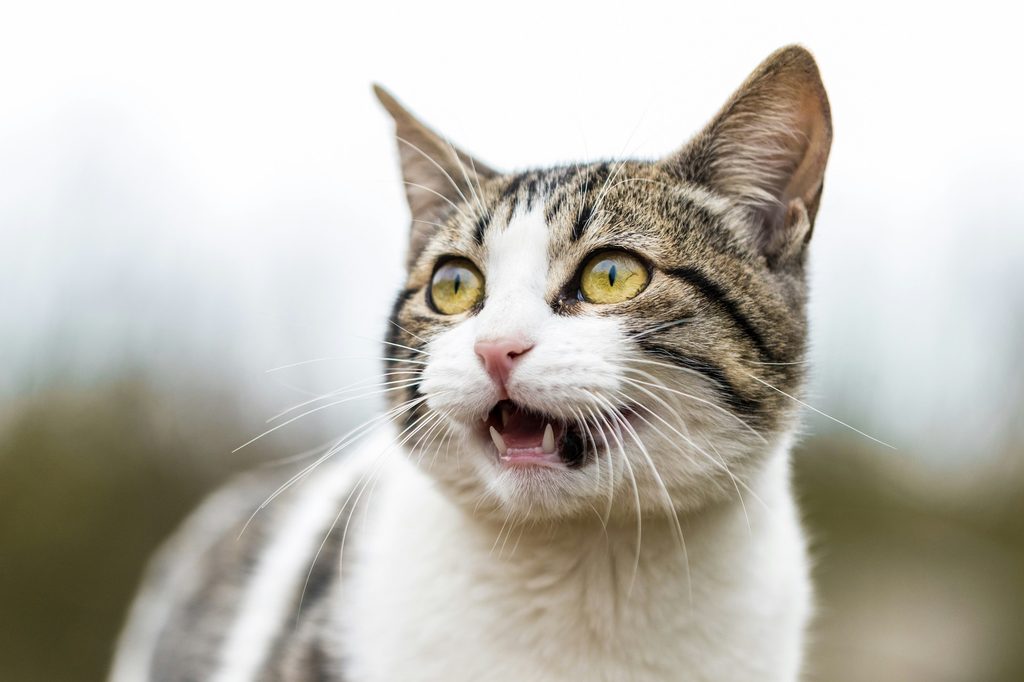
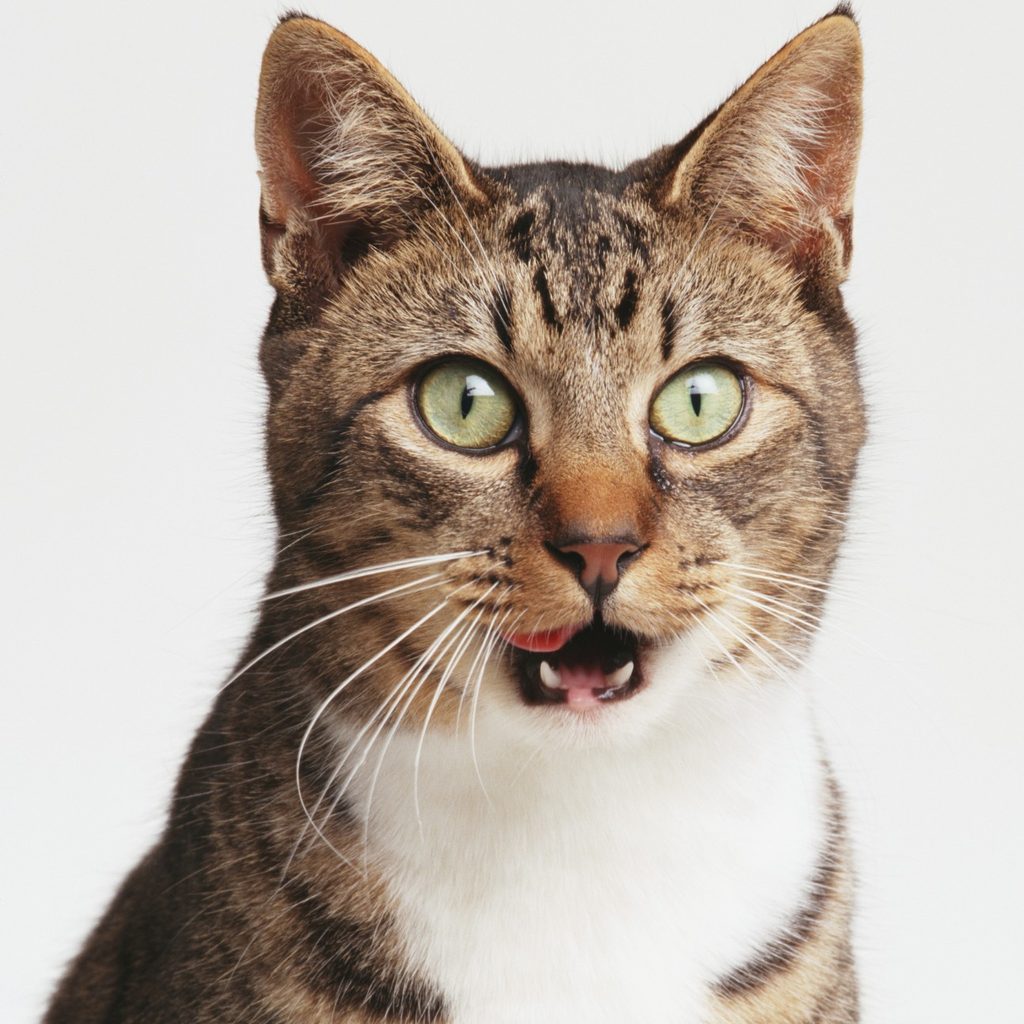
How can you tell which is which? You’ll want to listen carefully to the kind of sound your feline is making to determine what’s a chirp and what’s a chatter. Usually, cat chirps are singular, high-pitched, staccato sounds, like a bird chirp. On the other hand, chattering is longer and can sound like talking, whispering, or even a series of clicks.
Dr. Simpson describes chattering as “rhythmic stuttering of the jaw with the mouth opened in a tense position.” This reaction does not stimulate the vocal cords, causing the clicking or whispered sounds. Cats may do this out of reflex, or it may be triggered by a spike in adrenaline, but the theory is that the chattering motion of the mouth mimics the way a cat kills their prey — by biting down on their neck.
Should I be concerned about cat chattering?
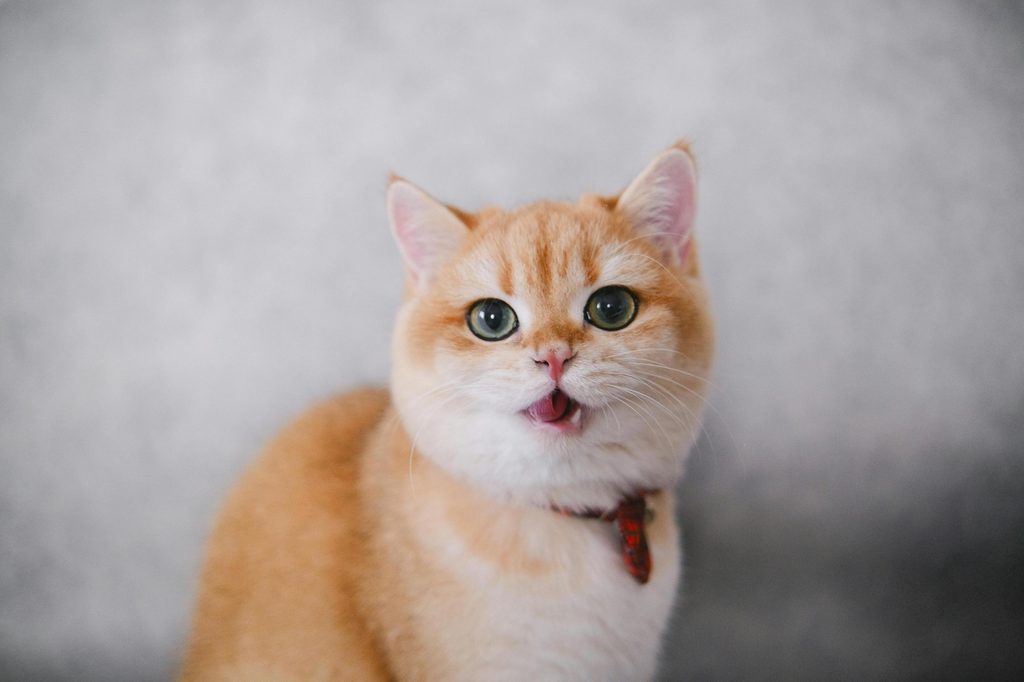
Because chattering (and even chirping) is an instinctual hunting behavior, it’s perfectly natural. In fact, chattering is a healthy way for cats to react to excitable moments and encounters with prey! However, it’s perfectly understandable if you don’t love what comes after the chattering: the hunt. Kitties are infamous for leaving “gifts” around for their owners to find, but if your cat hunts more often than you’re comfortable with, you may need to supervise their time outside.
Sometimes, though, your kitty may chirp and chatter while looking out the window. Odds are, they see a squirrel, a bird, or even an insect they’d like to get their paws on. Although they may be frustrated about being so close yet so far away from their prey, the mental stimulation of looking out the window far outweighs any resulting noise. It’s a good thing for them to do.
However, there are some rare cases when a cat’s frustration with their lack of hunting can lead to redirected aggression. When this occurs, a kitty may become less friendly toward other people and/or pets, and they may hyper-focus on getting outside. In this case, something as simple as closing the curtain can make a life-changing difference.
The only time feline chattering should be a concern is if it begins happening much more often than normal and without any visual triggers around. This could be an indicator of dental concern and is worth taking a trip to the vet.
For the most part, however, cat chattering is nothing to worry about. They’re not likely gossiping about you like you’ve always secretly wondered, and it’s rarely the indicator of a major problem. So, the next time your head turns at that familiar “ekekek” sound, you’ll know exactly what it is.