
  1. Home
  2. Dogs
  3. Getting Started
  4. Evergreens

Looking for a fluffy and affectionate pup? Give the American Eskimo dog a try

Considering a spitz? Take a look at the American Eskimo dog

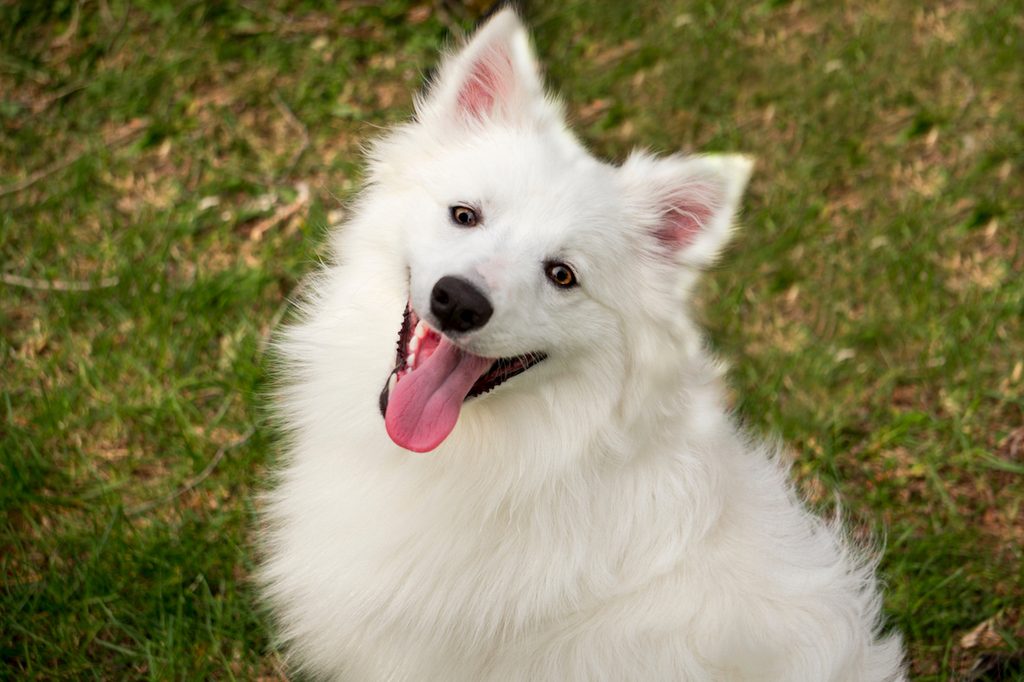
American Eskimo Dog smiling at the camera
KA_Richer5171321 / Shutterstock

At first glance, you might confuse an American Eskimo dog with a shih tzu or even a Pomeranian. Or you might mix them up with the Canadian Eskimo dog, a 4,000-year-old animal that’s native to America and was bred by the Inuit to pull sleds. But the American Eskimo dog (or Eskie) is a totally separate breed that’s both beautiful and family-friendly. While no dog is right for everyone, you should consider this beastie if you want a unique and lovable pup. They might be exactly what your home needs to become complete.

Where does the American Eskimo dog come from?

Don’t be fooled by the name, this pup came about in the 1800s and was bred by German immigrants as a farm dog. That means it’s one of many spitz dogs, which also includes the malamute, Icelandic sheepdog, and Samoyed. The name was changed because of anti-German sentiments around World War I. Interestingly, this was a very popular show dog, and many performed in the circus and on stage! If you do wind up adopting an Eskie, you could get a regular old diva.

Recommended Videos

What is this breed like?

These fluffy friends can stay as small as 6 pounds in the toy size or up to 35 pounds, which can be standard, but they all have huge personalities regardless of stature. Because the American Eskimo dog was a working breed, they need a lot more exercise than you’d think just by looking. But they’re highly trainable, loving toward people, and very energetic, so you should have no problem taking them on walks and to outdoor gatherings. If your routine already includes hikes or even strolls, the American Eskimo dog might be your perfect companion.
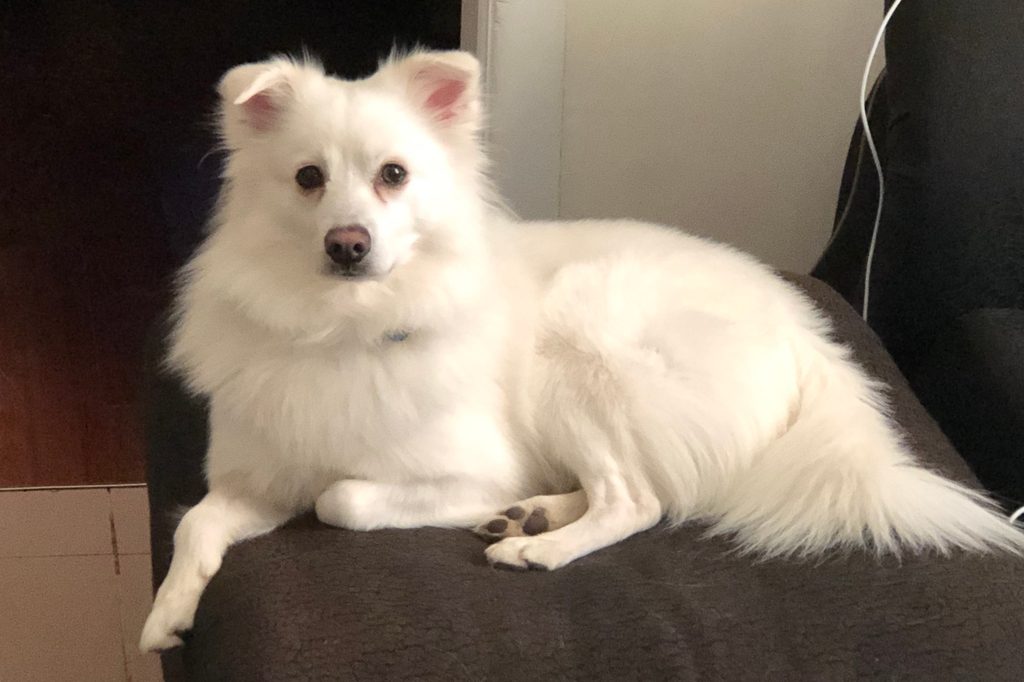
A white American Eskimo dog sitting on a dark couch

Who should get an Eskie?

This is a family dog through and through. Eskies require a lot of interaction and love — they sometimes misbehave if not given enough attention, which could include chewing up your favorite furniture or barking incessantly at seemingly nothing. That means you want to think carefully before committing to them, as you would with any pup.

The flip side is that the smaller ones do great in apartments because they can handle crowds and confined spaces, provided they get enough walks and attention. Even though this little bud might look a bit like a husky, they don’t have the same behaviors and so the Eskie isn’t considered a more advanced dog. But this breed does become territorial at times, which you need to watch out for. Some amount of guarding is fine (after all, you don’t want randos showing up at your house), but you need to stay mindful of their anxiety level around strangers.
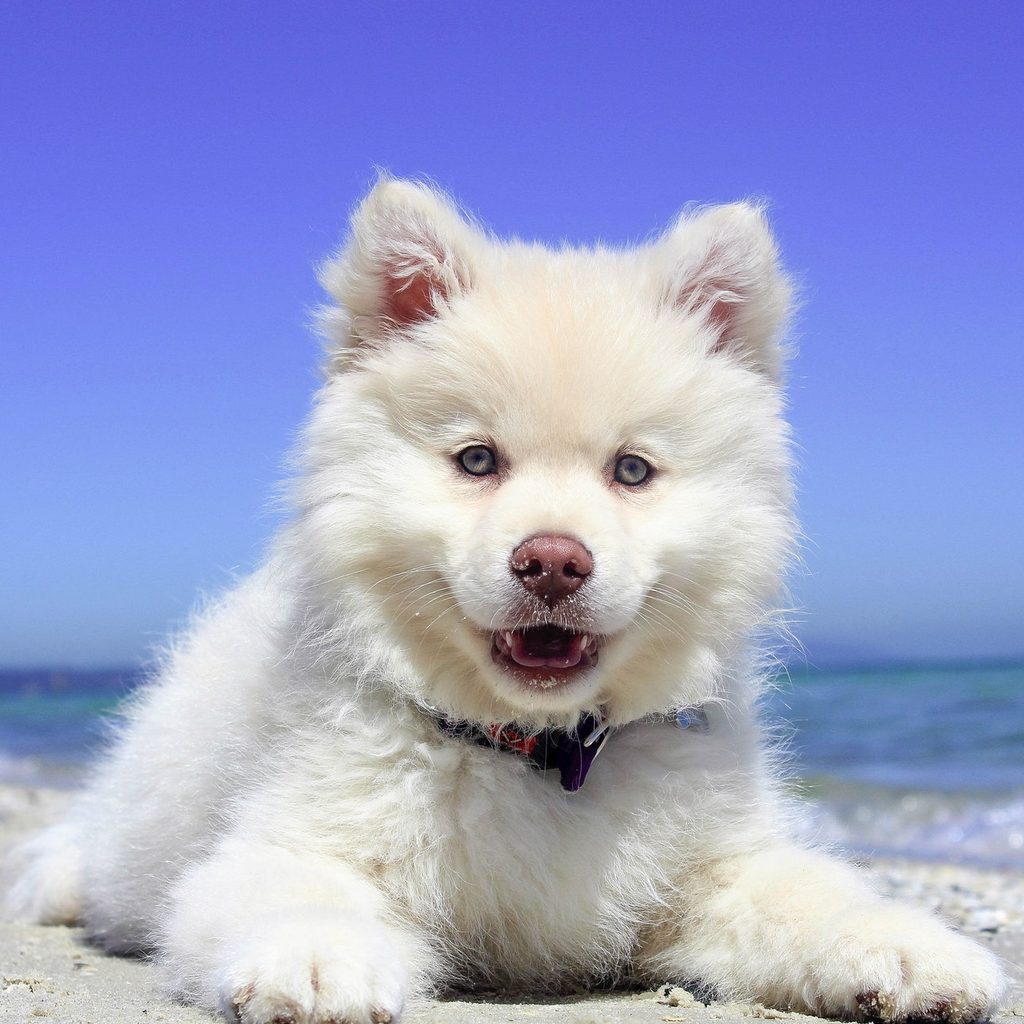
American Eskimo puppy lying on the beach.
Pixabay / Pexels

It can become difficult to keep track of all the dog breeds and we don’t blame you if you frequently mix up the chow chow, Eskie, Pomeranian, and husky. One more thing to know is that they won’t do well with small pets in the home, because they still have deeply rooted herding and hunting instincts. In general, they gravitate a bit more toward big dogs rather than their smaller companions. If you have rabbits or lizards in the house, make sure they live totally separately — in different rooms.


Rebekkah Adams
Former Contributor
Rebekkah’s been a writer and editor for more than 10 years, both in print and digital. In addition to writing about pets…
10 long-haired dog breeds that make gorgeous companions for any home
Get your clippers ready: These long-haired dog breeds are ready to be your best friends
Bearded collie posing after dog show

If you love pets, you've probably discovered some of the outrageous dog hairdos on social media. While scrolling, you might spot elaborate braids or brightly colored fur. It's definitely tempting to immediately start looking up these breeds, trying to figure out which pup pup has the most hair possible. If you're hoping for long-haired dog breeds, you've come to the right place. We'll walk you through 10 of the top breeds with long, beautiful locks that you can choose as your furry friend.
Afghan hound

Once you get to know the Afghan hound, there's no mistaking this striking breed. As the name suggests, these buddies were bred to live in the mountains of Afghanistan — hence the need for a lot of hair. Their coats may have been designed to keep them warm, but you'll have your work cut out for you when it comes to keeping it clean and brushed. Don't let that deter you, though! Afghan hounds are sweet and don't bark much.
Bearded collie

Read more
Why do cats live longer than dogs? What science says
Exploring factors that affect an animal's lifespan
Dachshund puppy next to Calico cat

If pet owners had one wish, it would be for their fur babies to live forever. I know that would be my wish! My dogs are my whole world, but I know there will come a day when it's time to say goodbye. Knowing an animal's general life expectancy can help pet parents learn what to expect as their animals age, but many folks are surprised to find that some pets live longer than others. Specifically, it's often said that cats live longer than dogs.
Do cats live longer than dogs? If so, why do cats live longer than dogs? There are many factors to consider, so let's dive right in so we can turn questions into answers.

Do cats live longer than dogs?

Read more
Why dogs lick their paws: When to worry about excessive licking
First, find out why they do this and then go from there
Dog licks his paw and the floor while lying down

Some dogs just love to lick, whether that’s our faces, another dog, the floor, the couch, or themselves. And most of the time, the licking is normal behavior. But what if you notice your dog is excessively licking their paws? Is this a cause for concern or just a normal grooming routine?

According to experts at the American Kennel Club (AKC), occasional paw licking can be perfectly normal for dogs, especially after returning from a walk in the rain or mud. However, if your dog is constantly and frantically licking their paws, there may be cause for concern. So if you're wondering why dogs lick their paws, we'll walk you through all the standard reasons behind this quirk.
Why dogs lick their paws

Read more