Whether you’re a veteran dog owner or are new to the canine world, it can be immensely helpful to do your research before adopting the dog of your dreams. After all, step one is to figure out what your ideal four-legged friend might be like.
Will they cuddle up with you at the end of the day, or will they sleep in a dog bed all their own? Would you like a high-energy friend or a canine buddy that can binge-watch your favorite Netflix show at all hours of the day with you? Perhaps even more importantly, what size dog can you handle in your home?
Medium-sized dogs are a perfect fit for those who may want the activity of a larger dog without the massive size. Many families prefer mid-sized canines because they’re large enough to play with children without getting hurt, but they’re not too large to spook or knock over a child (most of the time, anyway). There can be many reasons why a medium-sized dog breed is your perfect fit, but how do you know what breed to look into? Let us help you decide.
Medium-sized dogs for families with children
It can be a magical experience for a child to grow up with a furry friend by their side, but the truth is that not all dogs get along well with kids. Some dogs are just naturally more tolerant of hair pulling, poking, and all the touchy-feely fun of having kids around. This has a lot to do with a dog’s breed, but it can have just as much to do with the way a dog is raised and the way children are taught to interact with pets.
Basset hound
These long-eared hound dogs are known for their superior sense of smell, but that’s not all that makes this breed an excellent family dog. Bassets have sweet and silly personalities that help them get along well with kids. They are easygoing and smart and can even be protective of their loved ones. Kids should be taught the proper way to pick up a long dog (supporting their behind and beneath their chest) to avoid any injuries during playtime.
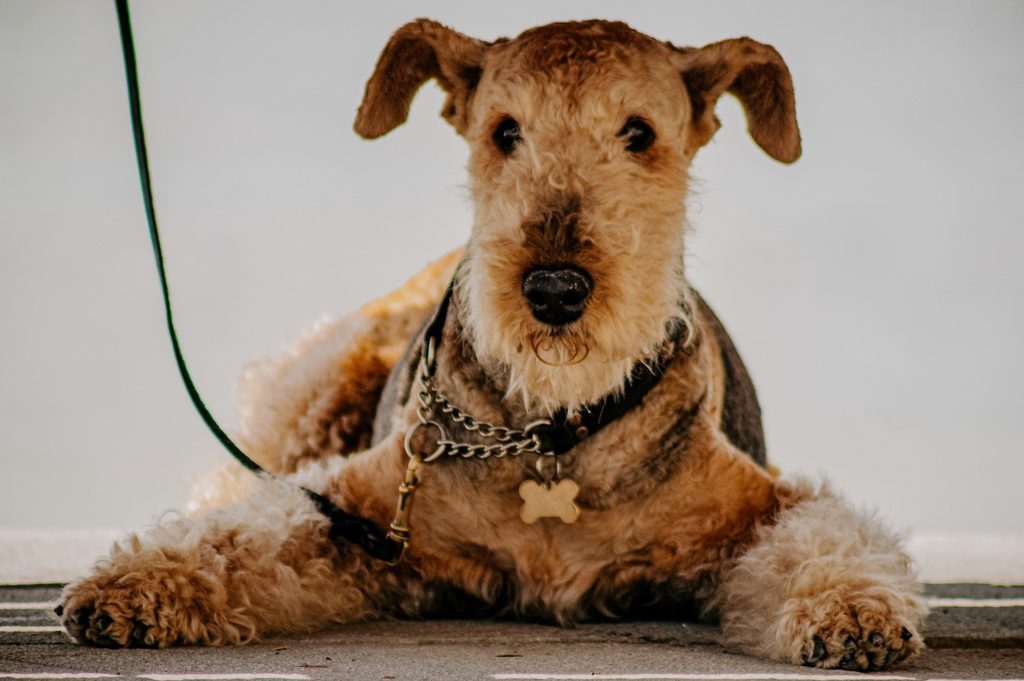
Airedale terrier
These dogs still have the tenacity and independence of a terrier breed but tend to be more friendly to kids and other animals. They may be a better fit for older kids who can learn to tell when a dog is ready to stop playing, but when boundaries are respected, they can make silly, even rambunctious playmates.
Labrador retriever
The Labrador retriever has been at the top of the list of America’s most popular dog breeds for as long as records have been kept — and it’s for a good reason. These dogs are friendly and easygoing with just about everyone they meet and are one of the most adaptable dog breeds out there. Whether they live with one person, a family with kids, or even a pack of dogs, Labs will find a way to have a good time.
Golden retriever
This Retriever breed is equally beloved as the Lab, but can be a more people-focused breed than their food-motivated cousins. They may be more easily trainable, more likely to think before acting, and just as likely to be affectionate with loved ones. In fact, golden retrievers can be a bit clingy, but many owners actually enjoy this close companionship.
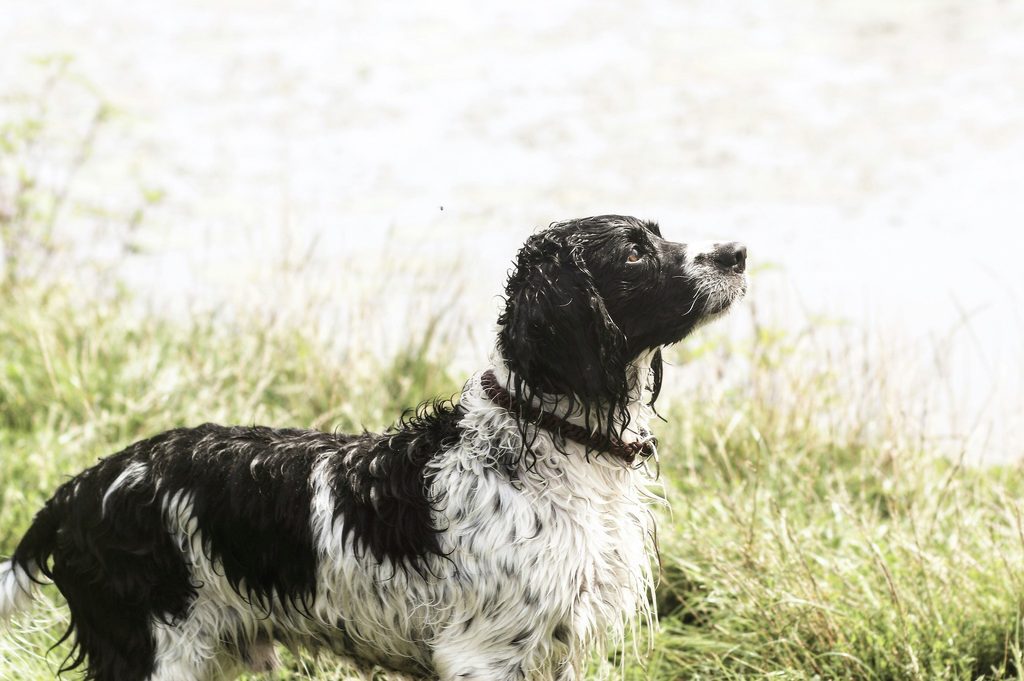
English springer spaniel
English springer spaniels can be excellent happy-go-lucky pals for families with kids, but be warned; they can be on the rambunctious side, too. They may accidentally knock over smaller children when excited, but their playful and patient personality makes them a hit with slightly older kids. Their favorite thing to do is cuddle, too.
Poodles
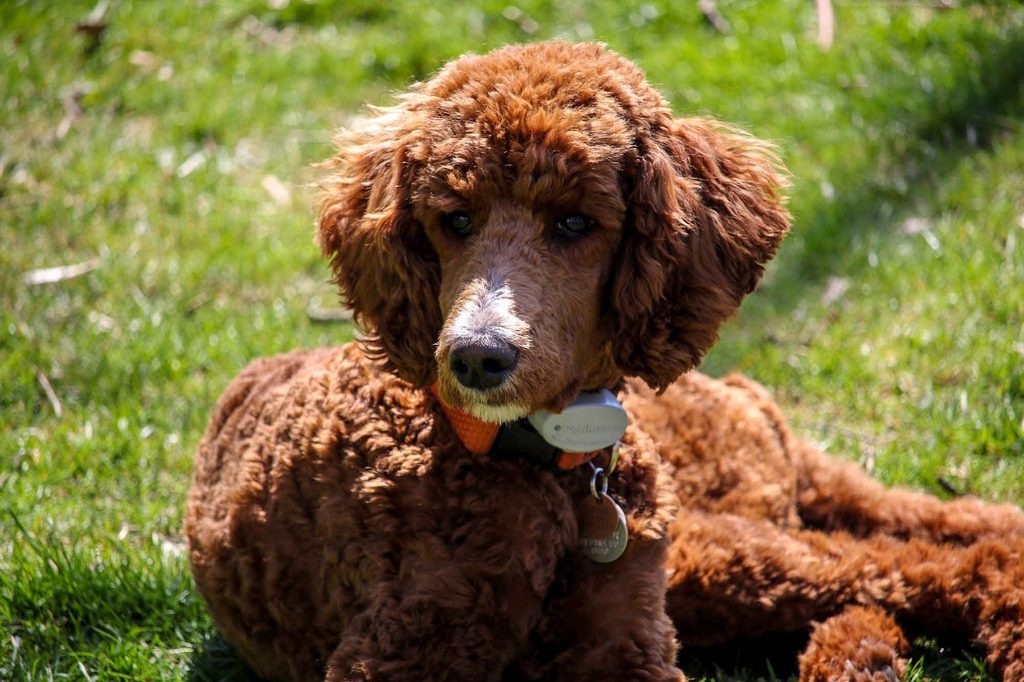
If you’re looking for a hypoallergenic canine BFF, the most common choice is a poodle or poodle mix. It’s easy to see why! These dogs are regal, gentle, and incredibly smart, but they can also be very active. Standard poodles are especially likely to excel at an activity like running or agility, but their history as waterfowl hunters makes them excellent swimmers, as well.
One thing to keep in mind: When dealing with any hypoallergenic dog breed, you’ll also be dealing with regular grooming. This is something you’ll have to keep up with at home between professional grooming sessions, so be prepared for that commitment.
American Eskimo dog
American Eskimo dogs, or “Eskies,” were bred to be performing circus dogs, so playing with kids is quite literally what they do best. They are lighthearted and silly playmates for any owner and dog, really, and their love for family will ensure they don’t miss out on a single moment together. It doesn’t get much friendlier than an Eskie!
Rescue dogs
Although many purebred dogs are going to be excellent children, so will plenty of mutts and rescue dogs. But not all of them. This is why it’s important to talk to your local shelter and even set up a meet-and-greet before taking home a new dog. It can take time before a rescue dog feels secure enough to truly bond with a child, but if that kiddo can be patient and supportive during the transitional phase, they just may have a best friend on their hands.
Medium-sized dogs can be some of the best family dogs for kids of any age, and these are just a few of the neither large nor small breeds you can choose from. Take your time when doing your research and visiting dog rescues — you’ll be bringing home a brand-new best friend before you know it!