At first glance, trail mix might look like a healthy snack for everyone in your home. It has a little sugar, some healthy fats, and a small number of carbohydrates to keep you going throughout the day. Sounds great, right?
Although people can eat as much trail mix as they please, the same isn’t true for our canine friends. There are many ingredients in this popular combo that aren’t safe for dogs to eat. Let’s go over a few of the reasons why as we answer some of the most common questions:
- Can dogs eat raisins?
- Why can’t dogs eat trail mix?
- Which nuts are safe for dogs to eat?
Without further ado, let’s get started!
Can dogs eat raisins?

If you’re one of the pet parents who wonder, “Are raisins bad for dogs?” you’re not alone! Dried fruits aren’t as common in the canine diet, and there’s no better time to learn than the present. Here’s the deal: Because raisins are dried grapes, they are not safe for dogs to eat.
According to VCA Animal Hospitals, veterinarians are still in debate about why grapes, raisins, and currants are toxic for dogs. Oddly enough, though, grape jams, jellies, and juices don’t seem to cause the same kind of symptoms. These symptoms include vomiting, lethargy, and diarrhea shortly after ingestion. Excessive thirst and urination are the beginning signs of kidney damage, which VCA says can occur up to a day or two after a dog has eaten grapes.
Why can’t dogs eat trail mix? Chocolate — that’s why
Chocolate is a major no-no for dogs, so it should come as no surprise that this makes many trail mixes dangerous for dogs to eat. The chemical that causes symptoms in dogs is called theobromine, and it’s also found in caffeine (via VCA Animal Hospitals). The most common symptoms it causes include:
- Vomiting
- Diarrhea
- Increased thirst
- Panting and restlessness
- Increased urination
- High heart rate
Of course, not all trail mix combinations contain chocolate, but even the ones that don’t aren’t necessarily good to give to your dog.
Other hidden risks of trail mix
Even if a trail mix pack is free of raisins and chocolate, you shouldn’t let them share it with you. Many trail mix recipes call for nuts and seeds, not all of which are beneficial for canine consumption. Keep on reading to learn more about which nuts are safe for dogs to eat, but first, let’s consider other reasons why trail mix isn’t meant for dogs.
Many trail mixes are incredibly salty, which isn’t the most healthy choice for humans, either. Dogs can be more sensitive to higher salt intake, and sodium overdoses, although rare, can even be fatal. Many nuts and sweets, which are also found in trail mix, can be higher in calories and fat, which can lead to chronic conditions like diabetes or acute illnesses like pancreatitis.
Even if your dog appears to be healthy after consuming trail mix, contacting your veterinarian is always the safest bet. They can advise you on the best next steps so that your pup can recover as quickly as possible.
Which nuts are safe for dogs to eat?
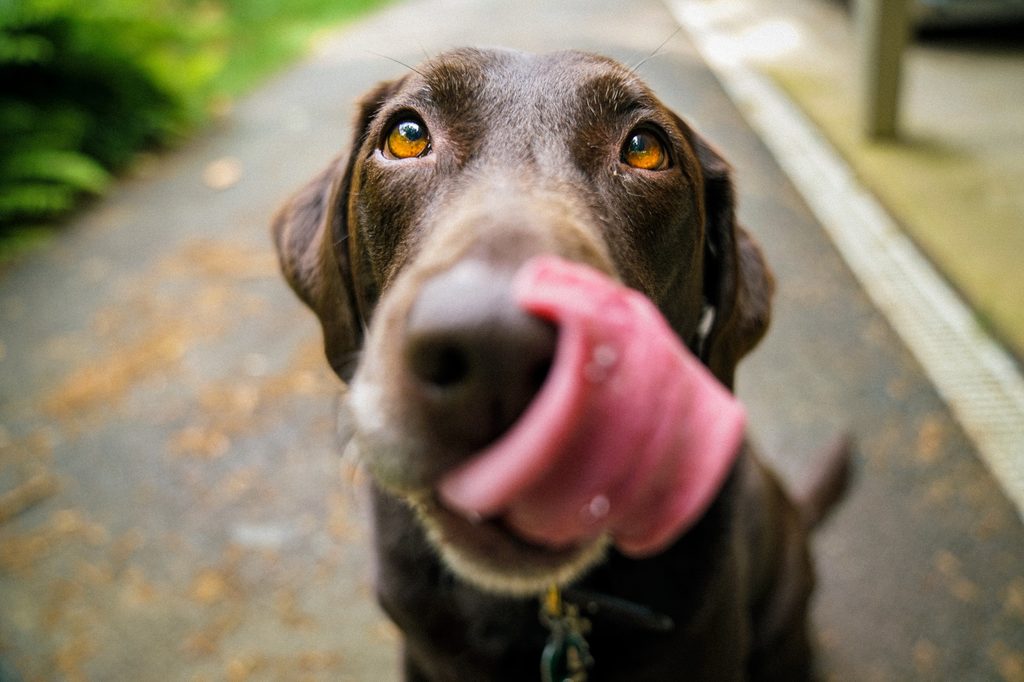
Nearly every commercial trail mix you can find contains a variety of nuts. These provide healthy fats and protein when eaten in moderation, but even with these, you should only feed them cautiously to your pup. In fact, Preventative Vet explains that only a few types of nuts are safe for dogs. These include:
- Plain peanuts, no shell
- Plain hazelnuts
- Plain, roasted cashews, no shell (do not feed dogs raw cashews!)
- Pine nuts (a small amount due to the high-fat content)
Even though these nuts are technically safe for your dog, they do come with risks. Not only can nuts and shells cause irritation or blockage to the intestinal lining, but their high-fat content can lead to canine stomach upset or pancreatitis.
You’ll also want to be on the lookout for hidden dangers like xylitol — an artificial sweetener that’s toxic to canines. Even large amounts of salt can be dangerous for a pet, so it’s best to opt for an alternative snack altogether. When in doubt, make your pup’s very own trail mix! Any combination of canine-safe ingredients could be a great mix for an occasional treat, so it’s time to get creative.