  1. Home
  2. Dogs
  3. Evergreens

Can dogs eat strawberries? Everything you need to know

Yes, you can feed strawberries to Fido. Here's how

Add as a preferred source on Google
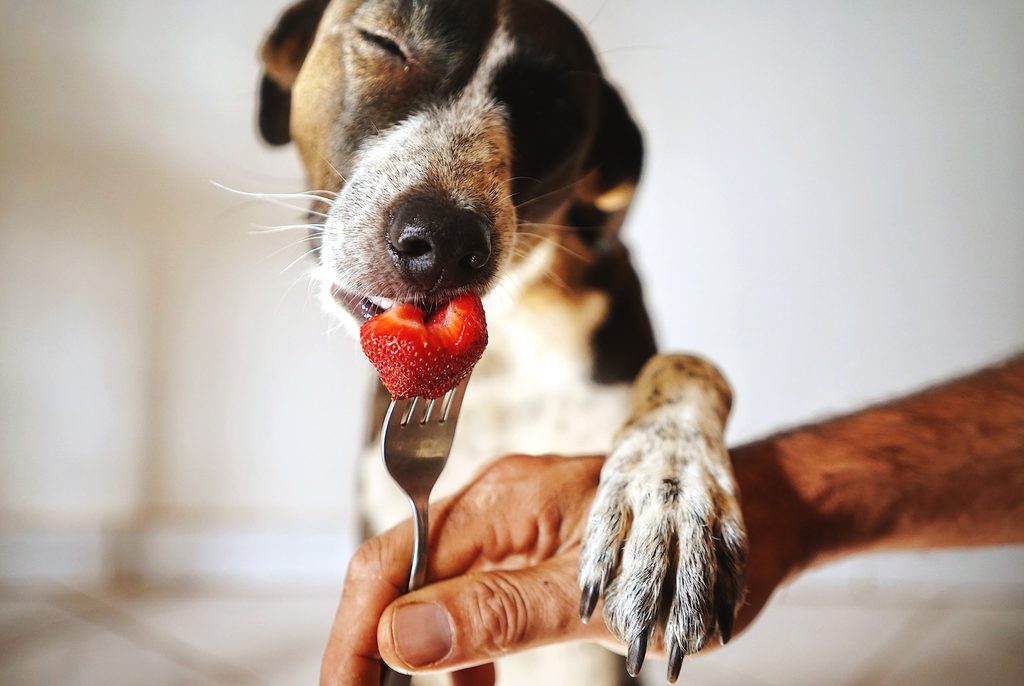
A brown and white dog eats a strawberry off a fork
Ewien van Bergeijk - Kwant / Unsplash

Sharing food with our dogs is one of the most fun parts of pet ownership. But animals can’t always eat the same stuff as humans (and we certainly don’t want to chew on their chow, either). It’s important to keep a restriction list in mind when you go to get your buddy a snack from the kitchen. Pups shouldn’t eat everything in our pantry, but can dogs eat strawberries? The answer is: Yes, they can and will enjoy them. We’ll walk you through how to feed strawberries to dogs and what other fruits they can gnaw on.

Are strawberries toxic for dogs?

No, not at all, and in fact, many dogs love strawberries. Like so many other fruits, strawberries have a lot of nutrients and tons of water, making them a good and reasonably low-calorie snack. However, the drawback is that they’re very sweet. That’s probably half the reason that Fido likes them!
Recommended Videos
Because of their high sugar content, though, you should limit how many strawberries — or any berries — you give your pooch per day. The exact number you give depends on the size of your pup pup, with the littlest breeds only needing one per day. A large beastie can have as many as four, and you should scale up or down for all sizes in between.

How should I prepare strawberries for my dog?

Before passing this treat to your animal, make sure to remove the green bits, though a tiny bit of leftover leaf won’t hurt. The biggest issue with this fruit is the size — strawberries are a choking hazard. If you have a little guy that takes big bites, you’ll want to chop these up small first before doling them out. Lastly, remember that we’re talking about fresh strawberries, not canned or jammed or anything like that.

What fruits are not good for dogs?

You should certainly make your buddy avoid all the fruits you don’t eat either like red berries he might find growing in the wild. However, the biggest fruits your dog can never eat are grapes and raisins. Science hasn’t quite figured out why, but these delectables don’t do well for our hounds, and even just one grape can turn deadly. Lastly, stay away from the following just to be safe: green tomatoes, cherries, limes, lemons, and avocado (technically a fruit and bad for dogs in large quantities).
Every dog wants what is on their human’s plate, no matter it is. While some foods have to stay on the no list, such as garlic, chocolate, and spices, plenty of fruits and vegetables make a great addition to your pup’s diet. When it comes to strawberries, a little goes a long way. Because they’re sweet, you should feed in moderation, but your buddy will love them even in small quantities.

Rebekkah Adams
Former Contributor
Rebekkah’s been a writer and editor for more than 10 years, both in print and digital. In addition to writing about pets…
These 7 guard dog breeds will protect you fiercely
Dog breeds that are some of the best personal guards you'll find
An Akita sitting on the bed

Most dogs are loyal and loving animals. That’s why we know them as humans’ best friends. They’d do anything for us. For some dogs, “anything” means protecting us with their lives, and these breeds make the best guard dogs. Many dogs have a natural defensiveness — it’s instinctual. They’ve evolved to protect the family they love. You’ll notice these pups keeping a watchful eye on your property. They may bark to alert you when your friend arrives or the mail gets delivered.
Remember, guard animals mean well. They aren’t trying to be vicious, but instead, they want to keep you and your home safe and sound. Some prospective pet parents want this quality in a dog. If that’s you, consider these breeds that make the best guard dogs.

What is the most protective breed of dog?

Read more
How often do dogs really need vaccines?
What is the dog vaccine schedule? The answer can vary
A dog getting vaccine vet holding syringe

As a pet parent, you want what's best for your dog. Ensuring your pet stays up to date on vaccinations is essential. With human health, the recommendations are usually more straightforward — professionals recommend that people in certain age groups or with specific conditions receive vaccines at certain times. Some, like the flu shot, require regular boosters. Others provide long-term — and even lifelong — immunity.

What about pets, though? How often do dogs need vaccines? The answers aren't always so straightforward, so working with your veterinarian to determine the best course for your dog is vital. This guide to dog vaccinations will provide a blueprint and hopefully spark a helpful conversation about your pet's health with their veterinarian.
How often do dogs need vaccines?

Read more
Why do dogs love tennis balls? What’s behind the obsession
Playing fetch with tennis balls is iconic for good reason
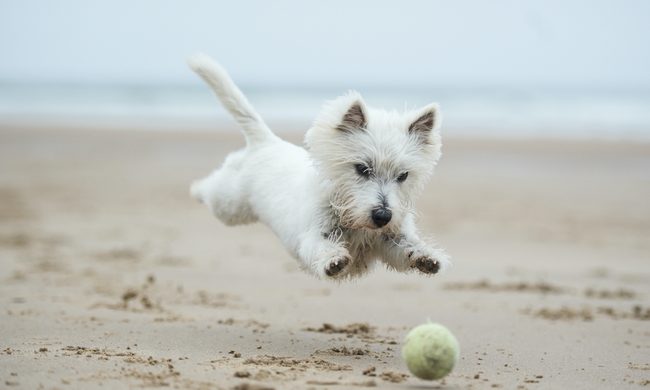
A West Highland white terrier runs and jumps after a tennis ball on the beach

What's a dog's favorite activity? Playing with tennis balls might top the list, or at least come close. The second you grab one of these orbs, you should expect Fido to jump with excitement about the impending game. Even small dogs may go after a tennis ball if you show them how it's done.

So why do dogs love tennis balls? You can explain this partly through evolution, but with a bit of human intervention thrown in. Playing with your dog helps get them exercise and serves as a form of mental stimulation, so we highly encourage you to throw a catch (or chase) now and then. When you discover the evolution behind this game, it can also make it more fun for you, the human.
Why do dogs love tennis balls?

Read more