So, you’ve decided to adopt a Pit Bull puppy. Congratulations! You’re in for a lot of love and companionship, but you need to remember that you’re also in for quite a lot of work! It’s important to know that planning and caring for your Pit Bull puppy starts long before you bring them home. To start your relationship off on the right paw, some research and preparation are in order.
Pit Bulls technically aren’t one breed but a class of dogs made up of several breeds, some of which are recognized by the American Kennel Club (and some that are not). Pit Bull breeds include:
- the American Bully
- the American Pit Bull Terrier
- the American Staffordshire Terrier
- the Staffordshire Bull Terrier
- and the English Bull Terrier.
Despite being classified as a few different breeds, the majority of Pitties will share similar demeanor and physical features. That’s why they’re grouped together! Let’s dive into the critical components of raising a healthy, happy, and well-behaved Pit Bull puppy.
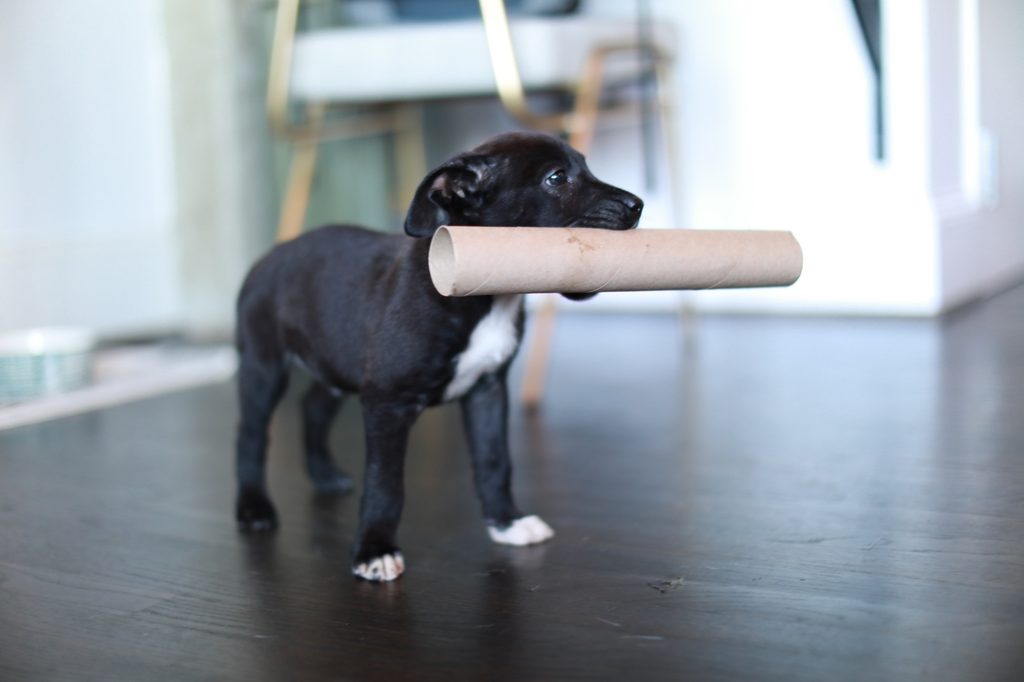
Preparing for your Pit Bull puppy to come home
If you’ve ever experienced the joys of new parenthood, you understand just how much work and preparation it takes to welcome home a newborn. It shouldn’t be a surprise that the process is similar for new puppies! You’ll need to do a lot of research, list-making, shopping, and set-up before you pick up your pup, so don’t wait until the day before they come home.
A little bit of research can go a long way when it comes to puppy planning. You’ll want to familiarize yourself with the different stages of a puppy’s growth, so you can know what milestones to expect as they get bigger, and you’ll be able to know if something is amiss. This is also the perfect time to look into pet insurance options, veterinarians, and even dog groomers in your area.
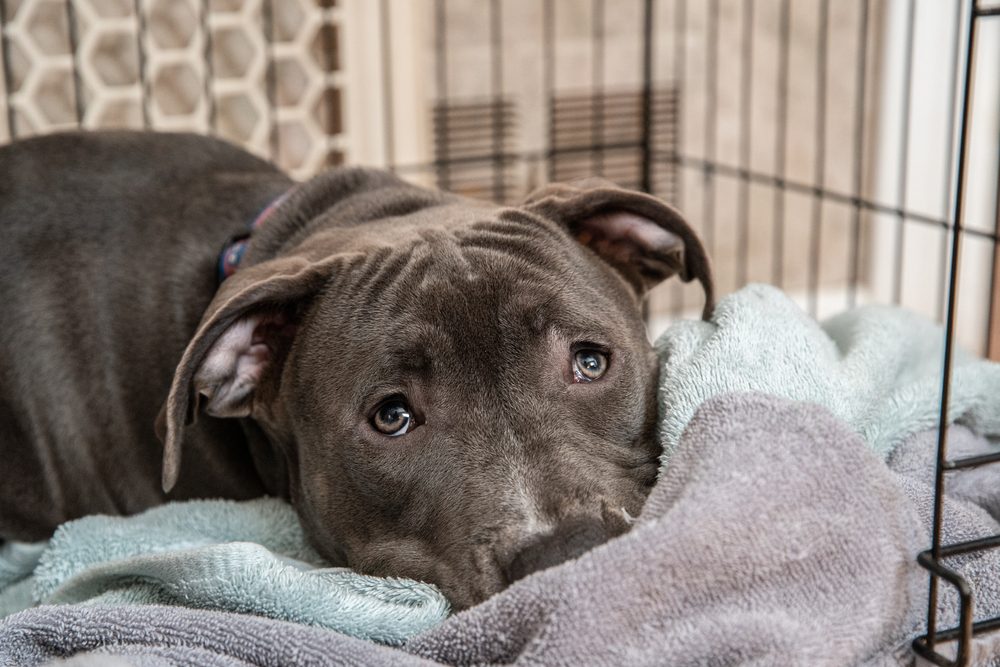
If you love to shop, you’ll be glad to know that it’s your time to shine. You’ll need lots of new pet accessories to help your puppy feel at home, including a dog bed, food and water bowls, a collar, a leash, and even a crate for your puppy.
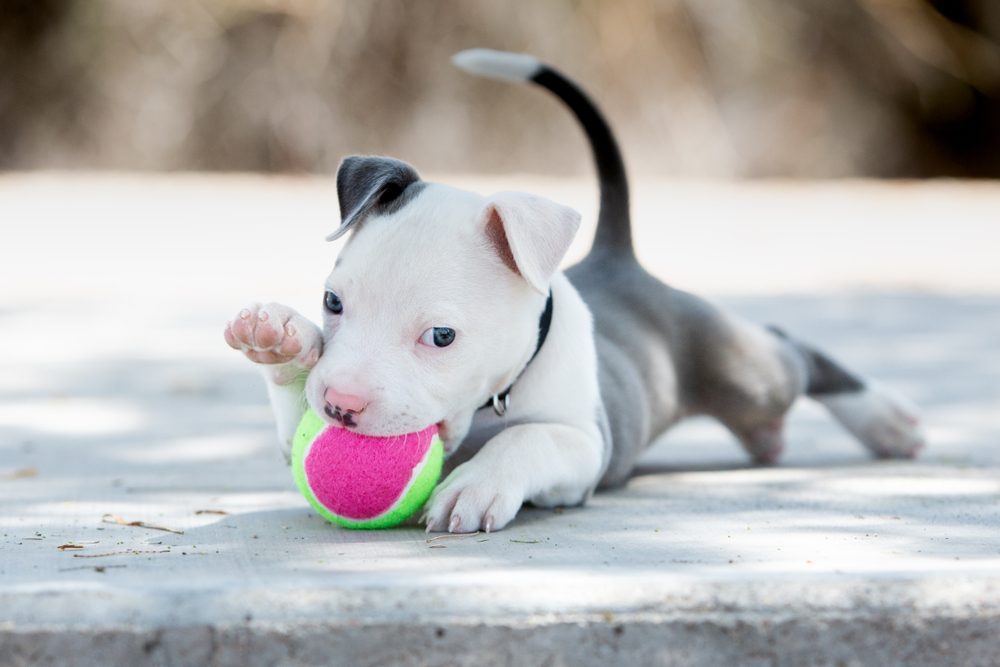
How to take care of a Pit Bull puppy
Of course, we want our puppies happy and healthy, and this starts with vet visits, diet, and exercise. Let’s address each of these in more detail.
Nutrition is essential for a healthy puppy
As large-breed dogs, Pit Bulls will need a suitable diet. Growth rates and maturity ages differ by breed size and call for various nutrients and nutrient levels. Large-breed dogs grow rapidly and need extra help with their nutrition to ensure strong bones and joints, so it’s essential to find a diet that gives them all the nutrients they need. Spend a few minutes researching online and speaking with your vet to find a dog food that fits your budget and your pup’s needs.
Exercise will keep your Pit Bull puppy stimulated and strong
Like a child, your puppy will need lots of exercise. Pit Bull puppies are energetic and will land themselves in trouble if not exercised regularly. Pent-up pups will find a way to relieve this energy, whether that’s chewing up your couch or scratching at a rug. It’s best to relax them naturally with a short walk or play session while they’re young and extend the time as they get bigger.
Walks are also a perfect opportunity to expose them to new things and people… when they are fully vaccinated, that is!
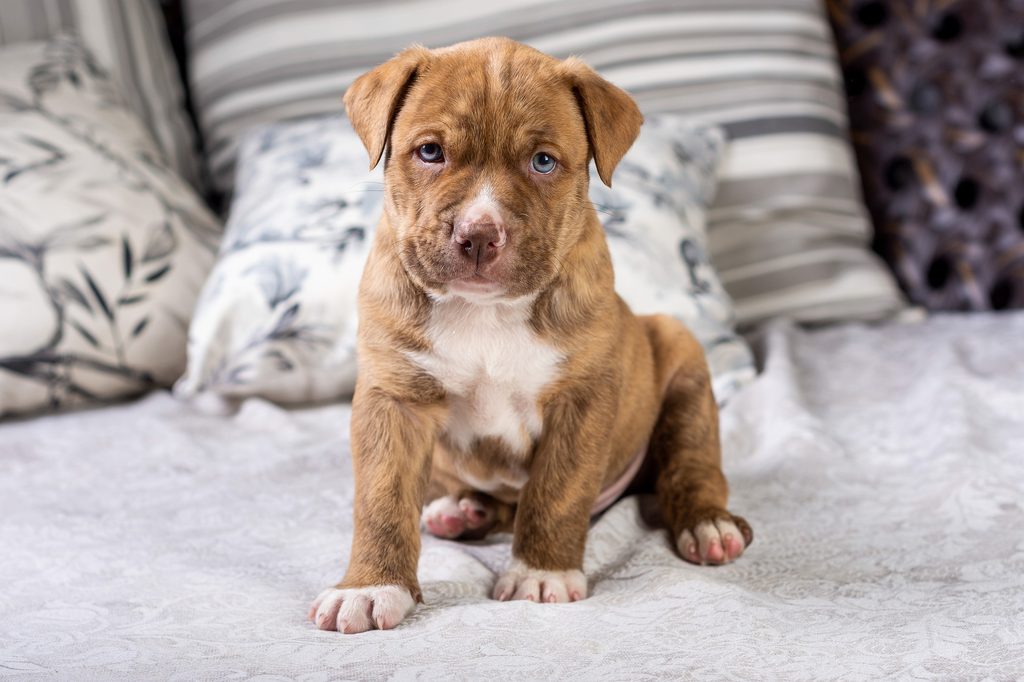
Training your Pit Bull puppy
Most of the unhappy or dangerous dogs in the world are untrained. And it has nothing to do with their breed! When a dog goes without training, they can be out of control, fearful, and dangerous, but these methods for disciplining your dog will ensure he or she becomes a good citizen.
Socializing is essential to raising a friendly dog
One of the most critical parts of raising a friendly Pit Bull puppy care is socializing. Accustoming them to new animals and humans, along with places, sounds, and scents, is the best way to ensure your Pit Bull is well-rounded. When dogs begin showing signs of aggression or fear, it is often because they were not exposed to a wide range of people, other dogs, and situations as a puppy. Remember–aggression is often just misplaced fear!
Basic commands are the perfect place to start when training any puppy
Understand that training your puppy is not a form of punishment. Training should be a fun bonding experience between you two. Also, simple commands could save your dog’s life. A recall command such as “stay!” or “come!” will ensure your puppy listens to you instead of running across a dangerous street.
Train your pup to follow these basic commands:
- Sit
- Stay
- Come
- Down
- Leave it/No
All these commands can be used in everyday situations to keep your dog under control. A dog who will sit and stay when told doesn’t have to be locked in the bedroom when exciting guests visit. Instead, the dog can enjoy the company just as much as you do.
Ultimately, training allows your pup to enjoy a fulfilling life alongside you. However, it can be a huge commitment. Lots of time and energy are required to do the job well. If you have a busy schedule or an exhausting job that won’t allow you to train correctly, consider hiring a professional dog trainer or reconsider whether a puppy is right for your lifestyle.
Mouthing is a common concern with Pit Bull puppies
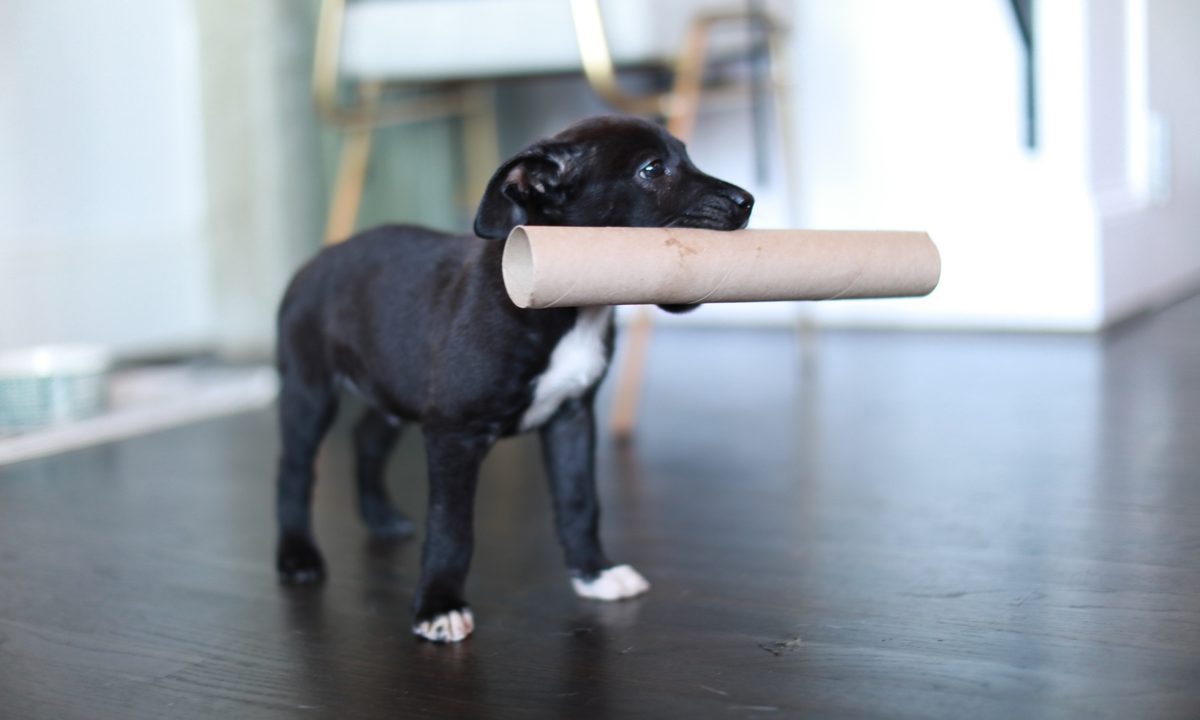
Like many dogs, Pit Bull puppies are mouthy. Mouthing means they love to explore the world with their mouth, including licking, biting, and chewing. Although it is harmless and sometimes cute in a puppy, it is important to nip this habit in the bud. When they grow up and continue mouthing people, your pup could get into trouble or hurt someone.
Discourage this mouthing behavior by ending play when they begin to bite. You can also offer them a toy as a way of saying, “Bite this, not me,” and discontinue playing with them. Alternatively, making a loud yipping sound like “Ow!” can let your puppy know that biting people is not OK to do. Yes–make this sound even when bites don’t hurt!
Food aggression is a regular cause of aggression later in life
One of the most common reasons a dog becomes aggressive is food. Food aggression can be dangerous for all family members, especially small children, who get into everything. To avoid this aggression, interrupt your puppy’s eating by sticking your hand in their bowl, picking up the bowl, grabbing food from the bowl, and any other ways you can get your puppy used to the idea of sharing their food. This will prevent food aggression or accidental biting because someone got too close at mealtime. Make sure that your puppy gets all of their food when practicing this to help them understand that someone being near their food doesn’t mean they will take it.
Pit Bull puppies are some of the cutest balls of fur out there. Secure your puppy a happy, healthy life with these training and healthy practices. Remember that puppy care begins with research before you even bring them home. Pit Bulls are high-energy dogs that need plenty of love and attention. If this doesn’t seem like the right fit, you might want to consider a different breed to ensure you’re providing the best possible home for whatever pet you choose to bring into your family.