All pet parents worry about their fur baby’s well-being — that’s normal! Knowing your pup is safe and content is a gift that keeps on giving, but finding ways to achieve this is a different story. Luckily, many families have found dog crate training to be a wonderful way to make this peace of mind a reality. Whether you’d like to give your dog a reassuring retreat from loud sounds and stress, or you want to leave him unsupervised for a while, trying crate training couldn’t hurt! But first things first: Is crate training right for you and your dog?

What is crate training? What purpose does it serve for a dog and their family?
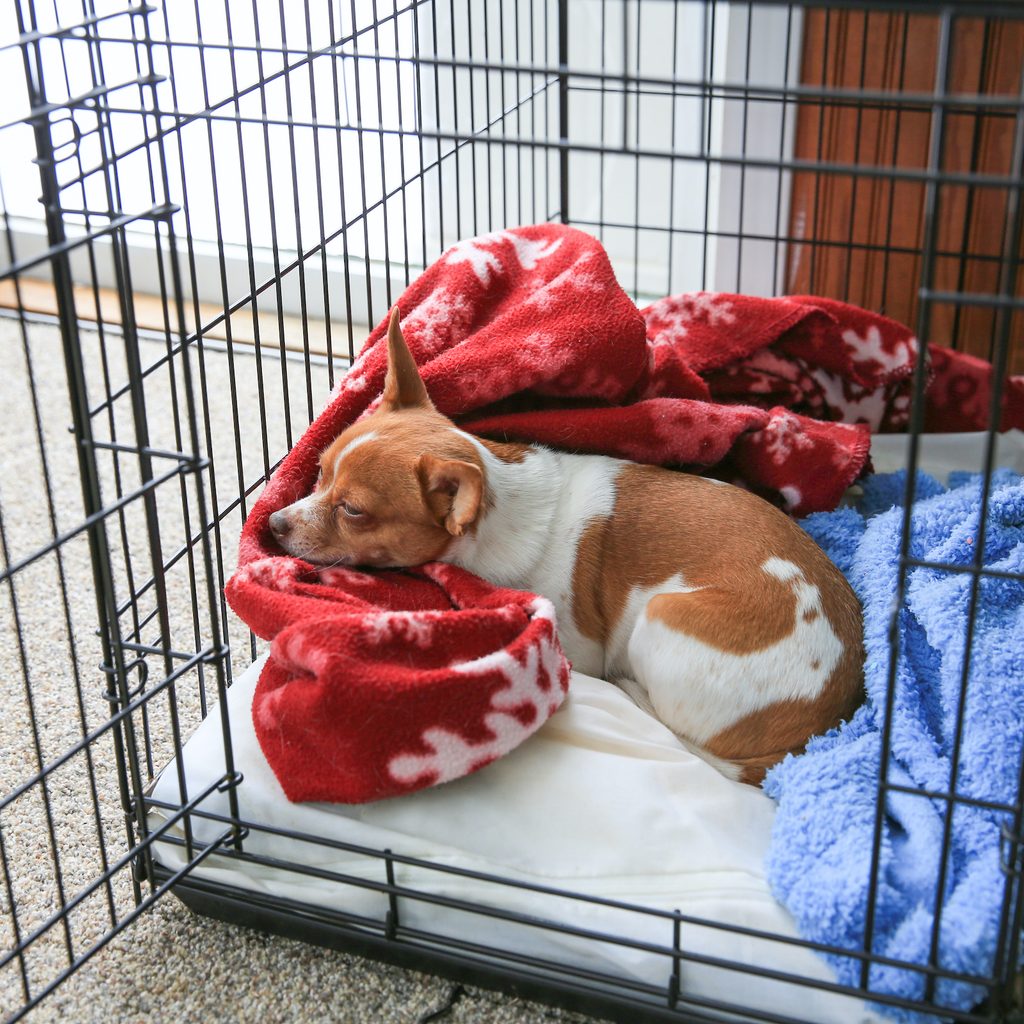
When you crate train a dog, you teach him to associate his crate with safety and security. The hope is that the crate becomes the place to go when your pup feels overwhelmed or sleepy. A lot of owners who crate-train want their dog to sleep there at night, while others do so to reinforce potty training — or just for safety reasons. Sometimes you may need to take your dog with you in the car, and a crate will keep him confined and comfortable, which benefits you both.
Whatever the reason you’re considering crate training, it’s important to look at the whole picture before jumping into a big change like this. Crate training requires dedication and patience from you as well, so make sure you’re committed to the practice — and the upkeep — of this new behavior.

Crate training pros and cons: Size, training, and more
Before deciding if crate training is the right choice for your fur baby, you’ll want to know what exactly you’re getting into. Many owners love the control and calm that crate training encourages, while others prefer a different approach– it’s up to you! Here, we’ll go over crate training 101: The pros, the cons, and the alternatives.
Pros to crate training your dog
Once your dog feels safe in his crate and begins to consider it his den, he’ll have a safe space to go whenever he isn’t feeling his best–or when he needs a rest. You can also send him to his crate when he might get in the way — if you’re making dinner or when the plumber comes over, for example. Or, if your dog isn’t the most social, he may choose his crate over guests or loud noises.
Crate training can even help you house-train your pup. Dogs’ natural instinct is not to relieve themselves in their own space, which is why you won’t often see a dog soiling their crate when it’s the right size. According to Preventative Vet, a crate should be just large enough for him to stand up and turn around in but not big enough where he may feel he has room to defecate in one corner and sleep in the other.
By keeping your pup inside the house and in his crate while you’re out and about, you’ll limit any opportunities he has to be destructive. Puppies especially need an outlet for wild behavior, so crate-training them young will help keep the damage to a minimum while helping them learn patience and bladder control.
As the crate becomes an integral piece of your dog’s comfort, it will help him stay included while keeping him calm and safe. If you need to travel, for example, your furry friend can come, too! Keeping him crated will help ensure he doesn’t get hurt in the car, and he’ll probably feel even more secure in his crate than you do in your seat belt.
Cons to crate training your dog
If the crate is too small for your dog, it can have disastrous effects on both his physical and mental health. Not having enough room to stand and stretch can lead to limb stress and sores, among other things. Regardless of crate size, being confined in a close space for too long can create more negative behaviors rather than discourage them. You wouldn’t like being kept in a cage all day, would you?
There also are a lot of precautions to take when crating your dog. The structure must be put together properly, or else your pup could get hurt should it collapse. You should also be careful with collars or leashes near the bars of metal crates, as tags can get stuck, trapping and frightening your dog. And crate training may not be a good idea for pups with special and medical needs.
Alternatives to crate training your dog: fences, playpens, and day care
If crate training isn’t the right option for your home, no worries! There are other ways to keep rambunctious dogs controlled and safe, though preference varies, of course, from dog to dog.
Setting up baby gates to fence off parts of your house or yard can be an easy alternative, especially if you already have baby gates lying around. It’s not the same as a den, but a comfy bed and the run of a whole room can be just as comforting. A smaller but similar option is a playpen, though this might be tricky for larger dogs. If you don’t have a fenced-off yard for your pup to play in, doggy day cares are a fun, albeit pricey, alternative as well.
Crate training is an awesome way to encourage housebreaking and comfort while limiting the options your pet has to get into trouble around the house. It can give you some freedom (and peace of mind!) to leave your pup unsupervised for a while, knowing he’s safe and sound in his cozy crate.