Every dog ages in a different way. Type of breed and other factors play a large role in how quickly your pup ages, but there are commonalities in all dogs to show that your best friend is getting old. Being prepared for the old age signs will help you take care of your dog as they live out their later years.
Weight gain
You may have noticed that a lot of dogs get a little chunky as they get older. This can be due to a variety of reasons like:
- Less exercise, same amount of food. If you start noticing that your dog is reluctant to go on walks or engage in vigorous play, then it may be time to adjust their diet. If you are unsure about the right proportions for your dog, you can consult your veterinarian for the best advice.
- Slowed metabolism. Many old dogs experience a slow metabolism. There is nothing that can be done to improve this or treat medically, so the best option is to give your dog smaller portions. A slower metabolism is nothing to worry about, it is just something you need to accommodate.
- Medical condition. If your dog starts gaining more and more weight as they get older, it is important to have them checked by the vet to ensure there are no medical conditions causing it. A common culprit for weight gain can be a thyroid issue, which is treatable with the right medicine.
Loss of senses
The senses of smell, hearing, and sight commonly worsen as a dog gets older. It is important to notice the key signs with each sense because some are treatable. While other conditions are not treatable, you can still work with your pup to make them as comfortable as possible.
Loss or reduction of eyesight is very common in old dogs, so it is important to look out for:
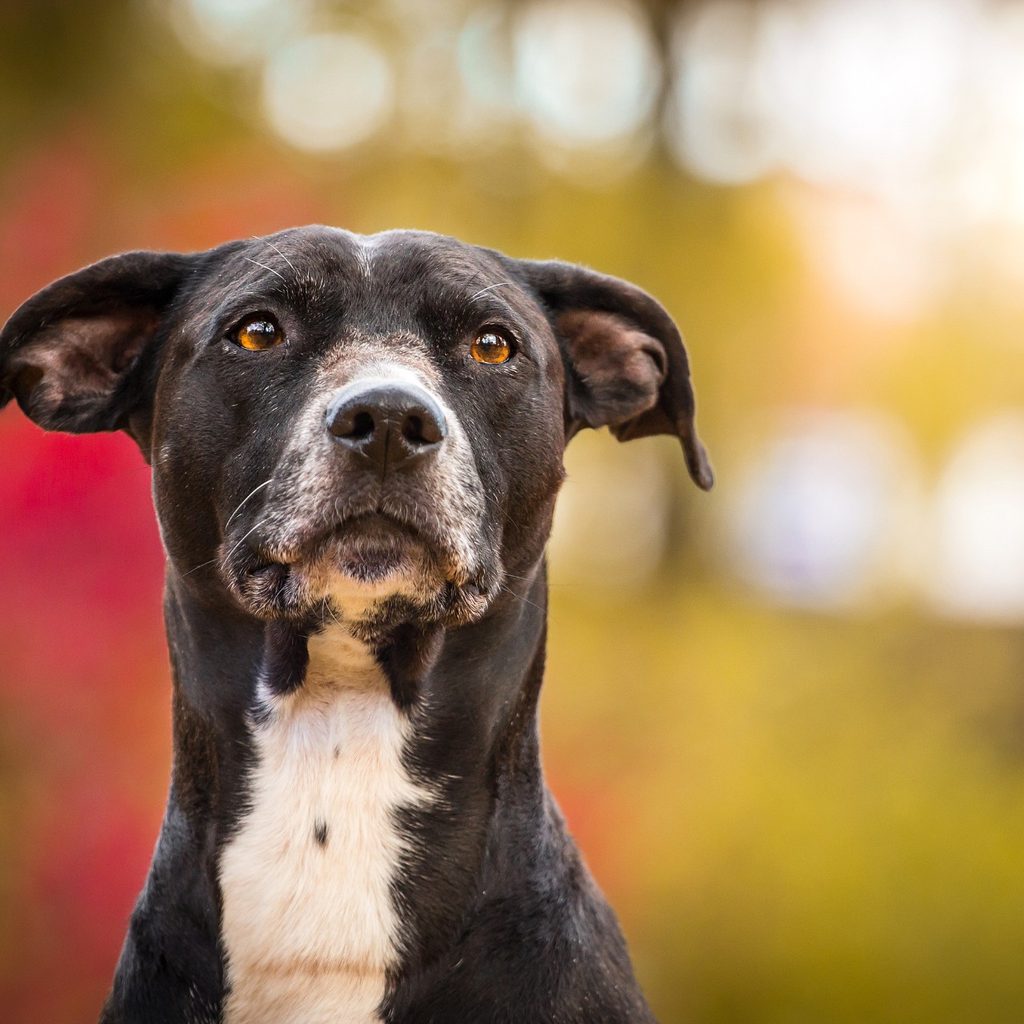
- Cloudy eyes. While cloudy eyes do not always indicate that your dog is blind, it can mean that your dog may have cataracts or another eye condition. It is important to get your pup’s cloudy eyes looked at by a vet to figure out the best steps toward recovery.
- Clumsiness. If you notice that your dog suddenly starts bumping into things, they may be losing their eyesight. There are a lot of great ways to make your dog more comfortable in your home as they go blind. You can find some neat inventions like a blind dog halo on different websites. This is a lightweight tubing that creates a halo-like design around your dog’s head so they don’t hurt themselves when bumping into things. It is also important to refrain from rearranging any furniture since your dog will likely learn the layout of the home.
Incontinence
Potty accidents are something that become increasingly common in old dogs. As dogs age, it becomes much more difficult for them to control their bladders. It is important to understand that your dog simply cannot hold their bladder anymore and they should not be punished if they pee in the house. Incontinence in older dogs is simply part of aging.
This may mean you need to let them outside more frequently to do their business. The best way to reduce potty accidents is to buy your pup a diaper. There are a lot of great pet diapers on the market, so you can find the perfect size and design for your furry friend. They are designed to be comfy for all-day wear and will help keep your home clean during this phase of your pet’s life.
Bad breath
The teeth and gums of your dog can start to decay as they get older, resulting in bad breath. Other symptoms and signs of this decay include swelling of the gums and loss of appetite. If you notice these signs in your old dog, it is important to visit your veterinarian to solve the issue and make your dog as comfortable as possible.
Some ways to keep your dog’s teeth clean regularly are with dental chew sticks or regular brushing.
Moving slowly
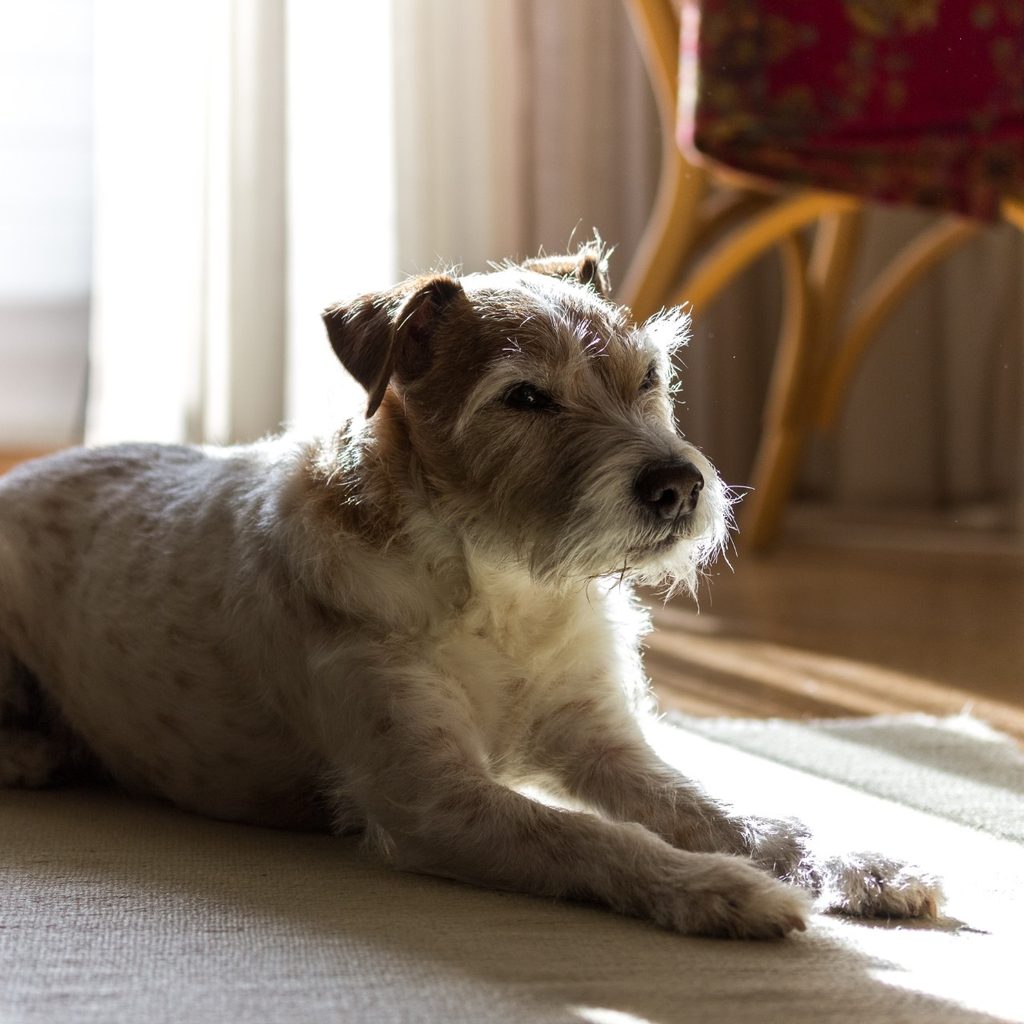
Just as it does in humans, old age tends to make dogs slow down a bit. Your dog may take longer to get up, walk slower, eat slower, and more. Even though your old best friend is not as energetic as they used to be, it is important to still play with them, walk them, and, of course, love them.
With any sign of slowness, it is always important to consult with your veterinarian. If your dog’s slowness is caused by joint or muscle pain, your vet can help alleviate any discomfort for your furry friend.
Some ways to keep your old dog entertained and moving include:
- Short walks.
- Gentle swimming.
- Hide-and-treat: Hide a treat around your home for your dog to sniff out.
- Get your dog some puzzle toys to keep their mind sharp.
- Short-distance fetch.
While it can be difficult to see your favorite buddy get old, it is important to be aware of the signs. Recognizing their old age will help you better their quality of life. It’s important for you to make adjustments to accommodate for the changes their body is going through. Even though you can’t control their aging process, you can be their best friend through it and provide them the love and care they deserve.