As many areas brace for storm season, pet parents both dread and prep for their fur babies’ inevitable thunder anxiety. According to the Veterinary Specialists of the Rockies, up to 40% of dogs suffer from some degree of noise-induced stress, though we can hardly blame them. Storms can be overwhelming!
Luckily, you don’t just have to wait it out; there’s a lot you can do to keep dogs calm during thunderstorms. You may have heard about the canine calming anxiety vests often used for noise anxiety, but this is just one way of keeping your pup chill and distracted while a storm rages outside. Here are our favorite techniques, tips, and tricks:
1. Use white noise to distract them
In some cases, distractions are more than enough to take the edge off your dog’s anxiety. White noise — whether through TV background noise or an actual white-noise machine — can mask the sounds of thunder (though be sure your sounds aren’t too loud).
Music with a beat is another fantastic idea (via VCA Hospitals). The bass and drumbeats sound like thunder — minus the excruciating volume, of course. Not only does this help hide the real storm sounds, but it also may help desensitize your dog to thunderous sounds moving forward.

2. Create a safe space for your dog
No matter what’s stressing them out, giving your four-legged friend a secure place to call their own can reduce a lot of their anxiety. Dogs are den creatures, so an enclosed space like a crate with a blanket over it can be all you need for their perfect hidey-hole.
Of course, a few cozy and comfy items will give their space a reassuring, personal touch. If your pup doesn’t have a blanket they prefer, give them one of yours for the duration of the storm; your scent will be familiar and comforting for your furry companion. Toys, bones, and treats are all great ideas to make a safe space feel inviting and exciting to a dog, but don’t worry if your buddy doesn’t take to their den immediately.
3. Stay calm and stay with your dog
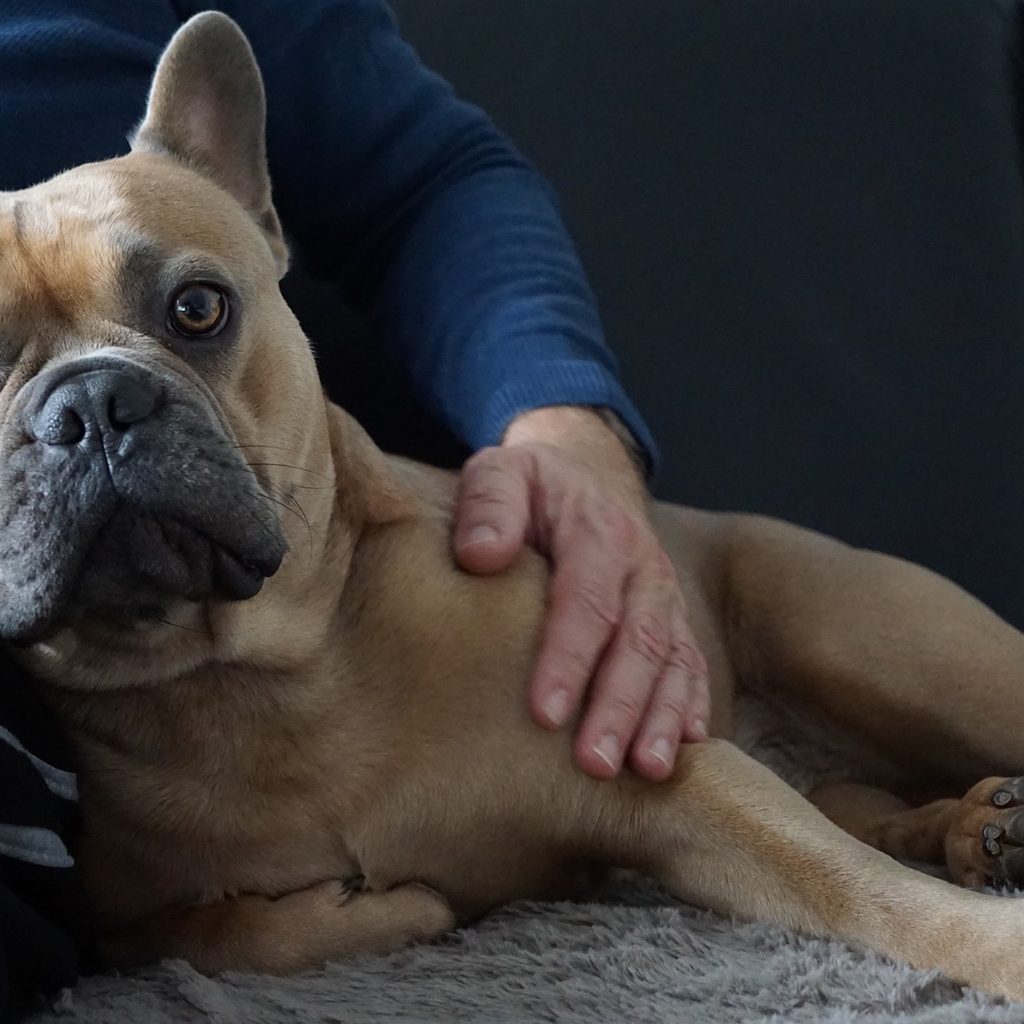
Dogs are pack creatures, and although they can withstand some time alone while you’re out, it’s much less stressful for them to spend a thunderstorm by your side. Having you around also gives your fur baby more chances for distraction and affection — two effective anxiety relievers.
In extreme cases, a dog can be so frightened by thunder and lightning that they escape their crate or even their home. This is just another reason to stay with them throughout the storm, though not a reason to stay anxious yourself.
When you’re with your stressed-out pooch, it’s important that you keep calm. Your dog is learning from you, after all. If you’re panicked, they’re sure to panic, too. A confident canine companion can be enough to make an anxious dog feel reassured, so this buddy shouldn’t be at all fazed by loud sounds. Two stressed pups won’t be fun!
4. Don’t reassure fearful behavior
One well-meaning but significant mistake that many pet parents make is comforting their anxious dog. Of course, we want our fur baby to feel better! But by coming to their rescue when they whine, scratch, or jump, we let them know that those behaviors succeed in getting comfort. This makes them more likely to do it again!
This isn’t to say you shouldn’t comfort your pet when they’re stressed out; you just shouldn’t do it in response to an action you don’t want them repeating. While they’re still crying or jumping, it’s OK to talk to them positively and casually but don’t give in to comfort or baby talk. When they’re done whining, call them to you and pick them up (or whatever comfort you’re willing to give) on your terms, not theirs.
5. Engage your pet in another activity
Although this is easier said than done, distracting your dog can sometimes get their mind off their fears. Try an extra-special treat — something they get only once in a blue moon — or a brand-new toy to keep them engaged. Play with them, too, since they’re less likely to get bored when they’re not the only ones playing.
6. Try desensitization therapy
If thunderstorms are common where you live, it might benefit both you and your pup to give desensitization a shot. This strategy will have you slowly introducing your dog to thunder sounds on some kind of CD or video. At first, the volume will be incredibly low, but you’ll increase it over time as your dog becomes more confident. If your pup shows any sign of anxiety at all, it’s probably best to take a break and decrease the noise a little next time.
However you decide to approach thunderstorms, you and your dog have some work to do. It’ll take some time and patience from you both. In the end, though, you’ll be so glad you did it. Neither you nor your pup will have to worry when the forecaster says there’s a storm coming in because you both know that you’ll be just fine.