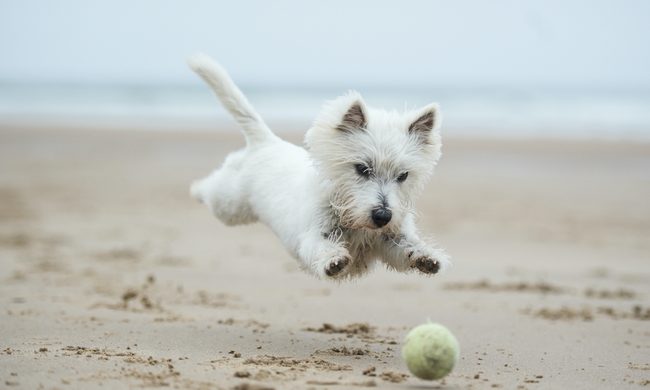
With so much spunk in such a small body, Havanese training might seem like a challenge at first. By understanding the way these dogs think, though, pet parents can use the most encouraging and effective training techniques to teach their furry friends. Because these dogs tend to get so attached to their owners, positive reinforcement and other simple approaches can go a long way.
With these Havanese dog-training tips, you and your pup will be well on your way to a better understanding of each other. This will make training oh-so-much-easier, and even fun, for both of you. Here’s what you need to know before you get started training your Havanese:
1. Always use positive reinforcement
Although this is a great rule of thumb for training nearly any dog, positive reinforcement is particularly effective with the Havanese breed. According to the American Kennel Club, these pups were bred for companionship and need a lot of socialization and stimulation to stay happy and healthy.
Because of this, Havanese are especially responsive to rewards. Food is the most popular training treat for dogs, but your Havanese might be just as happy — if not happier — being offered praise or playtime as a reward. Don’t be afraid to try out a few different types of treats and rewards at first to find out what your pup likes best. Every dog is different!
You should also use positive reinforcement with your Havanese because these dogs are highly emotionally sensitive (via Hills Pet). Harsh treatment or punishment can make your pup afraid to fail — and therefore afraid to try — again, which can make training virtually impossible.
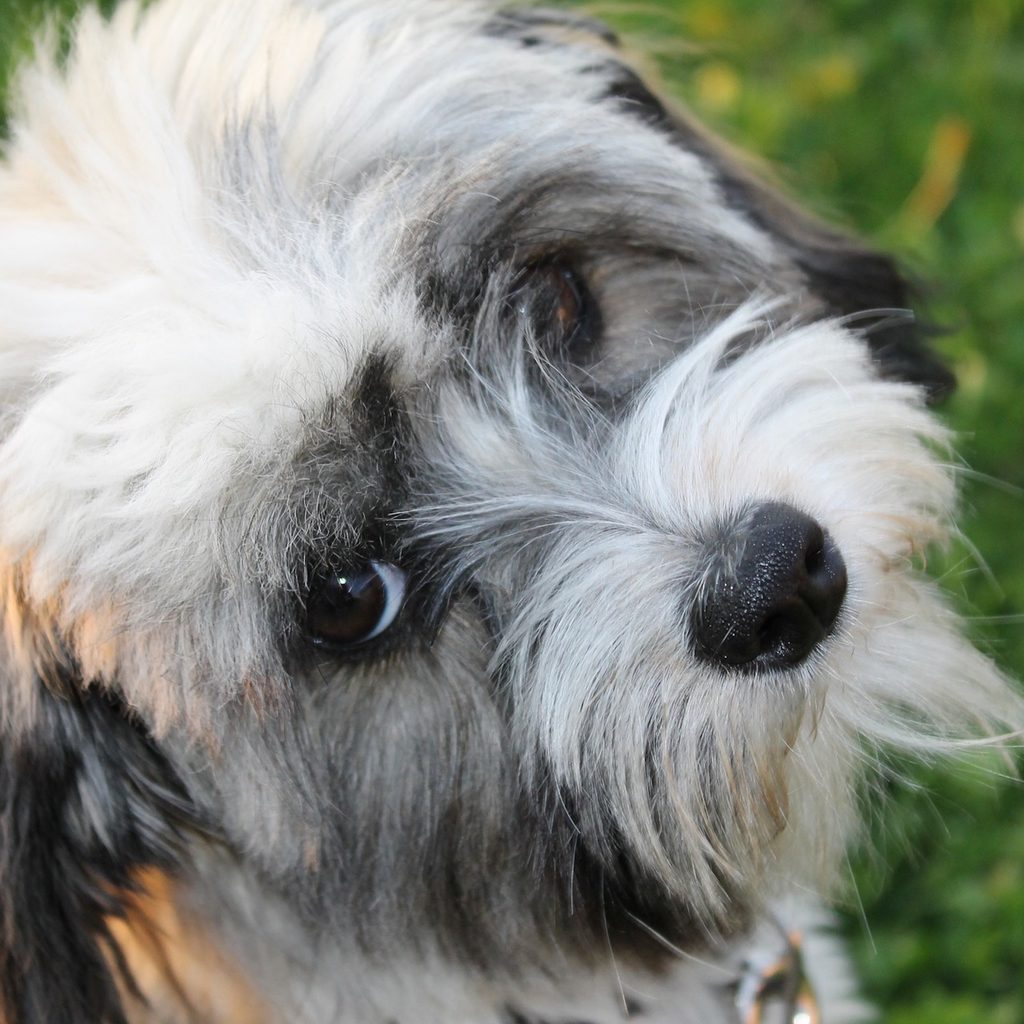
2. Be calm with your energetic dog
Because Havanese pups are so sensitive, it’s important to approach training and obedience with patience and calmness. Your dog is likely to mimic the energy you bring to your training sessions, so this can be a great way to combat excess energy as well.
Alternatively, if you get overly excited during training, your dog will, too. This will only make it more distracting, so it’s best to avoid this altogether. Instead, offer happy yet gentle praise to keep your Havanese feeling confident and ready to try again.
Staying calm during unwanted behaviors is equally important, as sensitive pups are often easily discouraged. The easiest way to show your pup what exactly you’re looking for is to either ignore incorrect behaviors or offer a calm yet clear “no.” Make sure to reward only the specific action you’re trying to achieve and do it instantly so your pup can make the connection between the behavior and reward.
3. Whatever you do, start small
It’s important to help any dog build confidence around training, though affectionate, sensitive breeds like the Havanese will require extra care when planning out baby steps. You shouldn’t add any more steps to your training commands until your dog is a master at the current step, or you risk getting her frustrated and discouraged.
This is especially important when you first start training, as your dog may not be sure what you’re asking of her. Start with five-minute-long sessions that end in playtime or pets — something to keep her looking forward to tomorrow’s training session. You can slowly increase the length or frequency of your work but make sure to dial it back if your dog seems frustrated in the slightest bit.
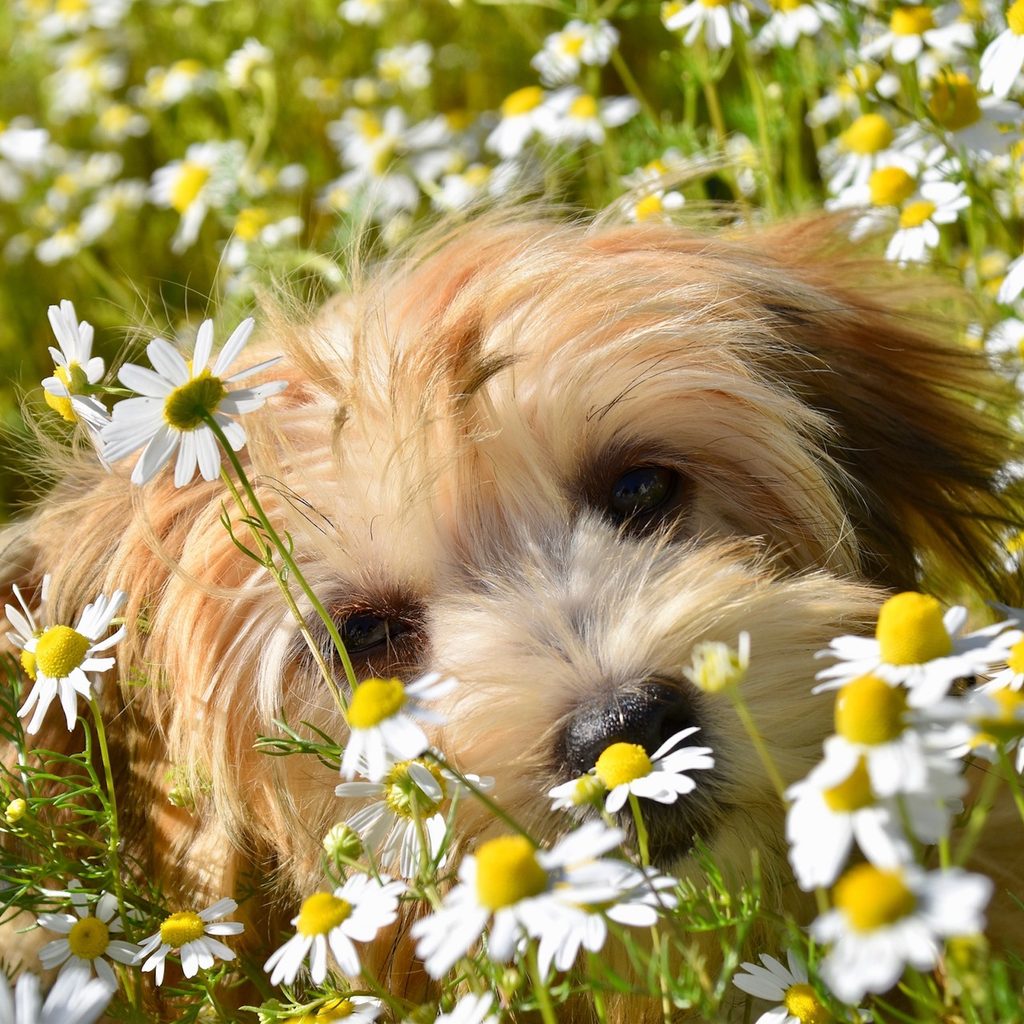
4. Offer affection as a reward
People-loving pups like this breed are likely to respond just as well to affection and praise as they would to food or toys. This is great news for Havanese owners — it means their pups can be exceptionally easy to train!
That being said, they can also be tricky to train if you haven’t totally bonded with your furry friend yet. Maybe you just brought home a new rescue, or you’re a proud foster parent — don’t fret! If you can focus on bonding with your pet before moving on to training, you definitely should. Sticking to a consistent routine and doing simple activities with your pet (hand-feeding, playtime, going for walks) can go a long way in building trust and making future training even easier.
Now that you know all the essentials for training a Havanese, you can get started working on obedience and even tricks with your own dog. It doesn’t take a lot of time every day to begin a regular training regimen, so there’s nothing stopping you from getting started right away. What are you waiting for? Go bond with your pup!