
From dog food to pet toys to functional, fun apparel, some pet parents are finding ways to improve and personalize items for their furry family members by creating these items themselves. It isn’t always about saving money. Do-it-yourself (DIY) is often a matter of preference. Whether it’s a commitment to living healthier or the sheer enjoyment of making something by hand, homemade has become a popular trend.
That is especially true as pet parents look for natural, more holistic ways to feed and care for their pets — like those wanting to protect their dogs from fleas and ticks with more natural ingredients.
About fleas
Fleas are tiny parasites that survive by biting and drinking the blood from warm-blooded mammals, like dogs and humans. The saliva in their bite is toxic and one of the leading causes of pet dermatitis in dogs. Fleas multiply quickly — one female can lay as many as 40 eggs a day — which makes infestation quick and problematic.
Because these parasites hop on and off your dog, carpets, bedding, and other soft surfaces are prime breeding places. Getting rid of them is a difficult and costly process.
Although it’s the saliva in flea bites that makes most dogs itch, many are allergic to their bites. Fleas can also carry diseases, like tapeworm and typhus, which makes protecting your pet from these parasites even more important. That’s why many dog owners purchase flea collars.
About traditional flea collars
Flea collars come in two types: One releases a chemical into the fatty layer of your dog’s skin and spreads throughout his body, killing the flea when he bites your dog. The other emits a chemical that kills fleas on contact before they have a chance to bite your dog. The collars come in different sizes and strengths to adequately protect each dog, depending on his size and weight. The protection they give can last for up to eight months, depending upon the manufacturer.
Common ingredients in flea collars include:
- Amitraz and flumethrin, which repel parasites
- Deltamethrin and pyriproxyfen, pesticides that inhibit the hatching of flea eggs
- Propoxur, imidacloprid, and organophosphates, which affect the nervous system of fleas and ticks
The ingredients are inserted into a flexible plastic collar and vary in strength according to your dog’s size, weight, and age. While the chemicals are lethal to fleas, they can also be toxic to dogs when applied incorrectly. Manufacturers recommend adults wash their hands after handling flea collars and that kids not handle them at all.
Tips for making your own flea collar
The harshness of the chemicals found in traditional flea collars is one of the reasons DIY pet owners prefer making their own using more natural and less harmful ingredients. Here are some tips for making your own flea collar.
Choose your repellent
There are several natural plants and oils that effectively repel fleas and ticks:
- Eucalyptus
- Lavender
- Clove
- Citrus
- Citronella
- Peppermint
- Cedar
These ingredients are commonly used in dog bedding, candles, and plantings around the perimeter of the home and in the garden. When mixed carefully, the oils of these plants can also be applied to your dog’s collar for him to wear. The natural repellent you choose can be based on personal preference as well as how your dog tolerates the smell.
Choose your delivery method
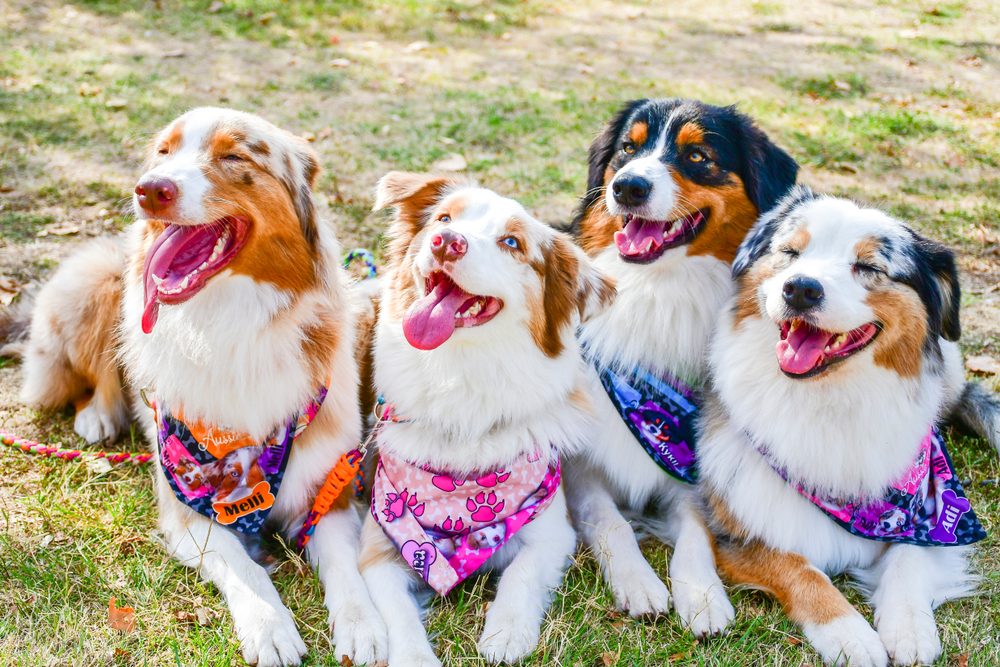
Most DIY flea collars are simply fabric collars or bandanas soaked in a mixture of plant-based oils and water. If you don’t want to soak your dog’s collar in the solution you make, use a bandana or other suitable piece of apparel that can be worn in addition to your pet’s collar. These fabric collars can be removed and washed as needed, although remember that you’ll have to reapply the solution often.
Find a recipe
Once you know which natural repellent you want to use and how your dog will wear it, do some research to see how to correctly mix the ingredients and apply them appropriately to the collar of your choice.
For example, one recipe we found calls for:
1 tablespoon witch hazel
2 drops each of the following essential oils: lavender, cedarwood, thyme, and tea tree
1 teaspoon garlic oil
Once the ingredients are mixed together, the collar or bandana is immersed until completely soaked, then left to dry overnight.
Consult your veterinarian
Before you create the collar, check in with your dog’s veterinarian. Ask if she has any hesitation, based on your dog’s medical history, about your plans. Let her know what ingredients you plan to use and keep her informed of your dog’s reaction once he begins wearing the homemade flea collar.
Be vigilant
The beauty of making your dog’s flea collar is that you know exactly what ingredients it contains and can regulate its intensity and effectiveness. Keep in mind that any substance can be detrimental to your dog’s health if it’s used incorrectly or if your dog happens to be allergic. In other words, just because something is natural doesn’t mean it should be used without caution. If your dog shows any signs of illness or allergic reaction to the collar, discontinue its use immediately and consult your veterinarian.
With a little research, some DIY know-how, and pet parent vigilance, fleas and ticks will be the last thing you or your dog has to worry about.