When you think of sap, you might picture the good things that come of it, like maple syrup. But this sticky substance can have a bad impact on your pet, and you’ll need to be the one to take care of it. Sap can get all over your pet in summer, leading to matted fur or even an allergic reaction. If you find your buddy covered in tree extract, you’ll have to give them an extra thorough bath, plus a few more steps. Here’s how to get sap out of dog fur and paws.
What is sap?
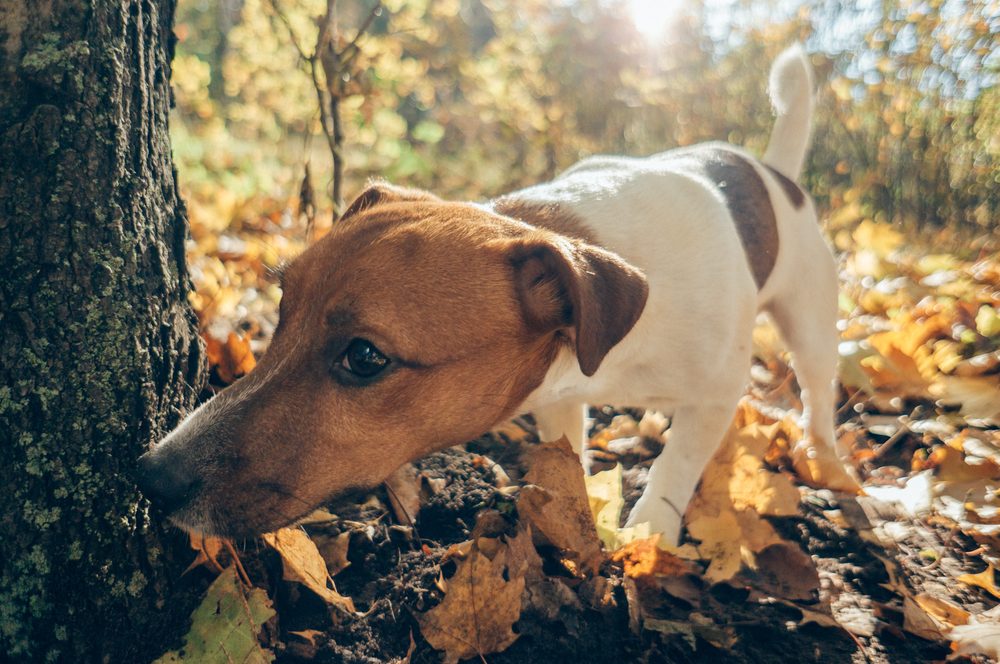
Sap is often called the blood of a tree because it’s what allows nutrients to flow between the roots and the branches. Some trees commonly get sap on the outside, like pine, and stay pretty sticky year round. For others, the gummy problem will only occur in spring and summer and mostly stops when the weather cools. Humans have used this substance for everything from medicine to jewelry to glue. When it comes to our beloved pets, though, it’s certainly best if these two don’t mix.
Why is sap a problem for dogs?
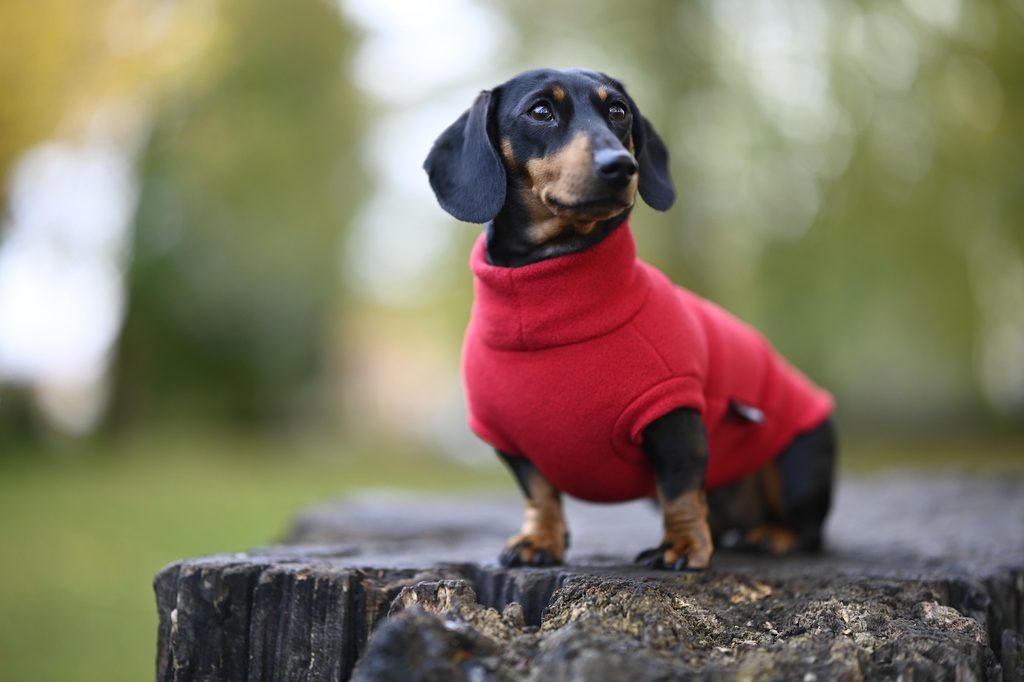
A few trees are toxic and their sap can cause a skin reaction or worse if ingested. Those include pine and oak, though sycamore can also cause irritation to the skin. Most will not have any extreme effect on your pup but will hurt their little paws or clump up their fur.
Your dog’s feet are especially sensitive since sap can get in between their paw pads and get stuck there. When you discover that your pooch has come into contact with a tree, you should look at their feet carefully. A sudden limp could also mean that sap is lurking there in their little toes.
How to get rid of sap?
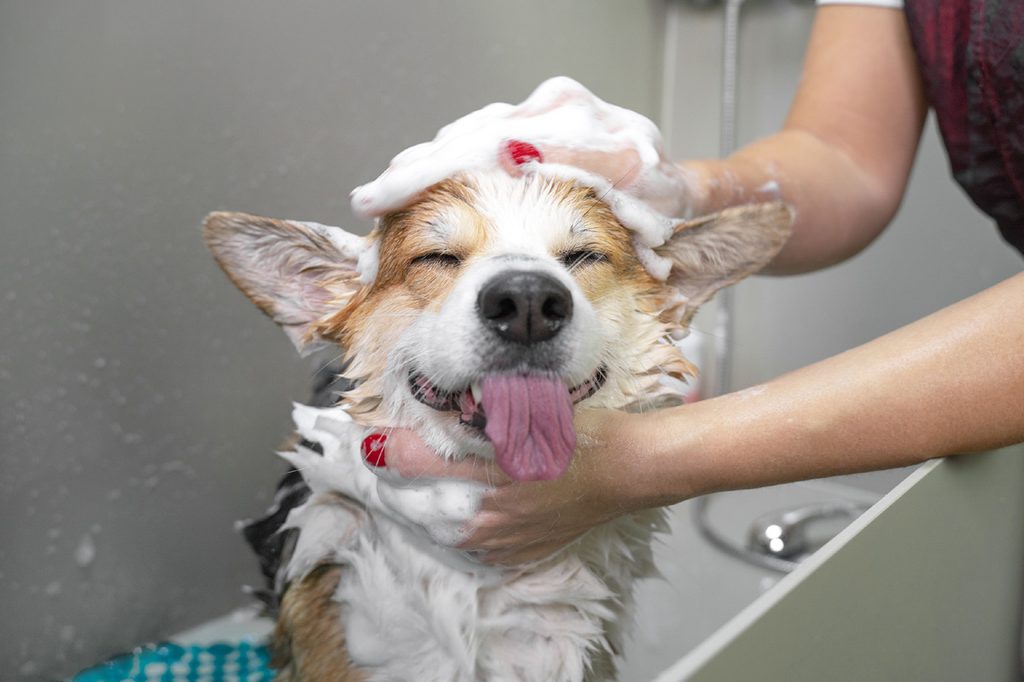
This may vary depending on exactly what tree you’re dealing with, but the gist remains the same. You will only need a few things, including a hair dryer, vegetable oil, a dog brush, and pet-safe shampoo.
Soften the sap
If the sap has hardened, you will have to get it soft again to properly remove all of it. Otherwise, it can be difficult to get this out without cutting your pet’s fur. Luckily, you probably have a handy device already lying around — your hair dryer! You may want to use the cool setting and should always test the air on your hand first to ensure it’s not too hot. Your pup pup will likely enjoy the spa day though.
Use oil to loosen
Vegetable oil, olive oil, coconut oil, or peanut butter works here (but check for xylitol first, which is poisonous to dogs). While you don’t really want your pet to lick it off, they’ll likely try a little bit. Rub your product of choice into his fur and make sure you cover all affected areas. Then, wait a bit so it has a chance to work itself in.
Brush the fur
Grab your dog brush and start to carefully comb through. You don’t want to snag and hurt them so take it slow. Liberally apply more oil as needed and wipe the residue while you go. It might take a few tries of the brush mixed with oil to remove all the sap that has latched on.
Treat the paws
Figuring out how to get sap off dog paws will be the biggest challenge. We’ll be honest — you may decide to take your dog to a groomer to handle some of this. Sometimes, the sap is so bad that you have to trim some of the fur under the feet. It’s very important to avoid nicking the soft parts, though, as that will hurt and bleed. Otherwise, tackle the step the same way you did the rest of the body.
Give your pup a bath
Lastly, you want to get all the goop off with a nice bath. Grab your pup shampoo and give Fido a last once-over, including those feet. You want all the oil and any last bits of sap to get washed off. It’s best to use a towel to dry them quickly afterward, since being wet for long periods can make them get cold.
Sap can be treacherous for both you and your four-legged friend. It gets into the fur and stays stuck for until you carefully rub, wipe, and comb it out. Next time you see or feel this sticky nuisance on your animal, grab your tools and rid your bud’s fur of the tree residue. It seems like a difficult task, but you’ll figure it out in no time.