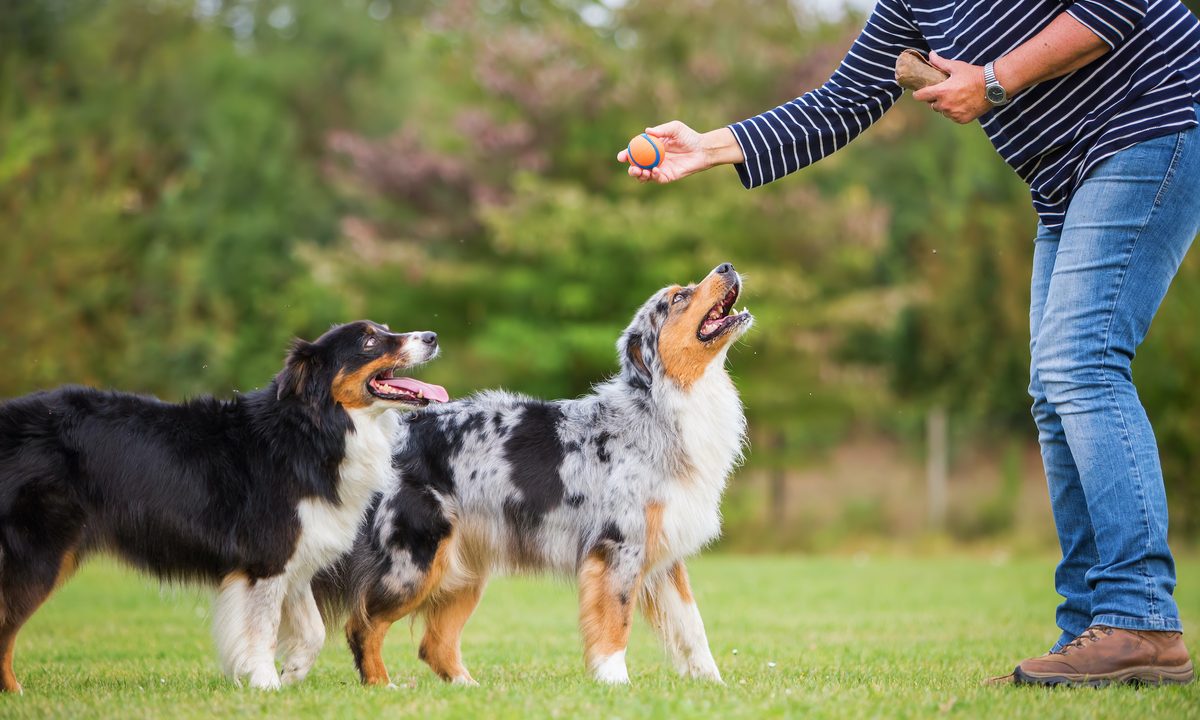
When you first bring home a pooch, you’ll find yourself overwhelmed by all the changes. Don’t worry; it does get better, but only if you dedicate yourself to training your new pet. You want to start with the basics and work your way up, since they’re not likely to figure out how to walk a tightrope before they even know how to sit. We’ll take you through how to train a dog, beginning with simple commands and working up to more complicated tasks.
The basics of dog training
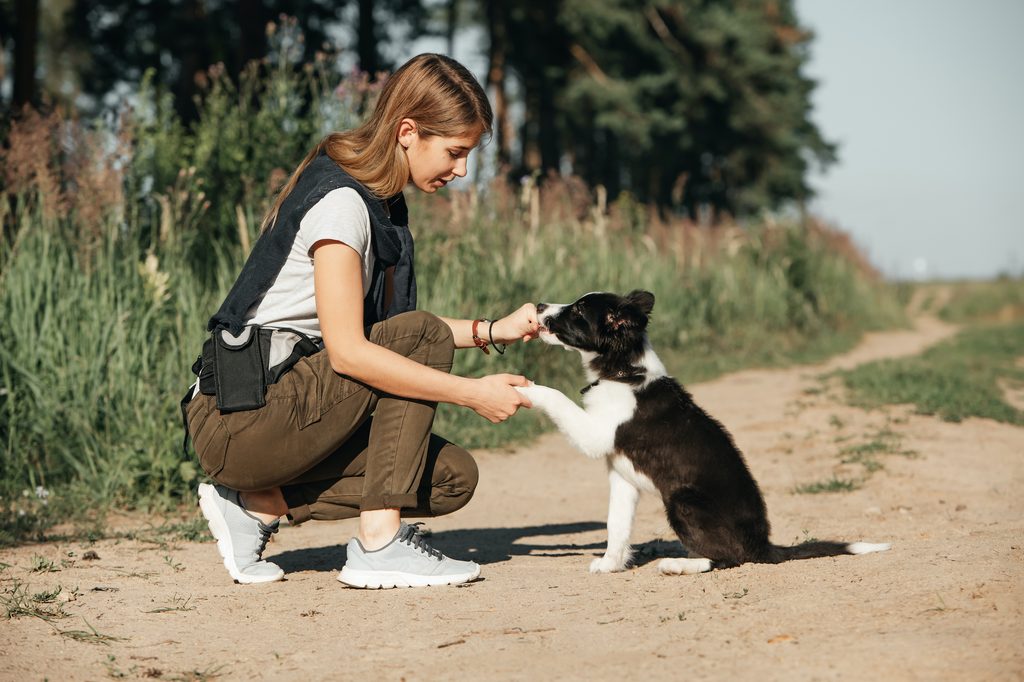
A lot of dog training is repetition, and the most important thing is to keep at it and reward your beastie.
Consider working with a professional
The good news is that you can train your dog all on your own, but as with most things, bringing a pro into the mix certainly makes things easier. You may decide to sign your pup up for a basic obedience class or work one on one with an expert in your home. This depends on your dog’s temperament and needs.
Use positive reinforcement
When your dog does something good, they should get a reward, which can be in the form of a treat or affection. Bad behavior must be redirected or ignored. That means every time your furry friend goes potty outdoors, you can give them a solid “good boy.”
Make training fun
You might get frustrated sometimes when your dog doesn’t listen or pick things up as quickly as you would like, but don’t let that show. It’s important to remain calm, as any stress you show will confuse your pup. Keep training sessions short, only five minutes for a young puppy.
How to house train and crate train your dog
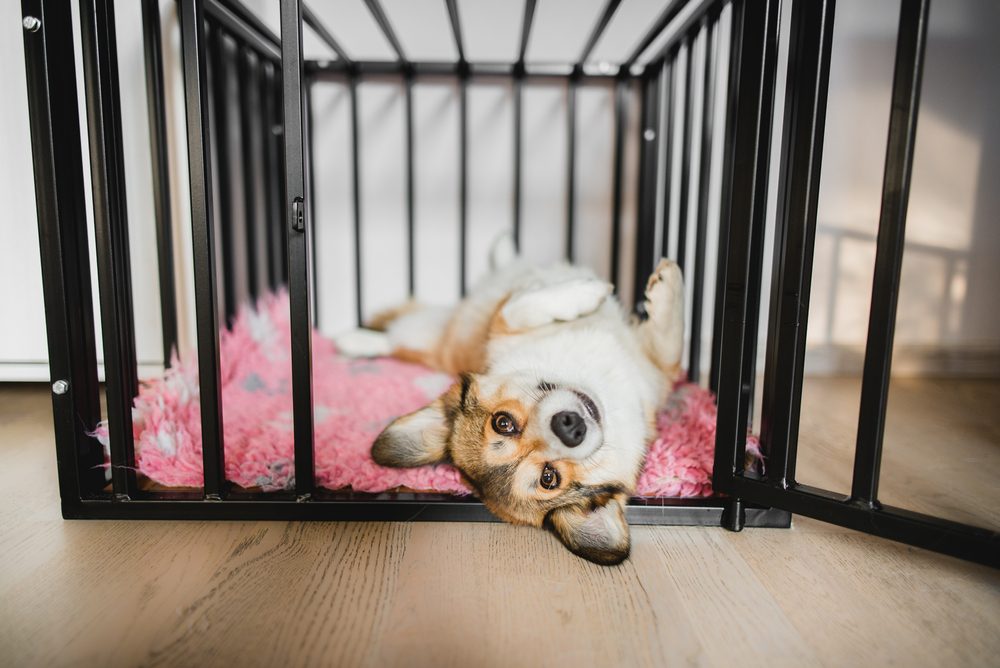
Your newest addition will need to learn to relieve themself outside or on a wee wee pad, and crate training can help facilitate that process.
Crate training
Many dogs find the crate to be soothing — don’t think of it as locking them up but as a special den they can call their own. It also helps the house-breaking process, as you can leave your pup pup in the crate when you go somewhere, and they’re unlikely to have an accident in there.
Potty training
It can sound insurmountable at first, but you’ll both get the hang of it eventually. Take your dog out consistently before you think they have to go, and watch for clues that they might be thinking about a bathroom break. You also want to clean any accidents well since they might return to the same spot if they can smell their own urine.
Teaching your dog the basic commands
While you have the house-breaking going, you want to start with a few general commands that will serve as building blocks for training.
Sit
It’s the classic for a reason. Your buddy should pick this one up fairly quickly, which will help boost their confidence — and yours. You don’t want to force their backside down. Instead, hold a treat close to their nose and move it back until they sit on his own. Then say, “sit,” and give them the treat immediately.
Come
More important than just about any other command, you need your little guy to come when you call them, every time. If you have a particularly wild bud, start with them on a leash and say, “come” with a treat in your hand. Usually, they’ll spring toward you in excitement of the treat. You can add their name in there if it helps. Then, work up to calling them in the house and yard before taking them to more distracting environments, like the dog park or local park.
Stay
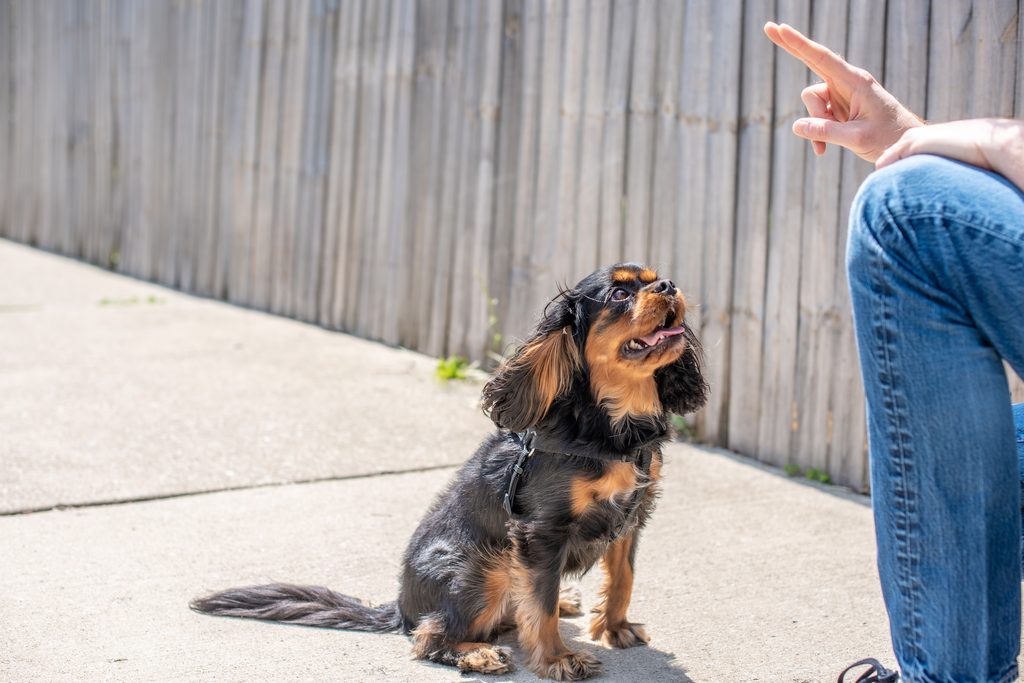
You’ll want this command if you ever need your dog to settle for a minute. Start by having them sit and then give them a “stay,” perhaps accompanied by a stop signal with your hand. Back away slowly to further distances to see if they got the hang of it. Reward every time they listen.
How to leash train a dog
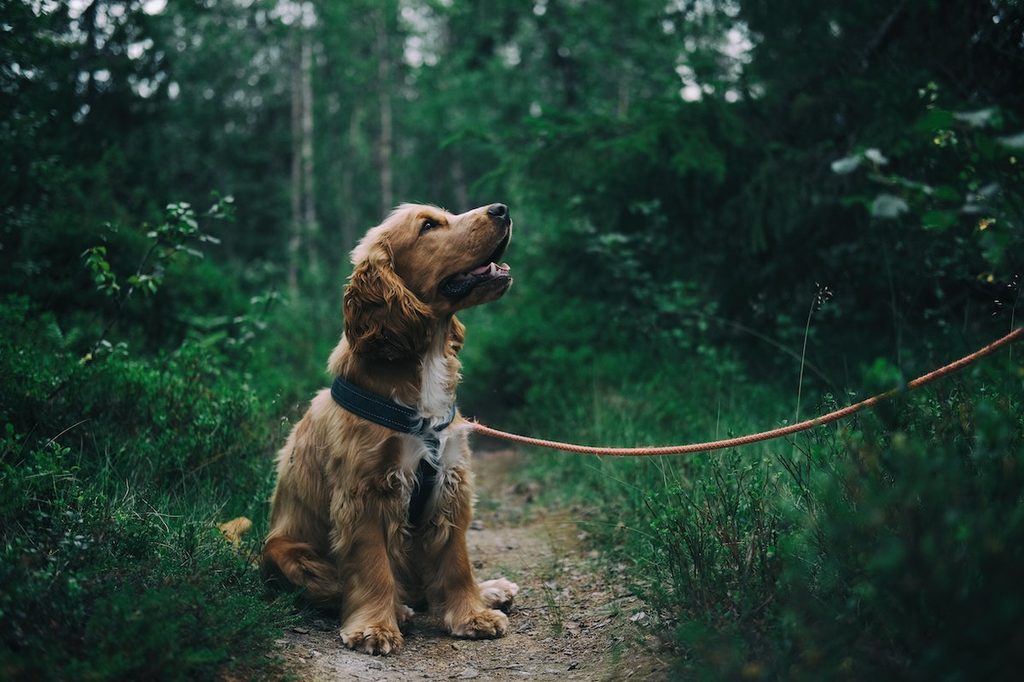
Almost all dogs walk on a leash sometimes, even, if they have a big yard to play in. Most dogs will do better with a harness rather than a collar since it won’t choke them if they pull a bit at first. Introduce your four-legger to the leash just by showing it to them and then clip it in on for a few minutes.
After they get used to the lead itself, start walking around the house, followed by the yard. Eventually, go on short walks in the neighborhood and use the same route so they don’t face additional distractions (mostly smells). You’ll quickly find yourself able to go on longer walks and runs together as they adjust to the leash.
At first, dog training seems overwhelming, but by breaking it into manageable pieces, neither of you will lose your way. Fido won’t get everything on the first try, and younger puppies will have a lot of difficulty staying focused at first. Stick with your positive reinforcement and shower your dog with praise every time they gets the hang of something, so they keep at it.